




Tesla entered 2025 promising rapid Robotaxi expansion and unsupervised autonomy, but deployments remained small and supervised. Limited fleets, slow scaling, and unmet FSD goals show how difficult full autonomy still is.

Nachricht
- Alle
- Acura
- Audi
- Autonomous Vehicles
- Battery Care & Range Anxiety
- Battery Tech
- BMW
- Buying Guide
- BYD
- Cadillac
- Charging
- Chevrolet
- China
- Climate
- Design
- Dodge
- Elon Musk
- Fiat
- Ford
- General Motors
- Honda
- Hyundai
- Industry Outlook
- Jaguar
- Jeep
- Kia
- Lexus
- Lotus
- Lucid Motors
- Mazda
- Mercedes-Benz
- Model Comparisons
- Monthly EV Lease Deals
- Monthly EV Recommendation
- Nio
- Nissan
- Polestar
- Policies & Incentives
- Porsche
- Pricing
- Ram
- Range
- Renault
- RIVIAN
- Sales
- Scout Motors
- Skoda
- Slate Truck
- Stellantis
- Subaru
- Tesla
- Toyota
- User Guide
- Volkswagen
- Volvo
- Xiaomi
- Xpeng
- Zeekr
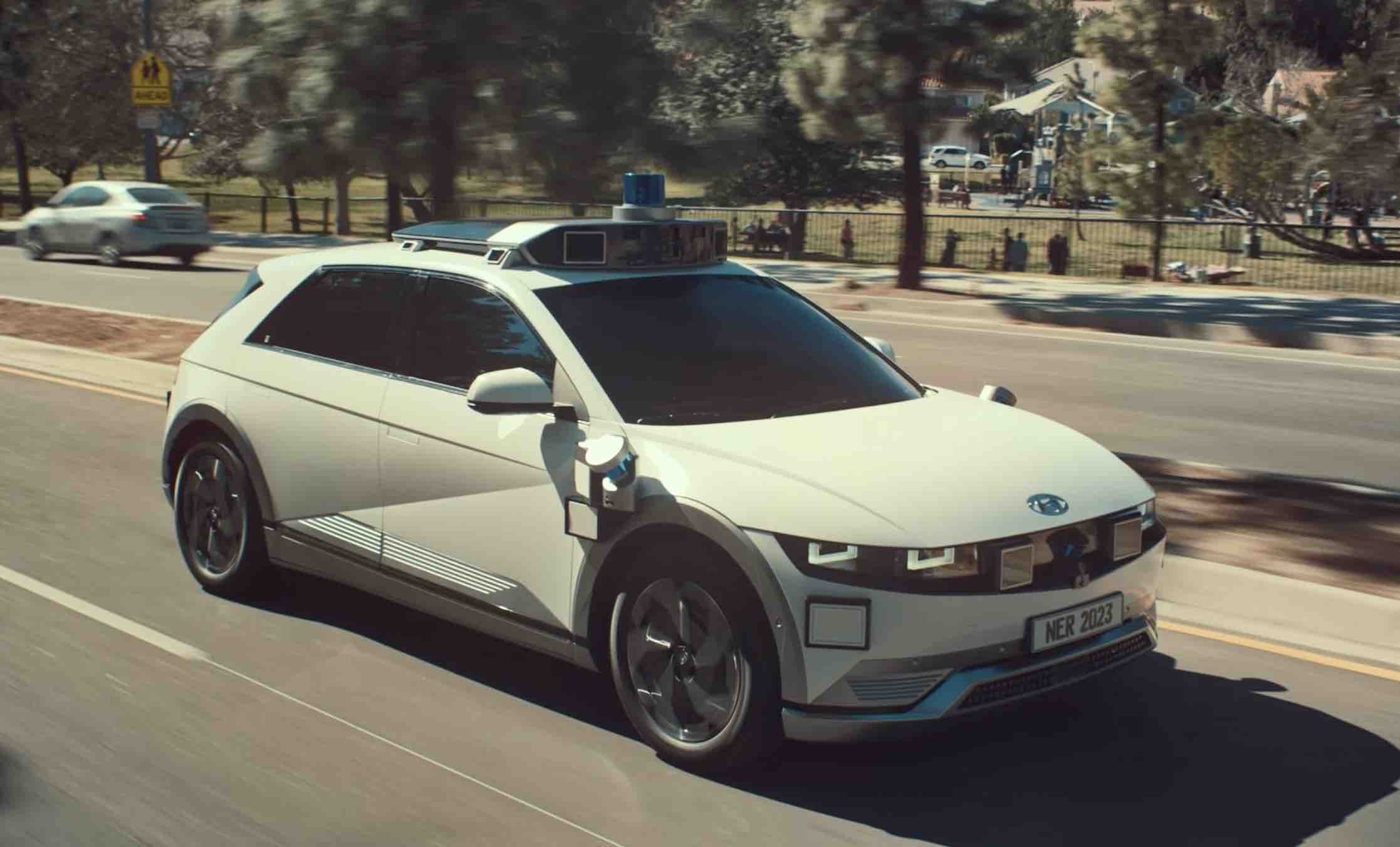
Hyundai Enters the Robotaxi Race With Motional and the Ioniq 5
Hyundai is entering the robotaxi market with Motional and the Ioniq 5, aiming for a cautious commercial launch in Las Vegas. Backed by AI advances and deep integration, the effort tests whether patience and scale can succeed where others failed.
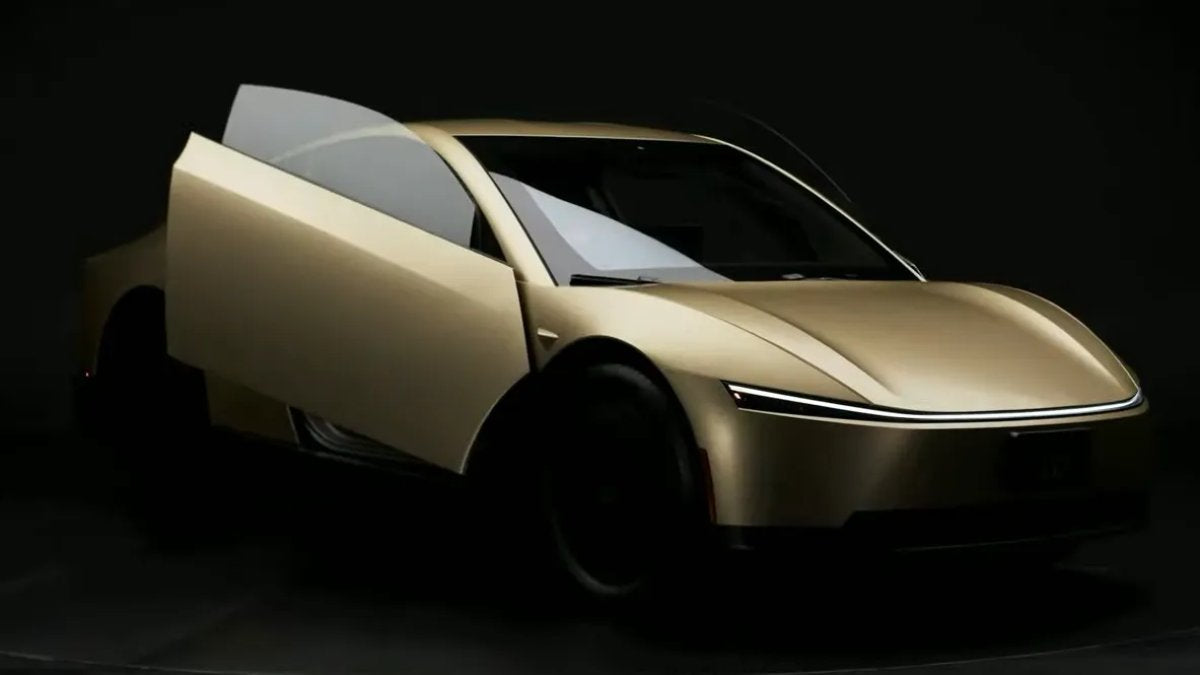
Tesla’s Cybercab Could Get Regulatory Boost From Congress
Tesla’s Cybercab aims to be a $30,000 fully autonomous ride-hailing vehicle. Congressional approval could raise production limits, but software, charging infrastructure, and branding challenges still remain.
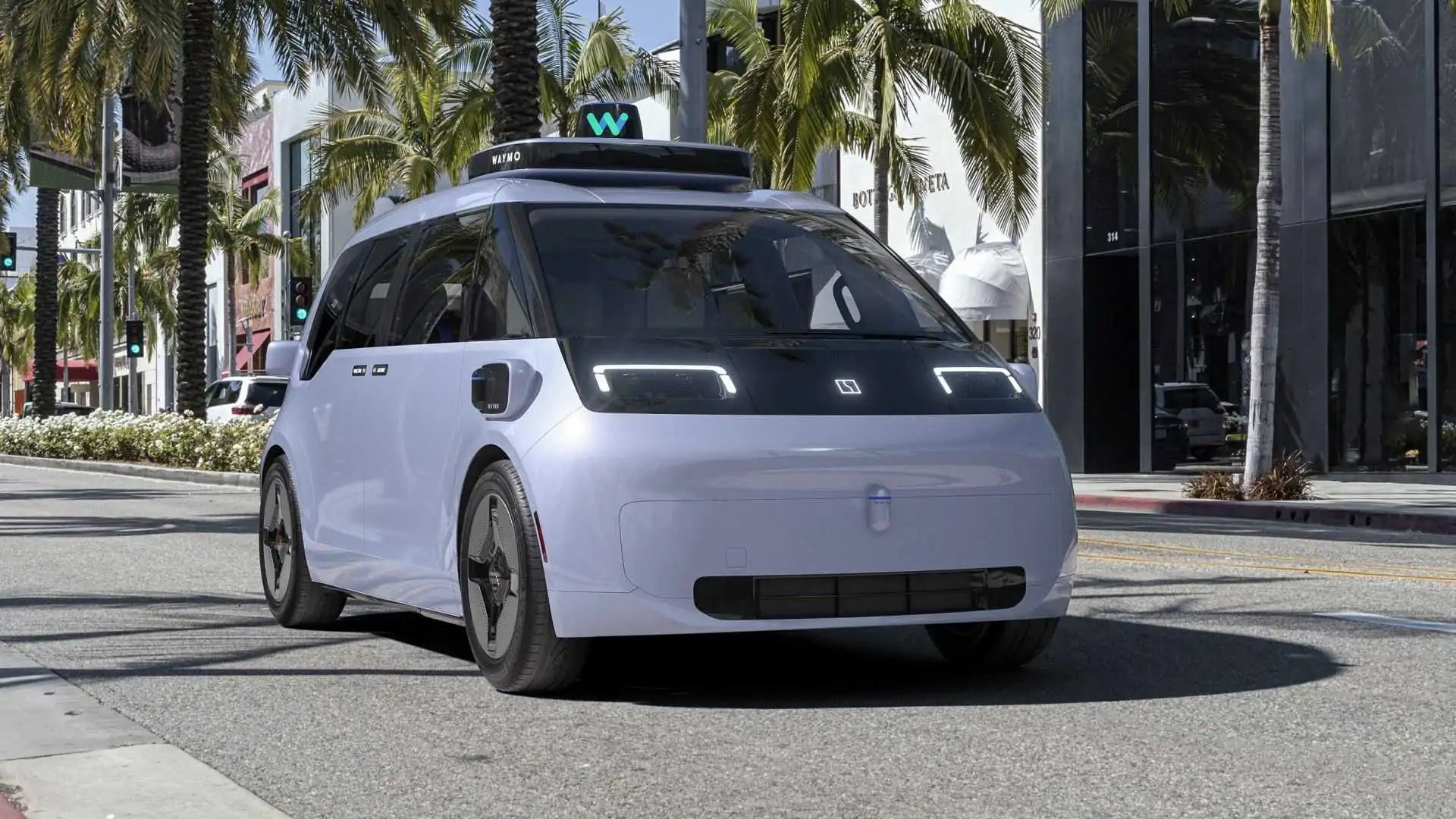
Waymo Introduces the Ojai Robotaxi as Fleet Expansion Accelerates
Waymo introduced the Ojai, a Zeekr-built robotaxi designed to replace the aging Jaguar I-Pace. With improved sensors, faster charging, and cold-weather readiness, the Ojai supports Waymo’s rapid expansion into dozens of new cities.
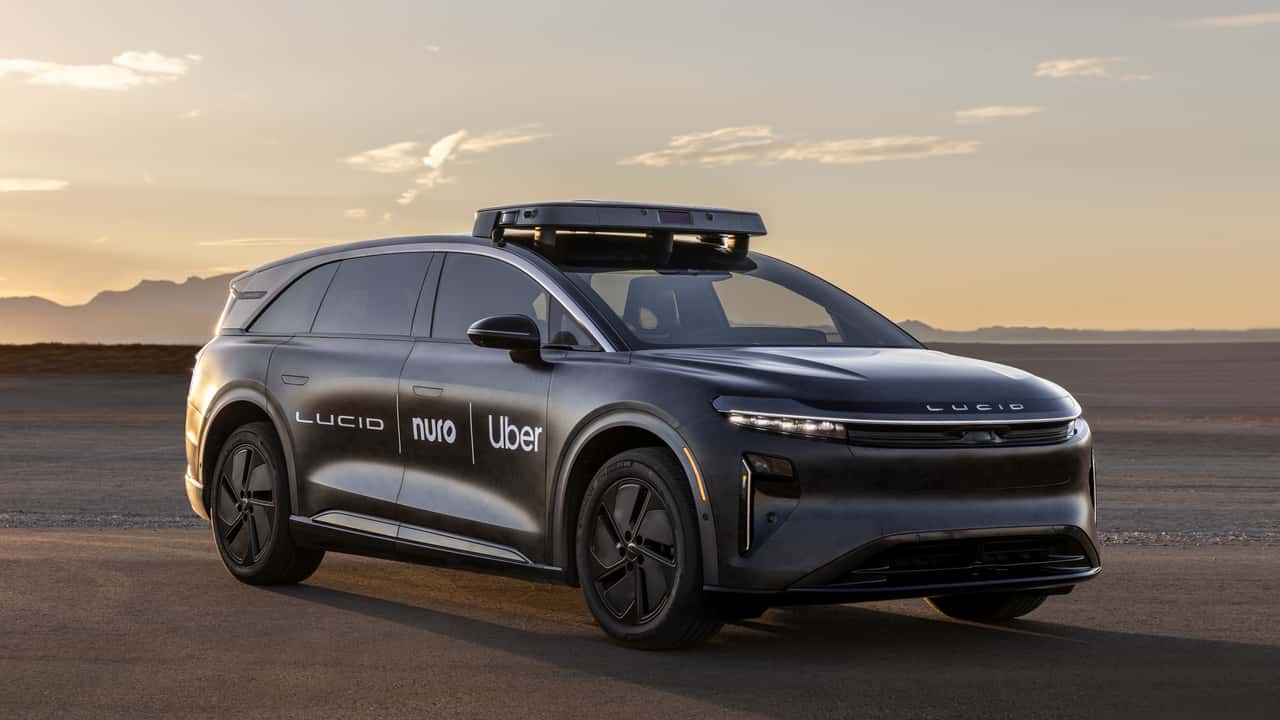
Lucid Starts Gravity Robotaxi Testing in San Francisco
Lucid has started real-world testing of Gravity-based robotaxis in San Francisco with Uber and Nuro. The Level 4 autonomous vehicles aim for a 2026 public launch and a global fleet of over 20,000 units.
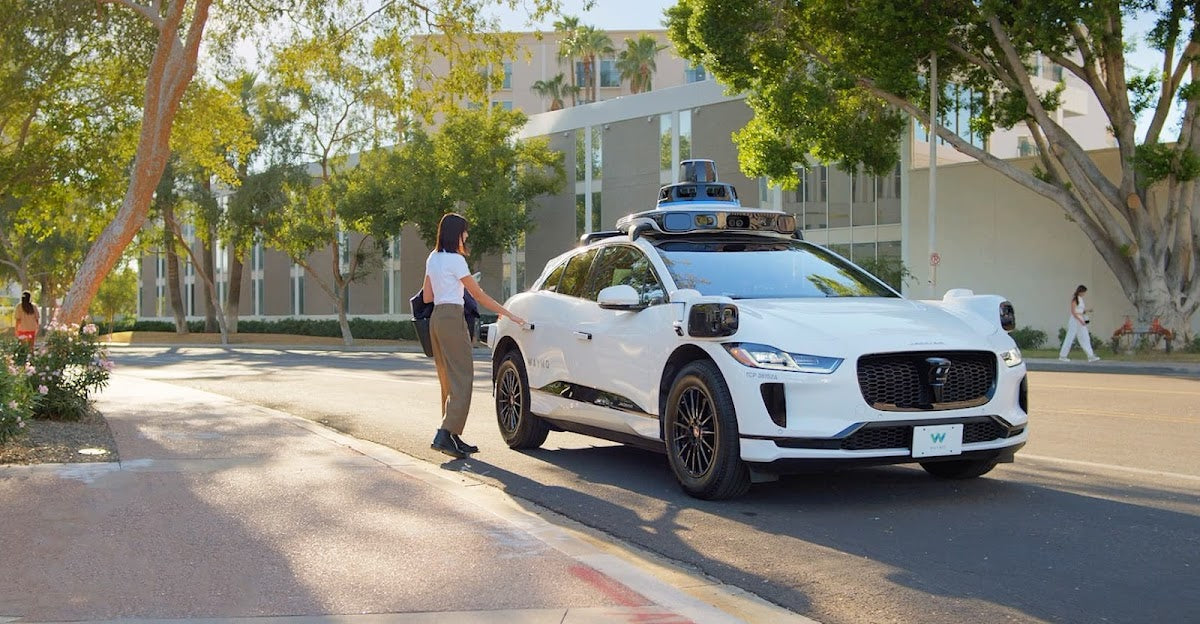
Waymo’s Robotaxi Vision Still Needs Humans to Handle Simple Tasks
Waymo has removed drivers from its robotaxis, but simple issues like doors left open still require human help. The company pays gig workers to intervene, highlighting the limits of current vehicle design and passenger behavior.
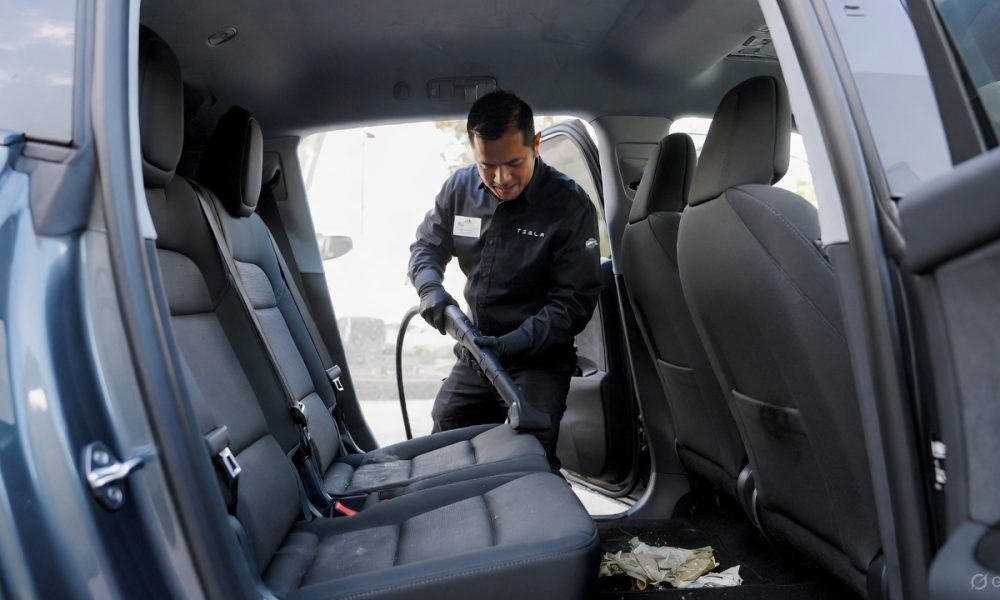
Tesla Robotaxi Introduces Cleaning Fees for Rider Messes
Tesla has introduced cleaning fees for its Robotaxi service, charging riders up to $150 for serious messes. The move reflects practical fleet needs and shows how human behavior still shapes autonomous ride services.
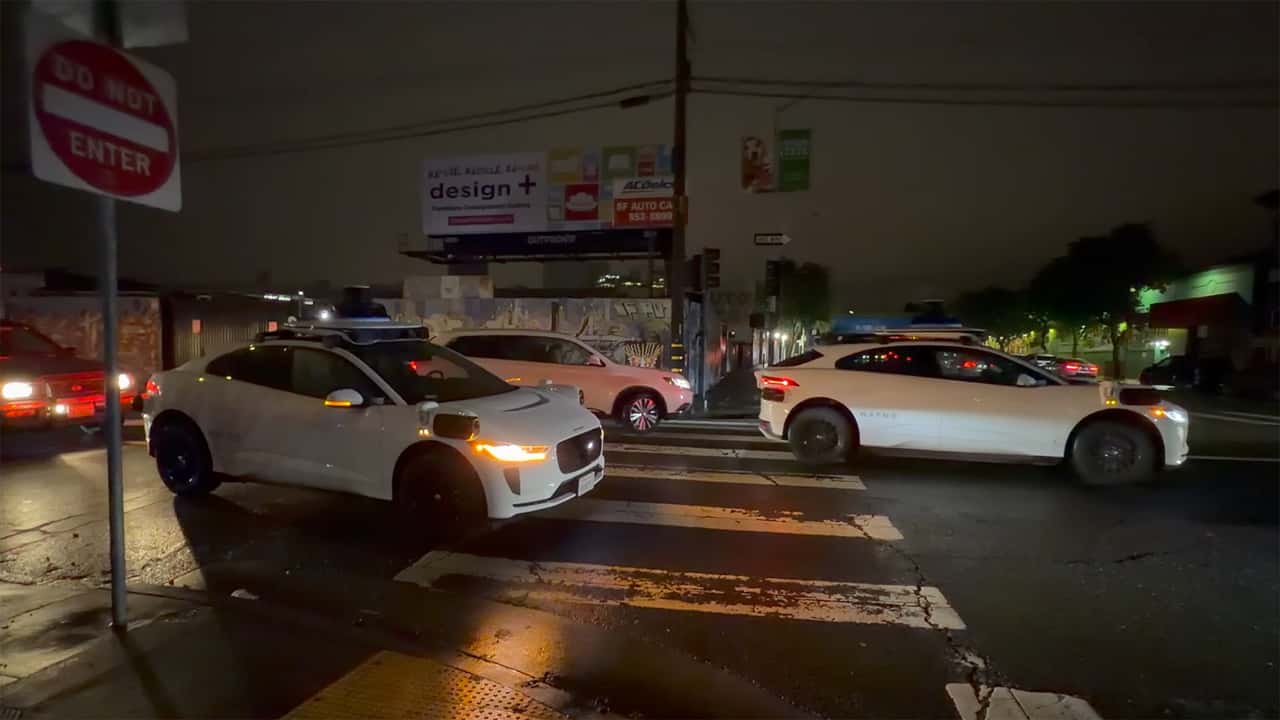
Waymo Explains Why Robotaxis Stalled During San Francisco Power Outage
During a major San Francisco power outage, Waymo’s robotaxis stalled due to a backlog of confirmation requests for dark traffic lights. The company is updating its fleet to improve handling of outages.
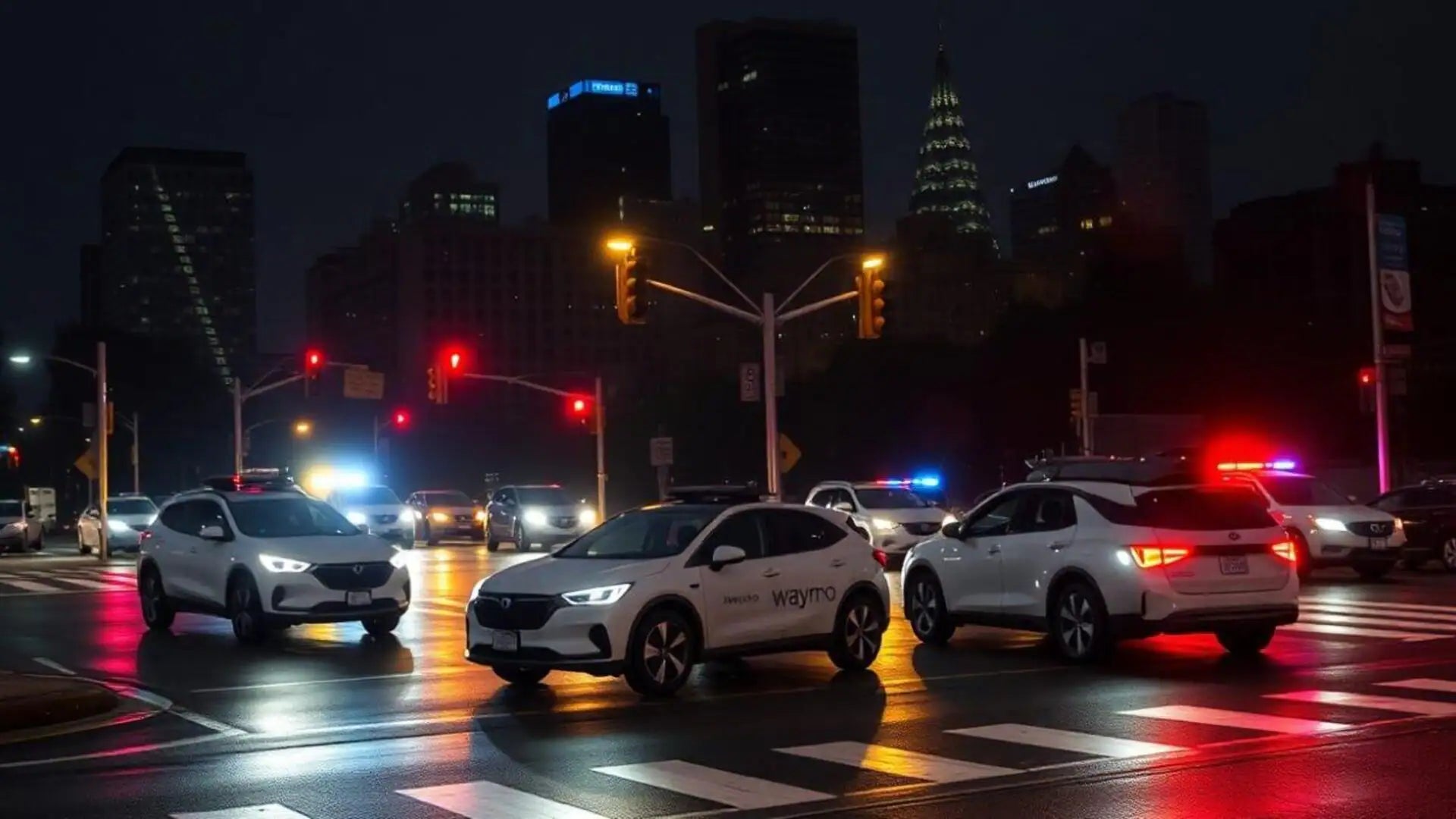
San Francisco Blackout Halts Waymo’s Robotaxi Fleet
During a San Francisco power outage, Waymo’s self-driving robotaxis paused service, showing how urban infrastructure failures and network strain can challenge autonomous fleets and human oversight systems.