





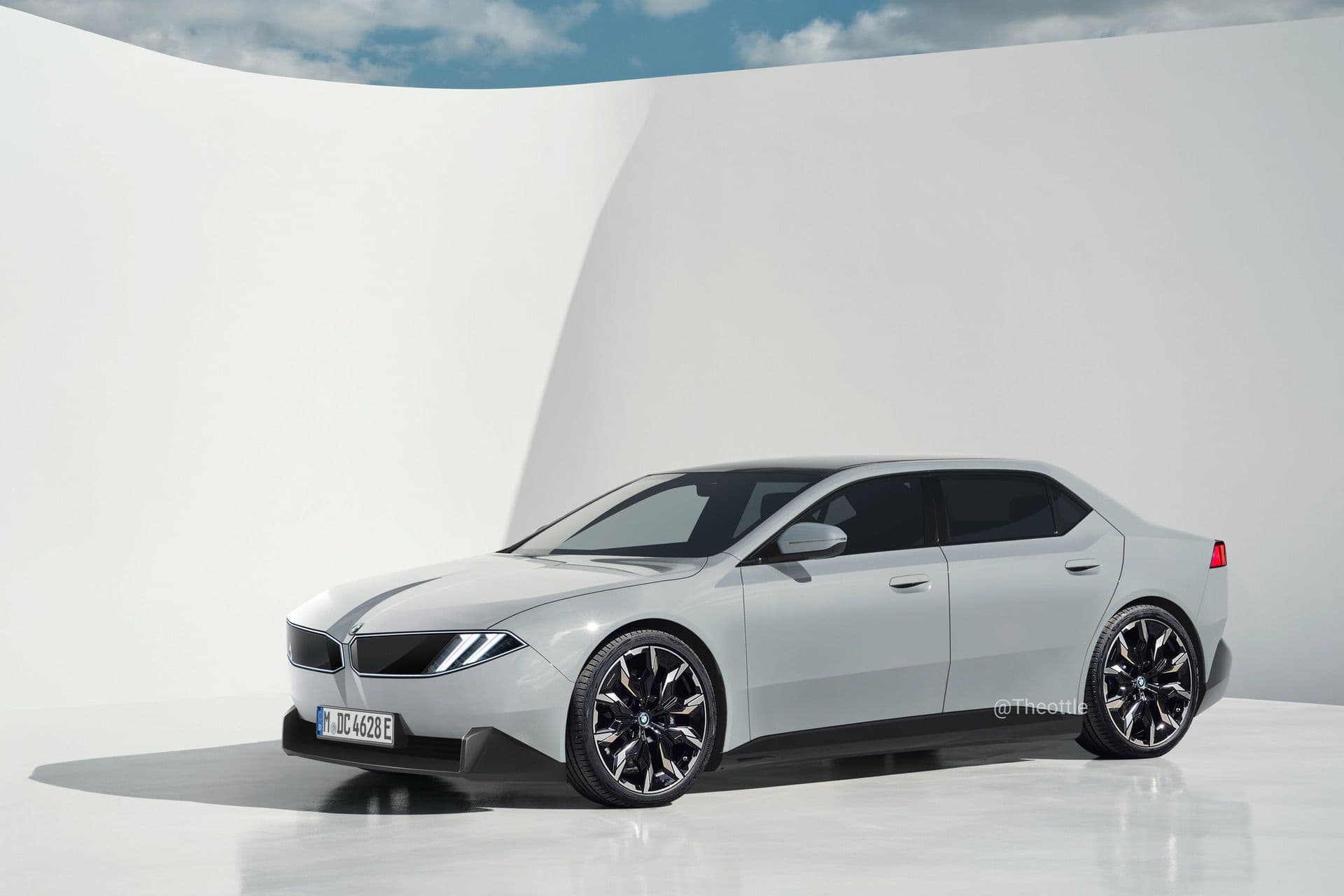
A New Electric Direction for a Core Model
BMW is preparing a major shift with the latest iteration of the i3, a name that now represents something entirely different from its earlier city-focused predecessor. Instead of a compact hatchback, the new model enters the market as a fully electric sedan aligned with the brand’s most important lineup.
This transition is significant because the 3 Series has historically been central to BMW’s global success. Reimagining it as an electric vehicle signals a deeper commitment to electrification. Early specifications suggest the company is aiming high, especially with claims of over 440 miles of driving range and ultra-fast charging capabilities.

Platform and Battery Innovations
At the core of the new i3 lies BMW’s next-generation architecture, designed specifically for electric vehicles. Built on an 800-volt system, the platform allows for improved efficiency and performance compared to earlier designs.
One notable advancement is the use of cylindrical battery cells integrated directly into the pack. By eliminating intermediate modules, BMW reduces weight and complexity while improving energy density. The battery also forms part of the vehicle’s structural floor, lowering the center of gravity and contributing to overall stability.
These engineering decisions are not just theoretical improvements. They directly influence how far the vehicle can travel and how efficiently it uses energy, positioning the i3 as a strong contender in long-range EV performance.
Range Figures That Stand Out
Range is one of the most closely watched metrics in the EV segment, and BMW appears to be targeting the top tier. The all-wheel-drive version, referred to as i3 50 xDrive, is projected to achieve approximately 440 miles on a single charge under manufacturer-estimated conditions.
If these numbers hold in real-world testing, the i3 would exceed the range figures of several established competitors currently available. This could reshape expectations in the mid-size electric sedan category, where efficiency and battery capacity are often closely balanced.
Importantly, this level of range is not solely dependent on battery size. Aerodynamic design, reduced weight, and drivetrain efficiency all play a role in achieving these results.

Fast Charging and Energy Management
Charging performance is another area where BMW is pushing forward. The new i3 is capable of accepting up to 400 kW of DC fast charging power, placing it among the fastest-charging EVs announced to date.
While exact charging times have not been officially confirmed, comparable systems suggest that charging from low to high state of charge could take less than 25 minutes under optimal conditions.
To support this, the vehicle includes battery preconditioning technology. This system adjusts the battery temperature before reaching a charging station, ensuring that it can receive energy at the highest possible rate. The process can be triggered automatically through navigation or manually by the driver.
Powertrain and Driving Characteristics
Performance remains a core focus. The dual-motor configuration in the i3 50 xDrive produces 463 horsepower and 467 lb-ft of torque, offering strong acceleration and responsive handling.
BMW employs two different motor types in this setup: an electrically excited synchronous motor at the rear and an asynchronous motor at the front. This combination is intended to balance efficiency with performance while improving control during different driving conditions.
Another technical highlight is how the vehicle handles deceleration. Regenerative braking plays a dominant role, allowing the motors to manage most slowing scenarios. Traditional friction brakes are primarily reserved for emergency situations or aggressive driving, contributing to smoother operation in everyday use.
Digital Systems and Interior Technology
Inside the cabin, the i3 reflects BMW’s shift toward a highly digital user experience. A 17.9-inch central display is paired with a panoramic information strip that spans the base of the windshield, providing key driving data within the driver’s line of sight.
The system runs on a new operating platform that supports voice interaction through an AI-enhanced assistant. Drivers can issue commands conversationally, reducing reliance on physical controls. Over-the-air updates ensure that software features can evolve over time.
Standard features include a panoramic glass roof and smartphone-based key access. Additional options, such as a 3D head-up display, further expand the vehicle’s digital interface.
Design and Dimensions
Visually, the new i3 adopts a more restrained and aerodynamic look compared to some of BMW’s recent designs. The front end features a lower, more streamlined profile, while the rear incorporates updated lighting elements that reinterpret familiar styling cues.
In terms of size, the sedan closely aligns with competitors in its segment. Measuring approximately 4,740 mm in length, it offers a balance between interior space and urban usability. The extended wheelbase contributes to cabin comfort, particularly for rear passengers.
Bidirectional Charging and Energy Use
BMW is also integrating bidirectional charging into its latest EV lineup. The i3 supports vehicle-to-load (V2L) functionality with up to 3.7 kW output, enabling users to power external devices directly from the car.
With additional equipment, the system can be expanded to supply electricity to a home. This feature reflects a broader industry trend where vehicles are increasingly viewed as part of a larger energy ecosystem rather than standalone transport tools.

Production Timeline and Market Launch
Manufacturing of the new i3 is scheduled to begin in August at BMW’s Munich facility. Initial deliveries are expected later in the year, with entry into the U.S. market planned for 2027.
Pricing details have not yet been disclosed, leaving some uncertainty about how the model will be positioned against its competitors. However, given its specifications, it is likely to target the premium segment of electric sedans.
Outlook: A Competitive New Entry
The new i3 represents a significant step in BMW’s electrification strategy. By combining long driving range, high charging speeds, and advanced digital features, the company is aiming to strengthen its position in a rapidly evolving market.
Whether it can outperform established rivals will depend on real-world efficiency, pricing, and customer reception. Still, the available data suggests a well-rounded vehicle designed to meet growing expectations for electric mobility.
Recommend Reading: BMW i3 Sedan Moves Into Pre-Production, Signaling a New EV Era for the 3 Series









Share:
Are Chinese Electric Pickups Really a Threat to Ford?
Do Some EVs Beat Their EPA Range? Real-World Test Results