



Large Funding Round Strengthens Startup’s Production Push
Electric vehicle startup Slate Auto has secured $650 million in fresh financing as it works toward launching a low-cost pickup aimed at the mass market. The company confirmed the funding on Monday, marking a significant step forward in its development timeline.
The round was led by investment group TWG Global, and the capital will primarily support vehicle engineering and the expansion of manufacturing capacity at Slate’s facility in Warsaw, Indiana. The company continues to target the end of this year for the start of production.

Origins and Changing Price Expectations
Founded in 2022 and publicly introduced after operating in stealth mode for several years, Slate initially built its business case around federal EV incentives in the United States. At the time, the company expected the then-existing $7,500 tax credit to help reduce the entry price of its truck to below $20,000.
With that incentive no longer available, pricing expectations have shifted upward. The current projected starting point has moved closer to $25,000, reflecting the loss of subsidy support and broader cost pressures in the EV sector.
The new funding round therefore plays a crucial role in maintaining development momentum as the company prepares for manufacturing scale-up.
Competitive and Market Pressure in the EV Space
Slate’s timing places it in a challenging environment for new automakers. Demand for electric vehicles in the U.S. remains uneven, while several established manufacturers have redirected investment toward hybrids and combustion models in response to market fluctuations.
At the same time, competition in the lower-cost EV segment is increasing, with multiple companies attempting to reach more price-sensitive buyers. Despite these headwinds, Slate benefits from strong financial backing, including support linked to high-profile investors, which helps sustain its long-term strategy.
A Minimalist Product Strategy
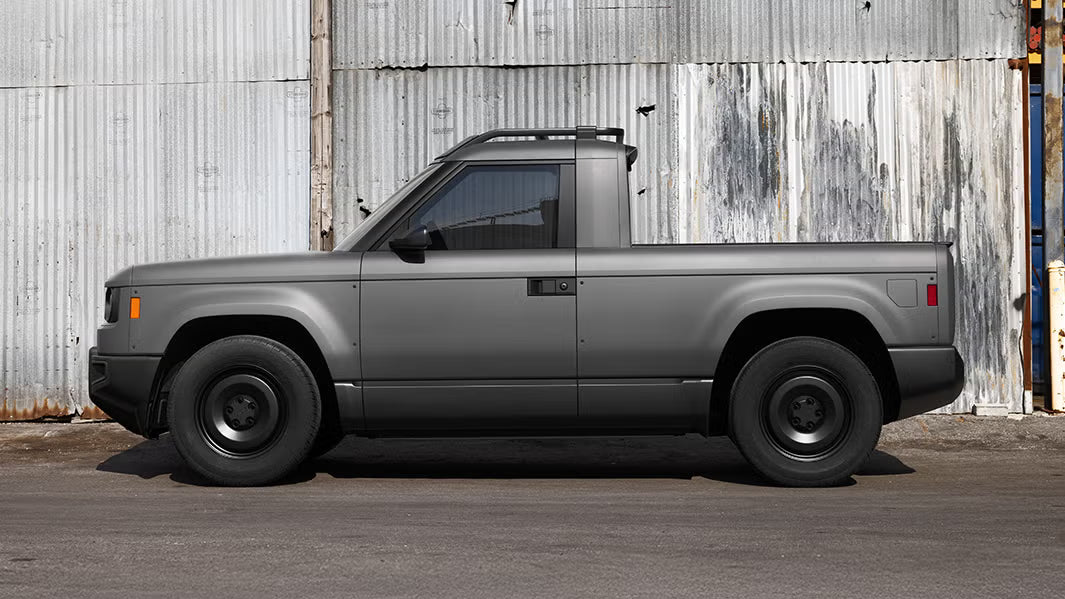
The company’s upcoming vehicle, internally referred to as the “Blank Slate”, follows an unusually stripped-down design philosophy. Each unit will be delivered in a basic configuration directly from the factory, featuring minimal equipment to keep costs low.
Standard specifications include steel wheels and an interior that omits several conventional features found in modern vehicles. There is no built-in infotainment display, no speaker system, and no power-operated windows in the base configuration.
Buyers will have only one factory-installed performance choice: a battery offering either approximately 150 miles or 240 miles of range, depending on the selected pack.
Post-Delivery Customization Model
Rather than offering a wide range of factory trims, Slate plans to rely heavily on post-production customization. Additional features such as a radio system, upgraded wheels, power window systems, and even body modifications like SUV-style kits or open-top conversions will be installed later through service centers or by owners themselves.
This modular approach is designed to reduce upfront complexity and manufacturing cost, while giving customers flexibility to configure vehicles over time. However, final pricing for both the base model and optional upgrades has not yet been disclosed, with official figures expected in June.
Positioning Against the Broader Market
Industry data suggests that the average price of a new vehicle in the United States now exceeds $51,000, according to automotive market estimates. Slate is attempting to carve out a niche well below that threshold by stripping away non-essential features and focusing on affordability.
However, the strategy raises questions about consumer acceptance, especially when compared with the growing used-EV market, where more fully equipped vehicles are often available at similar or lower price points.
At the same time, newer budget-friendly electric models such as updated versions of the Nissan Leaf and Chevrolet Bolt offer more conventional feature sets while still targeting sub-$30,000 pricing. Unlike those vehicles, however, Slate’s offering is positioned as a pickup, giving it a distinct segment focus.

Outlook
Slate Auto’s approach represents one of the most unconventional attempts yet to reframe what a modern electric vehicle can be. Whether its ultra-minimal design philosophy will resonate with buyers remains uncertain, particularly in a market where affordability, practicality, and features are all competing priorities.
With production plans approaching and pricing still to be finalized, the company’s next steps will be critical in determining whether its low-cost truck strategy can gain traction in the real world.
Recommend Reading: Slate EV Truck Tops 150,000 Orders, But Won’t Include Self-Driving Features
Aktie:
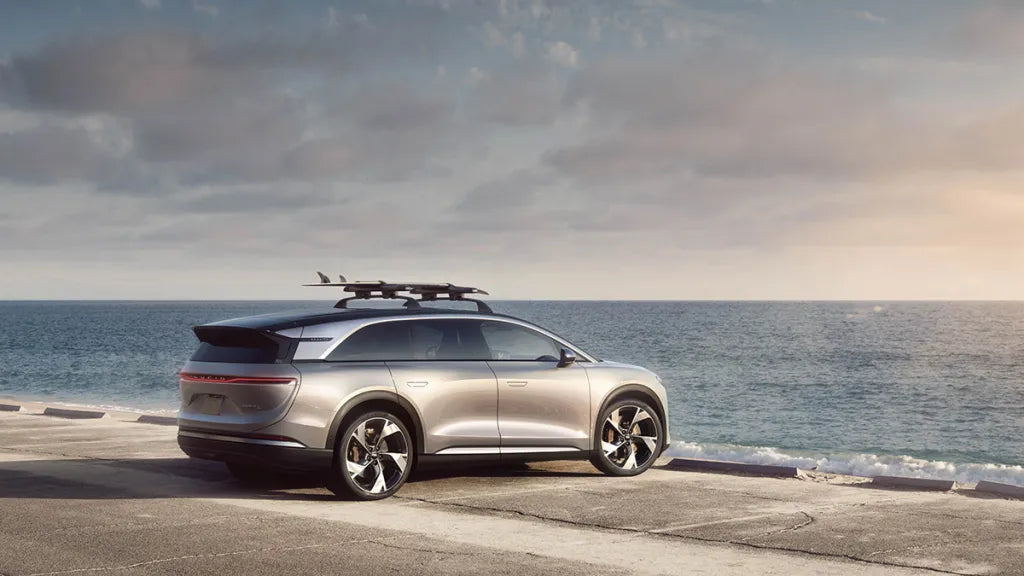
Lucid Motors Appoints New CEO and Secures Additional Investment
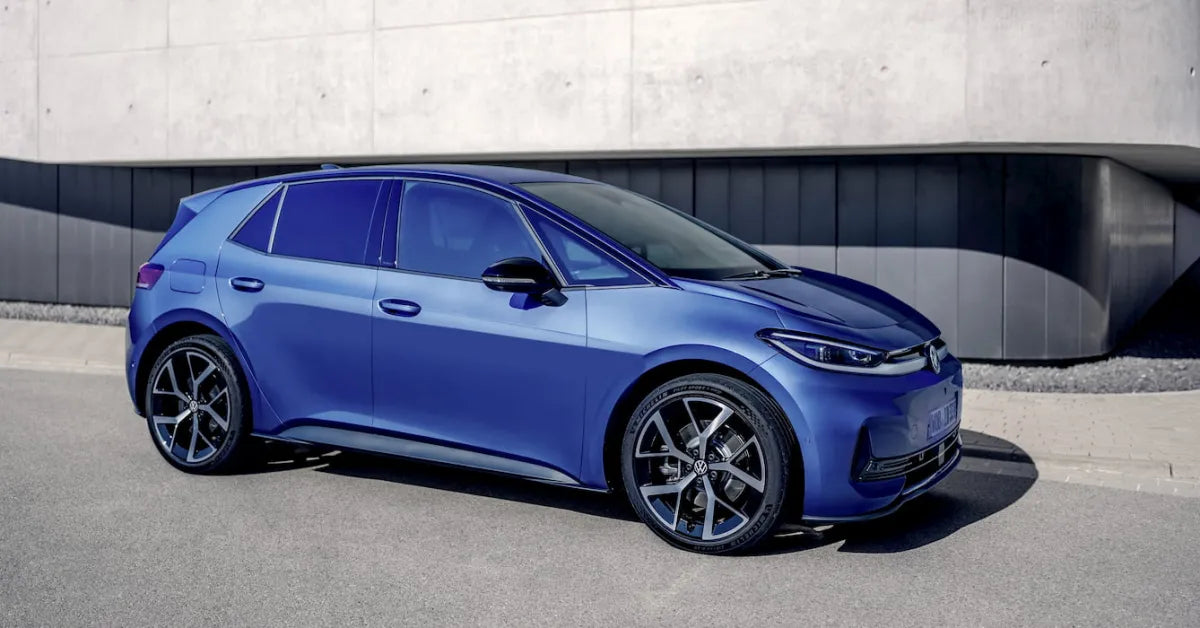
Volkswagen ID.3 Neo changes specs range interior updates