



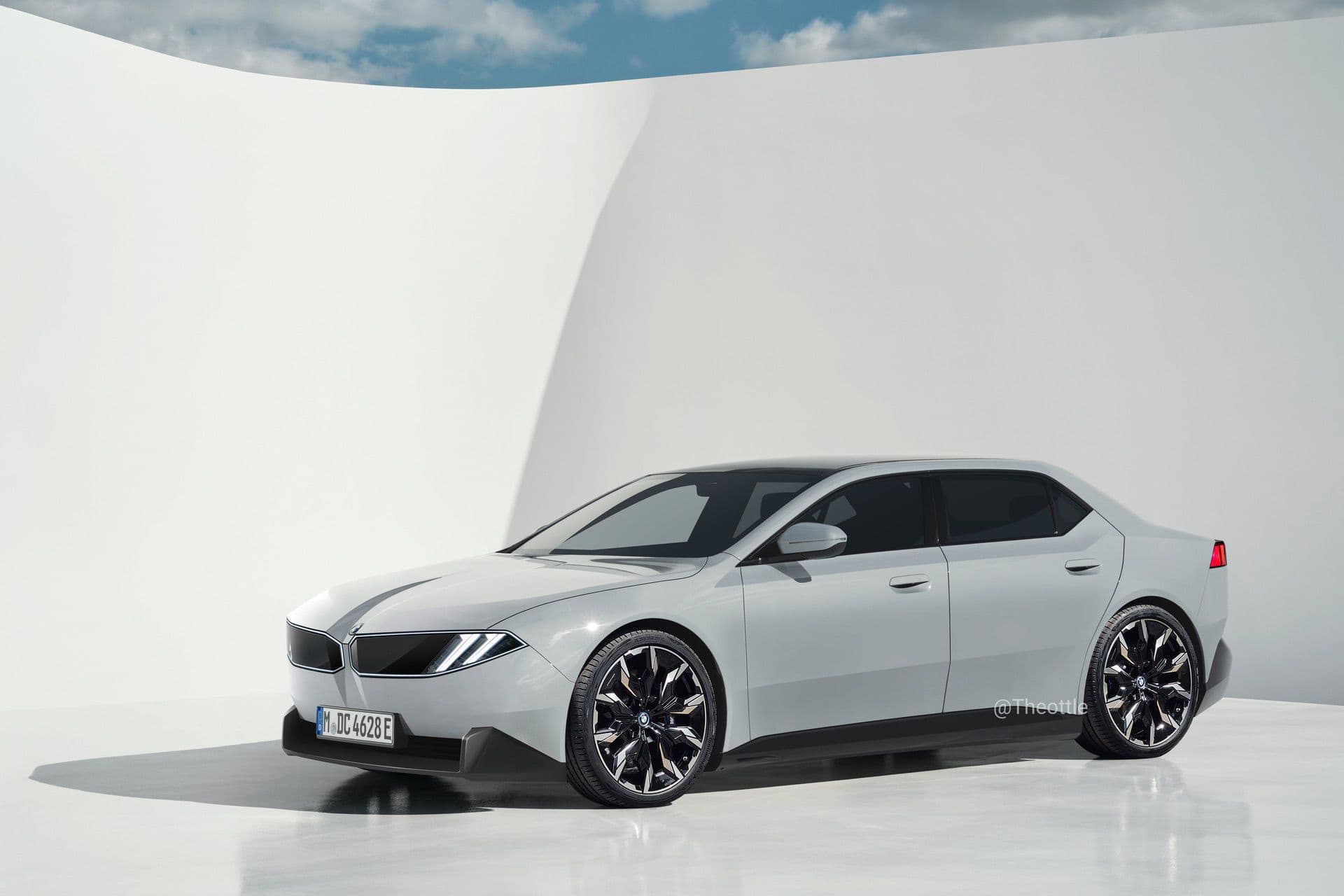
BMW’s compact sport sedan has long shaped the brand’s global identity. In the coming years, that legacy model will enter a new phase as it transitions to battery power. The next-generation 3 Series will be offered as a fully electric four-door under the familiar i3 nameplate, signaling a strategic shift for one of the company’s most recognizable vehicles.

A Historic Name Returns in a New Form
BMW has confirmed that the electric version of its core sedan will carry the i3 badge. Unlike the earlier city-focused hatchback that introduced BMW to many early EV adopters, this new i3 will be positioned as a mainstream compact executive sedan.
Trademark activity suggests designations such as i320, i330, and i340 may identify different performance tiers. The electric model is expected to coexist with gasoline-powered 3 Series variants rather than replace them outright, giving buyers parallel options during the brand’s broader electrification rollout.
Built on the Neue Klasse Foundation
At the heart of the upcoming i3 lies BMW’s Neue Klasse architecture, a dedicated EV platform also underpinning the latest iX3. This marks a clear break from current electric sedans like the i4, which rely on modified combustion-based structures. By starting from a clean-sheet electric design, engineers gain greater freedom in packaging, efficiency, and weight distribution.
BMW’s sixth-generation eDrive system will debut in this model. According to the company, the new setup delivers roughly 30% greater driving range, enables 30% quicker charging, and improves overall efficiency by about 25% compared with previous systems. The platform adopts an 800-volt electrical system, paired with newly developed cylindrical battery cells designed for higher energy density and improved integration within the chassis. This configuration should support lower vehicle height and better aerodynamic performance.
The architecture is engineered to handle a broad output spectrum, from modest single-motor rear-wheel-drive layouts to multi-motor configurations. BMW has indicated the system can support as many as four electric motors and power figures stretching well beyond mainstream levels. Entry versions of the i3 will likely sit at the lower end of that range, with both RWD and dual-motor AWD setups anticipated.
Expected Range and Charging Performance
Although final specifications remain unconfirmed, projections suggest the electric sedan will exceed 300 miles of driving range on a full charge under standard testing conditions. The adoption of an 800V system is expected to allow peak charging speeds above 400 kW, significantly reducing time spent at high-speed DC chargers.
Such capability would position the i3 competitively against emerging electric rivals in the premium compact class. The timing is notable, as Mercedes-Benz prepares its own battery-powered C-Class variant using similar high-voltage technology. Competitive pressure is likely to ensure BMW equips its volume sedan with its most advanced components.
Exterior Direction and Interior Innovation
Design previews have come from BMW’s Vision Neue Klasse concept, which hints at a cleaner, more restrained visual identity compared with recent models. The future i3 is expected to retain the traditional three-box sedan proportions but with simplified surfaces and reduced ornamentation.
Certain brand signatures, such as the Hofmeister kink at the rear side window, are expected to remain. However, the oversized grille treatments seen in some recent BMW models are unlikely to carry over in the same form. Early indicators suggest slimmer front-end elements and a more minimalist aesthetic.
Inside, BMW has indicated a significant digital upgrade. The company has previewed features including expansive display integration across the dashboard and advanced windshield projection technology capable of presenting augmented information within the driver’s field of view. In addition, the Neue Klasse program emphasizes the use of more sustainable interior materials as part of BMW’s broader environmental objectives.

Pricing Outlook and Production Timeline
Official pricing has not yet been announced. For context, the current gasoline-powered 3 Series begins at roughly $45,000, while the electric i4 starts above $52,000. Based on that positioning, analysts expect the base i3 sedan to land near the $50,000 mark, though final figures will depend on battery size and equipment levels.
Prototype vehicles are already being assembled in Munich, Germany, with series production scheduled to increase during the second half of 2026. Market introduction is therefore anticipated for the 2027 model year, marking a pivotal step in BMW’s long-term electrification strategy.
Recommend Reading: BMW U.S. Sales Hit Record in 2025 as Plug-In Hybrids Outpace EV Growth


Aktie:
Tesla Cybercab Production Begins at Texas Factory
What to Expect From Ford’s $30K Electric Truck Platform in 2027