




Survey Compares Expectations With Real-World Results
Public fast-charging in the United States has expanded quickly in recent years, but perceptions about reliability have not always kept pace. A new survey of 209 electric vehicle owners offers a closer look at how drivers rate major charging providers—and whether their real experiences match prior assumptions.
The research, conducted by Escalent, asked participants to evaluate charging networks in two ways: how dependable they expected each provider to be, and how dependable the stations actually proved to be during the previous six months. Responses were graded on a five-point scale, with five representing the highest level of reliability.
Tesla Leads, But Rivals Show Strong Gains

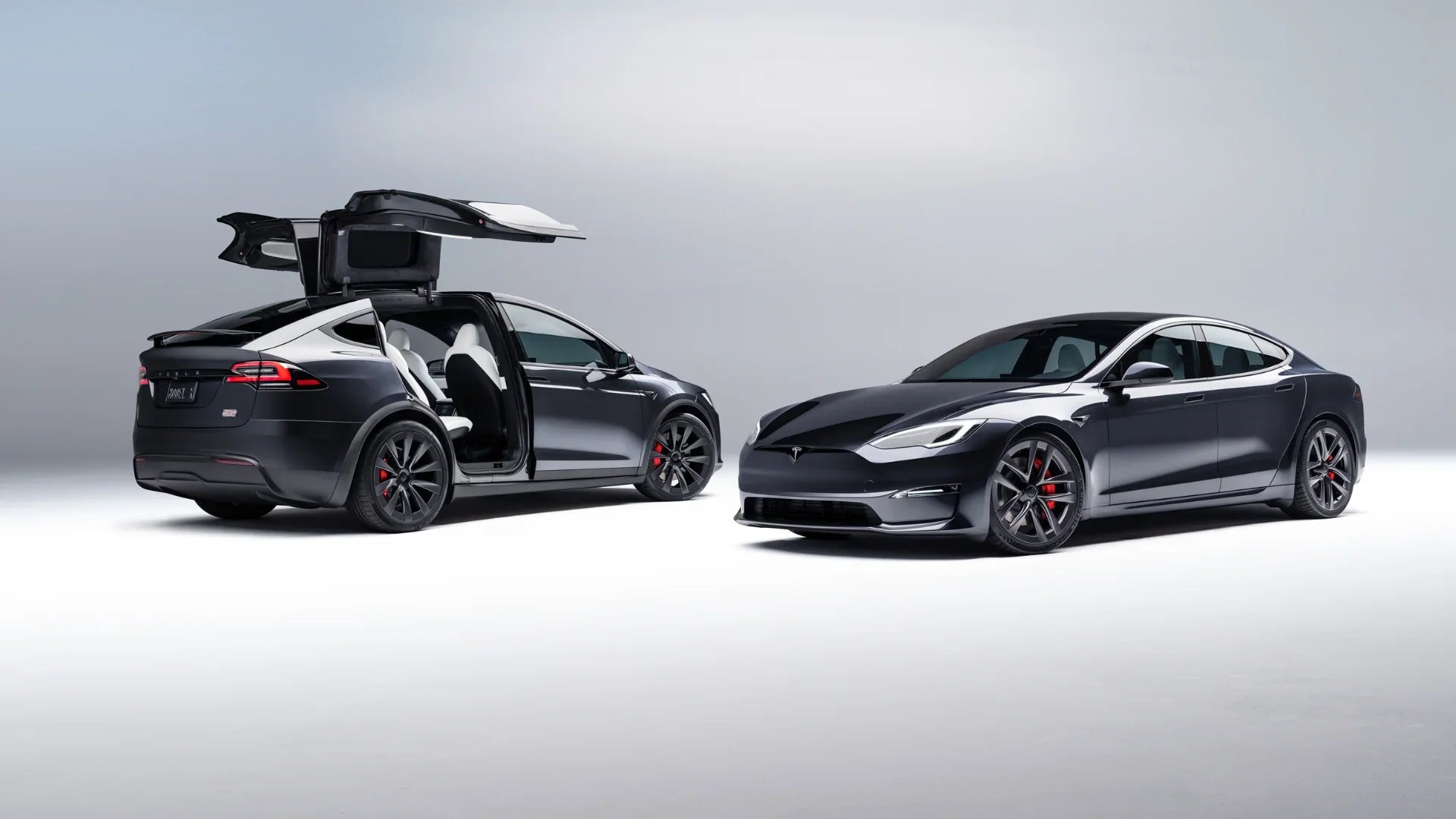
Across both expectation and experience, Tesla Supercharger sites received the strongest marks. Drivers assigned Tesla an average expected score of 3.9, while real-world performance earned a notably higher 4.6. The gap suggests that users found the network more consistent than they initially anticipated.
Other national providers also posted solid results. EVgo recorded an expectation rating of 3.2 and an experienced score of 3.7. ChargePoint moved from 3.4 expected to 3.6 experienced, while Electrify America rose from 3.1 to 3.6. Shell Recharge improved from 3.1 to 3.4, and Blink Network showed the same 3.1 to 3.4 increase.
Although Tesla maintained a clear advantage at the top, the broader pattern is notable: every major network achieved higher marks in actual use than in perceived reliability beforehand.
Overall Satisfaction Remains High
Beyond brand-specific comparisons, the survey also measured general satisfaction with public charging dependability. On the same five-point scale, 45% of respondents selected the highest rating, while 29% chose four out of five. Only 2% reported the lowest possible score.
These numbers indicate that most EV drivers report positive experiences when using public fast chargers. However, the sample composition may influence the outcome. Roughly 51% of participants drive Tesla vehicles, which benefit from seamless integration with the company’s proprietary charging infrastructure.
Even with that caveat, the data suggests that frustration levels may be lower than commonly assumed.

Perception Lags Behind Infrastructure Progress
One of the most striking findings is the consistent difference between expectation and lived experience. In each case, actual reliability surpassed prior assumptions. This pattern points to a disconnect between public narratives—often shaped by early reliability challenges—and the current state of infrastructure.
Charging networks have invested heavily in equipment upgrades, software improvements, and maintenance practices. Aging hardware has been replaced in many regions, and payment systems have become more stable. As a result, drivers increasingly report fewer session failures and shorter troubleshooting delays.
The perception gap may stem from lingering stories of broken connectors or inoperable stations that circulated during earlier phases of network expansion. While such issues have not disappeared entirely, survey responses imply they are becoming less common.

Fast Charging Approaches Mainstream Dependability
For many EV owners, the question is no longer whether public charging works at all, but whether it is predictable enough for regular travel. The survey results indicate that reliability is moving closer to the level drivers expect from conventional refueling infrastructure.
Minor inconveniences—such as needing to restart a session after a payment error—still occur. Yet large-scale failures appear increasingly rare. In most urban and suburban corridors, multiple charging stalls at a single site provide redundancy, reducing the likelihood that drivers will be stranded.
As network density increases and uptime improves, confidence appears to follow. If the trend of experienced reliability outperforming expectations continues, public perception may gradually align with on-the-ground reality.
For now, the findings suggest a maturing market. While no system is flawless, the gap between assumption and performance indicates measurable progress. For prospective EV buyers concerned about charger dependability, recent driver feedback points toward steady improvement rather than persistent decline.
Recommend Reading: Home Charging vs Public Charging: What’s Best for New EV Owners?
Share:
Best EV Lease Deals and Financing Offers in February 2026
Living With an EV on Level 1 Charging for 19 Months