



Decline in New EV Sales
The first quarter of 2026 saw a noticeable slowdown in new electric vehicle sales, largely due to the expiration of federal tax incentives and other supportive regulations. Cox Automotive reports that approximately 213,000 new EVs were purchased during Q1, representing a 28% decline compared with the same period last year and a 9% drop from the previous quarter. Overall market share for EVs held steady at about 5.8%, but this is down nearly two percentage points from the prior year, reflecting the fading effect of the tax-credit rush in late 2025.
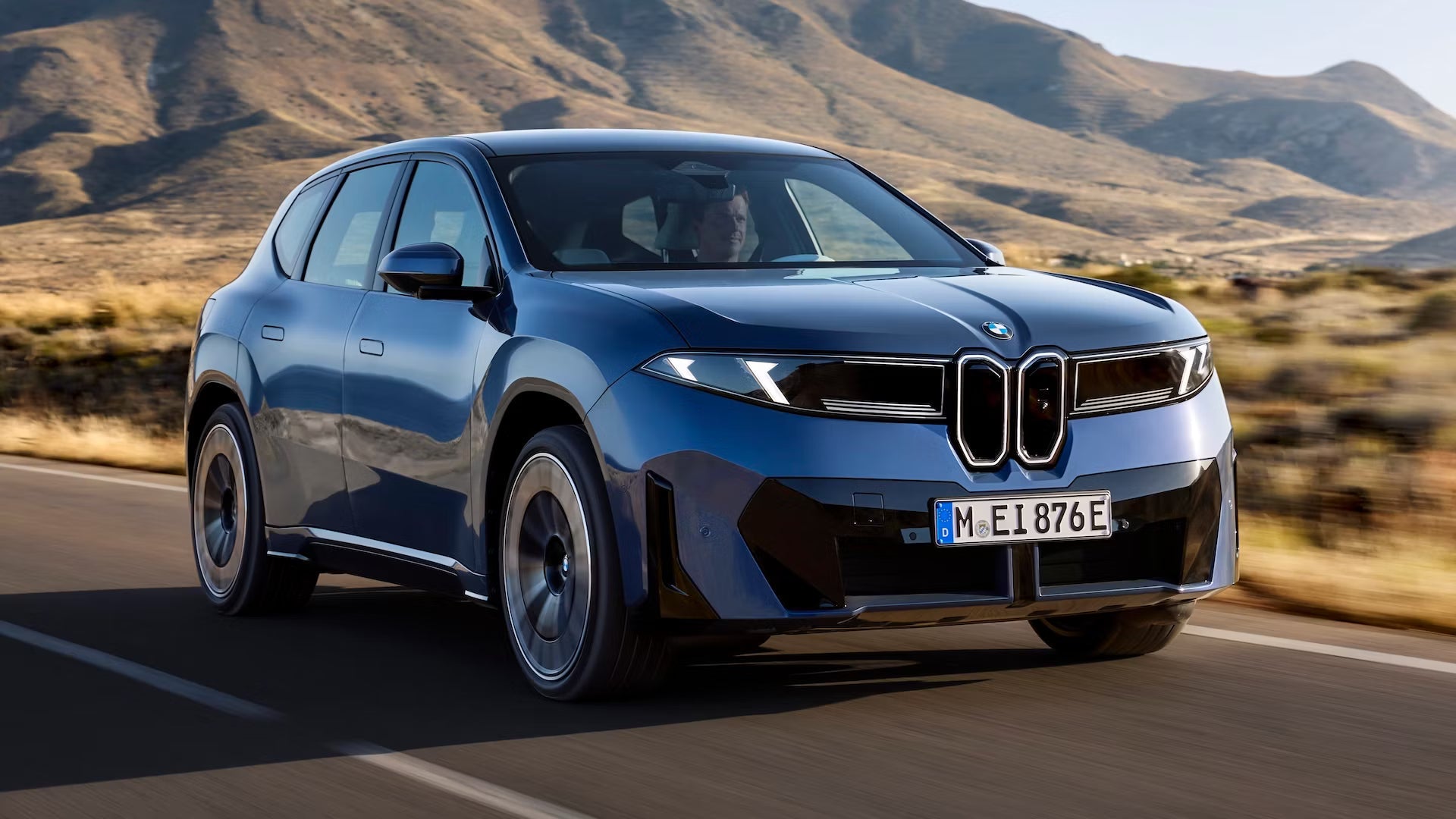
Stephanie Valdez Streaty, Cox’s director of industry insights, emphasized that the market is undergoing a transitional phase. “The pull-forward from last year’s incentives has temporarily distorted demand,” she noted. In the coming months, consumer interest, production volumes, and automakers’ strategies will determine how EV market share stabilizes. New models, such as the updated Chevy Bolt and BMW iX3, are expected to stimulate sales, although production cancellations could offset gains.

Tesla and Premium Segment Performance
Despite the overall slowdown, Tesla remains a strong performer, with its share of the EV market surpassing 50% in Q1, following a minor dip last year. Its total share of all vehicles sold held at 3.3%, unchanged from the same quarter in 2025.
The premium EV market has been more resilient than the mass market. JD Power reported that 26.4% of luxury vehicle sales this year are electric, a reduction of only five percentage points compared with the prior year. In contrast, mass-market EVs now account for 1.9% of sales, down from 4%, highlighting that affordability and brand perception continue to influence adoption rates.
Growth in the Used EV Market
The secondhand EV segment tells a very different story. While used EVs experienced a surge in Q3 2025, coinciding with the end of tax credits, the market did not see the same sharp decline as new vehicles. Q1 2026 showed renewed growth, with Americans buying 93,500 used EVs, an increase of 17% from Q4 and 12% year over year. The segment’s market share now stands at 2.1%, though it remains small relative to the overall used-car market.
Valdez Streaty highlighted that the variety of available used EVs is expanding. Earlier, budget-conscious buyers mainly considered Chevy Bolts, Nissan Leafs, and Tesla Model 3s. Today, discounted BMWs, long-range Hyundais, and other models are widely accessible. Prices have also become more attractive: in February, 44% of used EV transactions fell below $25,000, providing better value than comparable internal-combustion vehicles.
Advantages of Used EVs
Data from Recurrent shows that a typical used EV priced between $20,000 and $30,000 is a 2022 model with roughly 33,000 miles, whereas combustion cars at similar price points often have nearly 50,000 miles and are a year older. This growing supply comes partly from vehicles returning from leases obtained under the Inflation Reduction Act’s incentives. Cox predicts that monthly lease returns will climb to 240,000 within a year, with around 20%, or 50,000, being electric vehicles.

Factors Supporting Future Demand
High fuel prices continue to make electric cars more attractive. Although $4 per gallon gas may not restore new EV sales to their peak or drive significant Rivian R2 adoption, it encourages cost-sensitive buyers to explore affordable used EV options, such as $20,000 Model Ys.
In summary, while new EV sales face temporary setbacks from policy changes and market adjustments, the used EV market is expanding rapidly, offering a growing selection of models and competitive pricing. This dual trend illustrates a shifting landscape where electrification continues to progress, even if adoption paths differ between new and pre-owned vehicles.
Recommend Reading: Used Electric Vehicles Emerge as the Lowest-Cost Cars Over Time
Partager:
Zoox Expands Robotaxi Service to Austin and Miami in 2026
Home EV Charging Costs Rise, But Staying Plugged In at Home Remains Cheaper