




Blog
- Tous
- Autonomous Vehicles
- Basic Introduction
- Battery Tech
- Buying Guide
- BYD
- Cadillac
- Charging
- China
- Elon Musk
- Ferrari
- Ford
- HOA
- Hyundai
- ICCU
- Industry Outlook
- Kia
- Mazda
- Model Comparisons
- Monthly EV Lease Deals
- Monthly EV Recommendation
- NEMA Plug
- Policies & Incentives
- Range
- Renault
- Repair & Maintenance
- RIVIAN
- Road Trip
- Sales
- Solar
- Subaru
- Tesla
- User Guide
- Volkswagen
- Volvo
- Xiaomi
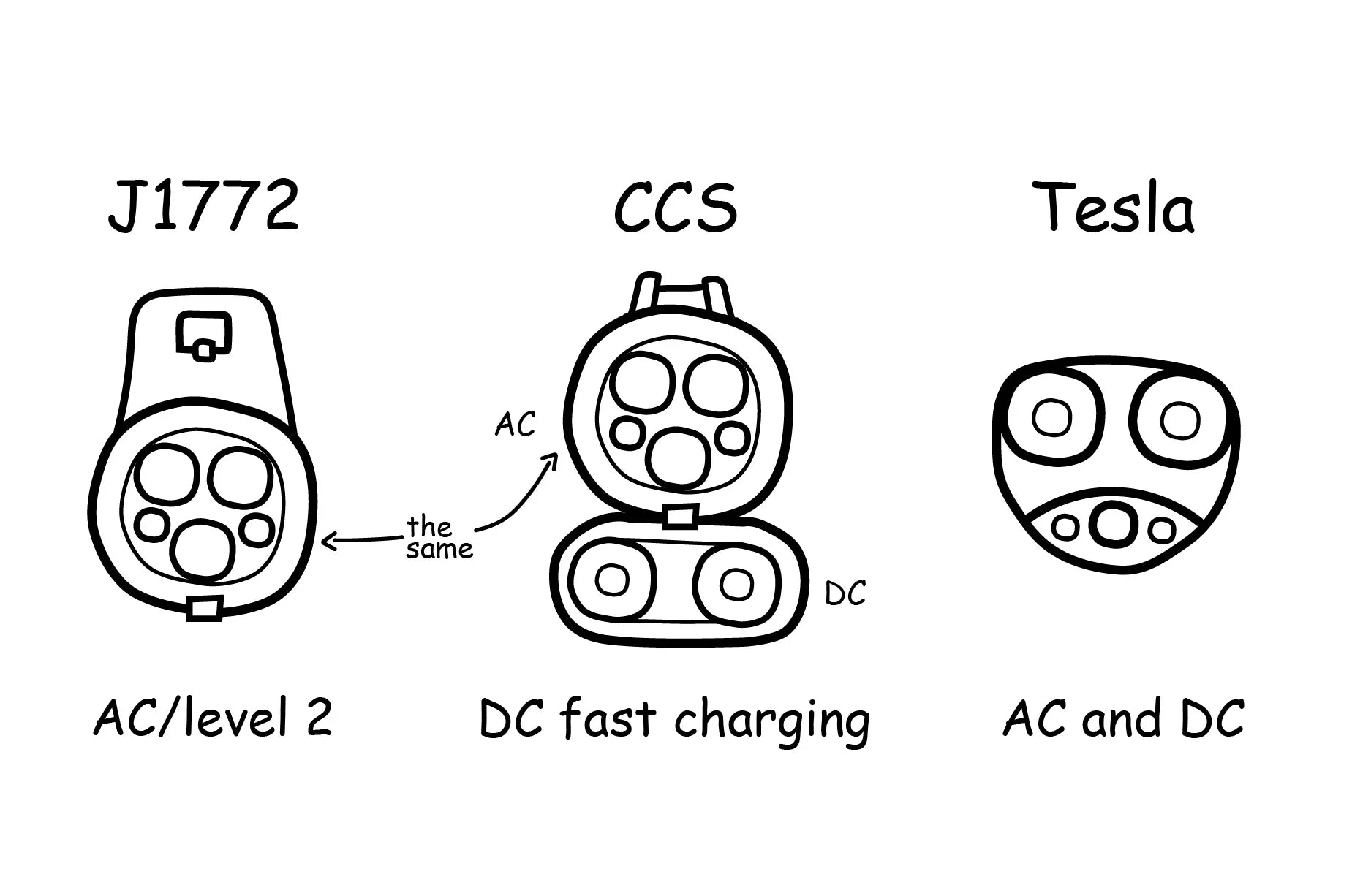
NACS vs J1772 Extension Cables: Which One Should You Choose?
Choosing the right EV extension cable matters. J1772 fits most legacy EVs, while NACS is becoming North America’s standard, offering future-proofing, flexibility, and broader compatibility.
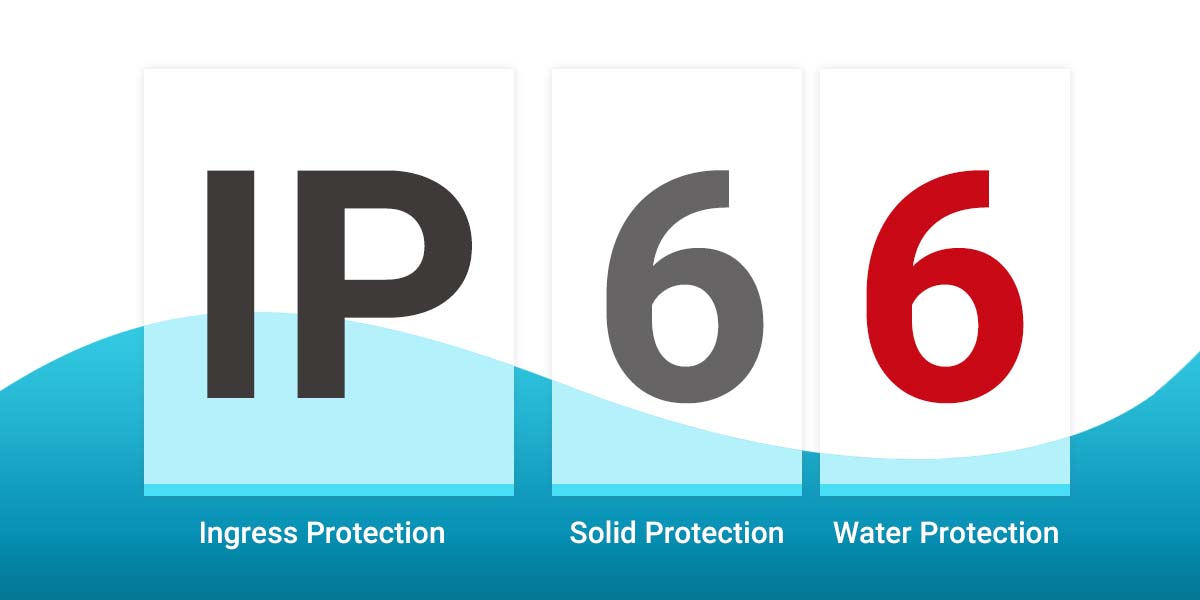
How IP66 Waterproofing Keeps Your EV Extension Cable Safe Outdoors
IP66 waterproofing helps EV extension cables resist dust and heavy rain, making outdoor charging safer. This guide explains how IP66 works, what it protects against, and why safe use still matters.
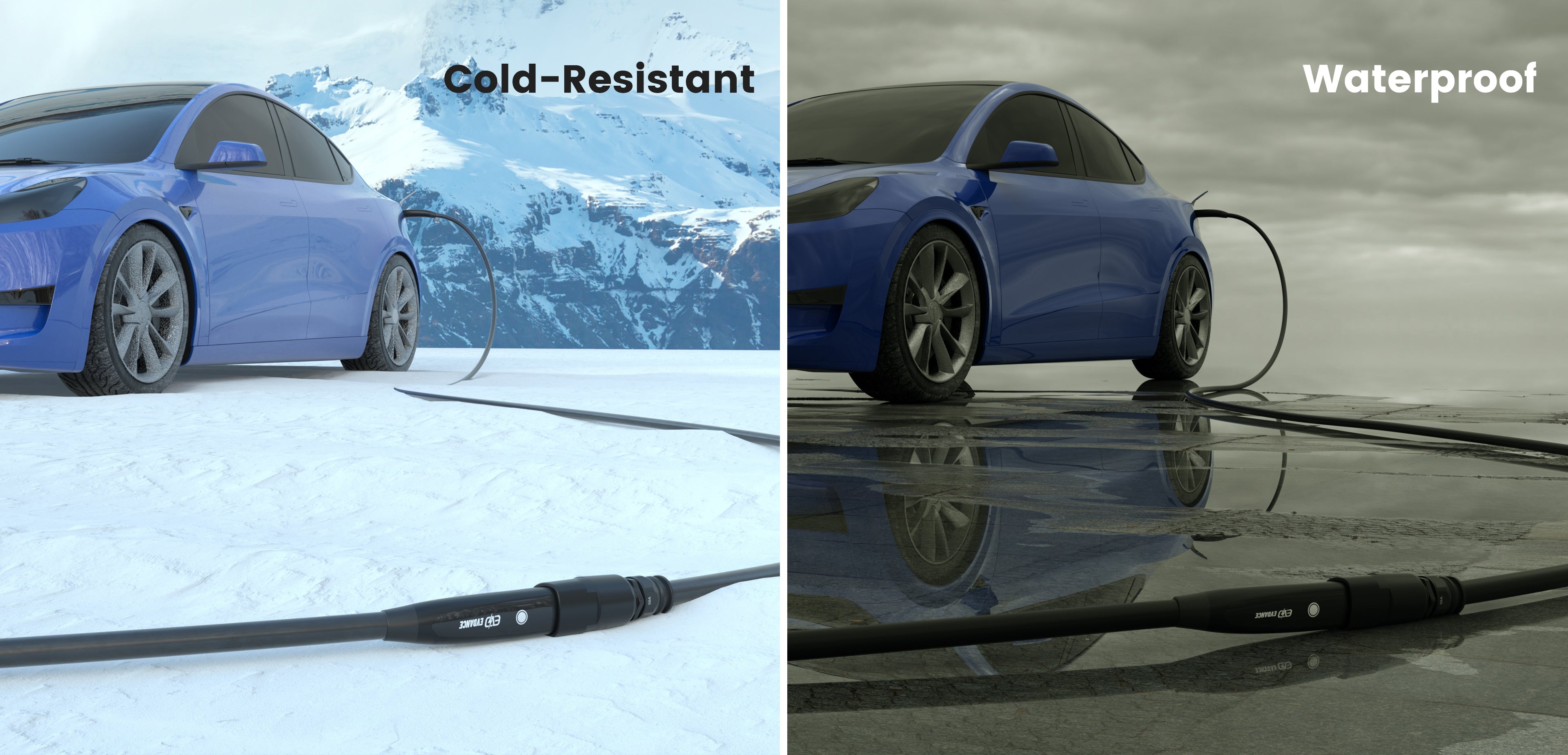
What UL Recognized Means for Your EV Extension Cable: Safety You Can Trust
EV extension cables lack full UL product certification, but UL Recognized components still play a critical safety role. This article explains what UL Recognized means and why EVDANCE uses it to ensure safer, more reliable EV charging.
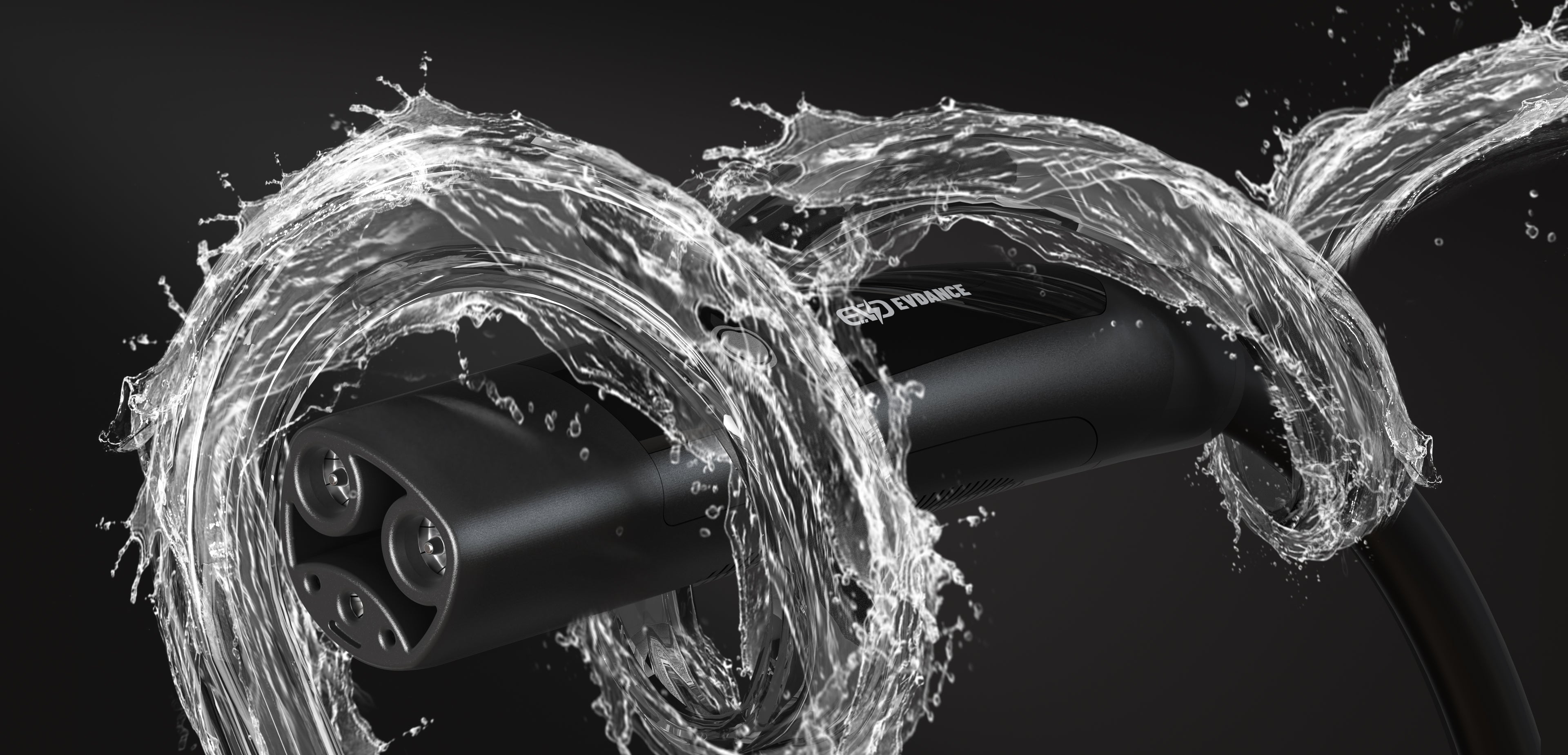
Why EV Extension Cables Don’t Have Full UL Certification
EV extension cables often raise UL certification questions. This article explains why no full UL standard exists for the category, how UL Recognized cables improve safety, and why EVDANCE designs its cables around proven electrical compliance.
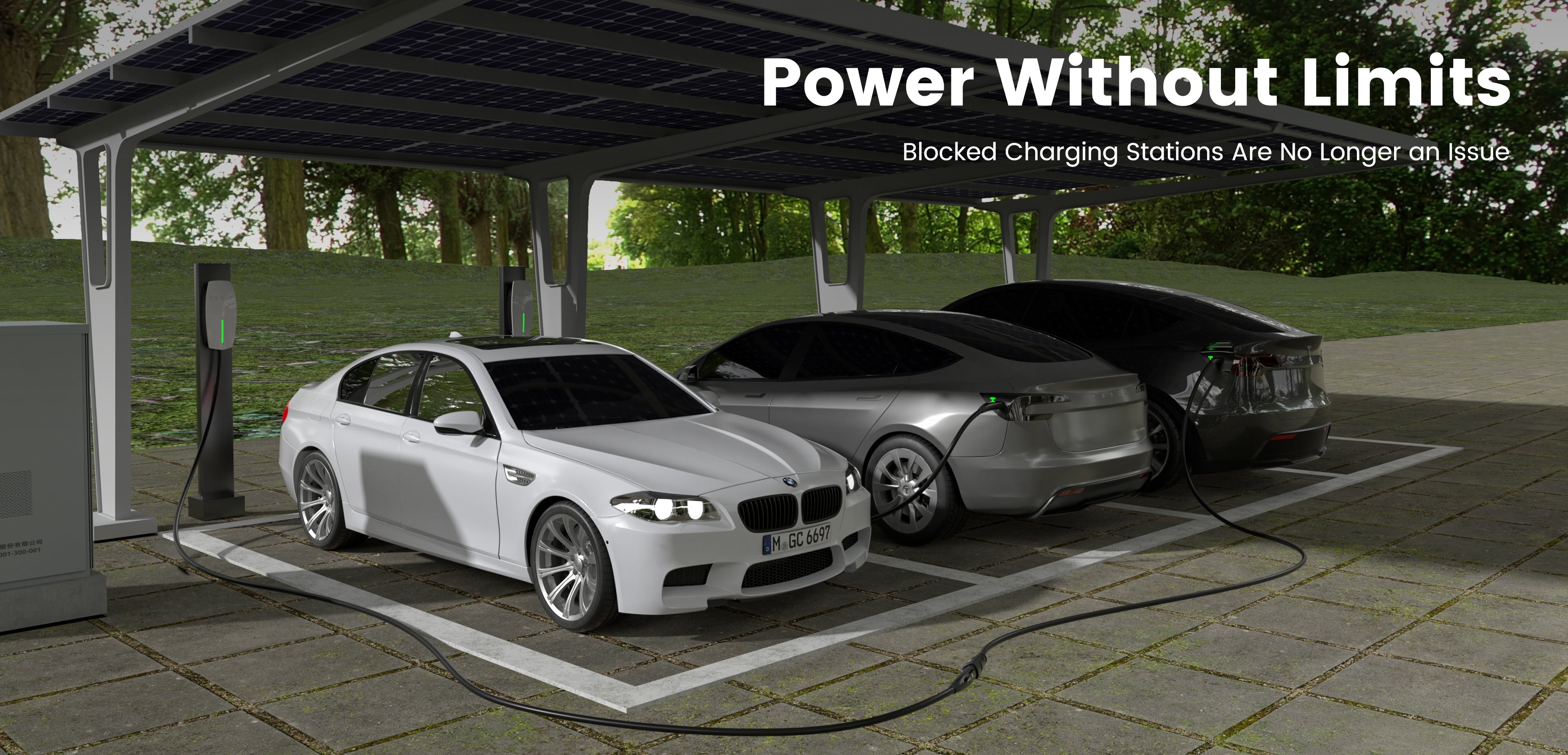
EVDANCE vs. Cheap EV Extension Cables: Don’t Compromise on Safety
Cheap EV extension cables may seem convenient, but inferior materials and missing certifications pose safety risks. This article explains why EVDANCE cables deliver safer, more reliable charging—and why cutting corners backfire.
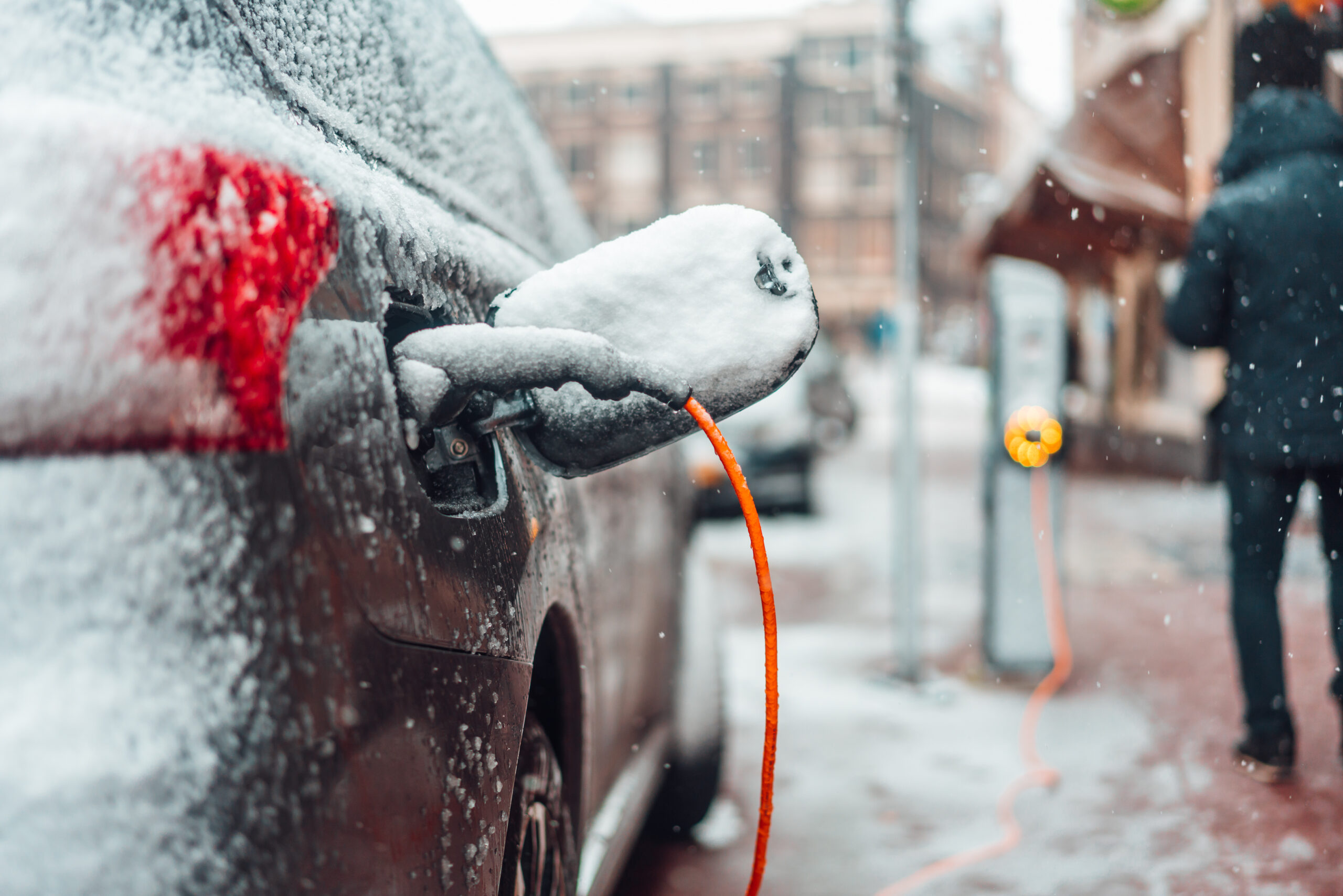
How to Prepare Your EV for Winter Storms: Practical Tips Every Owner Should Know
Winter storms can reduce EV range and charging speed, but proper preparation makes a major difference. This guide explains how cold affects EVs and offers practical tips for charging, preconditioning, traction, and winter safety.
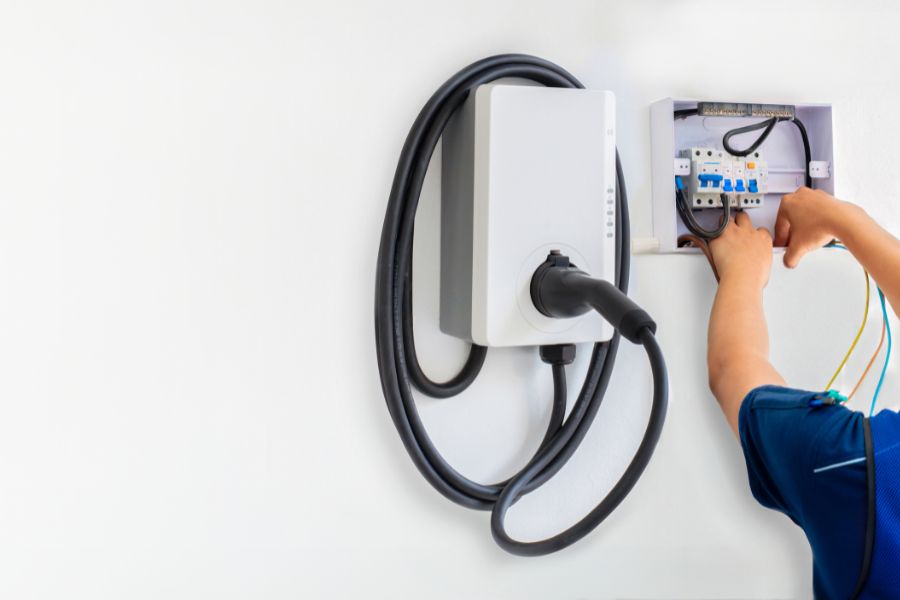
EV Extension Cable vs Fixed Charger: When You Really Need One
Fixed EV chargers are efficient but inflexible. This guide explains when an EV extension cable makes sense, how it avoids costly charger relocation, and why it offers a practical solution for real-world home charging setups.
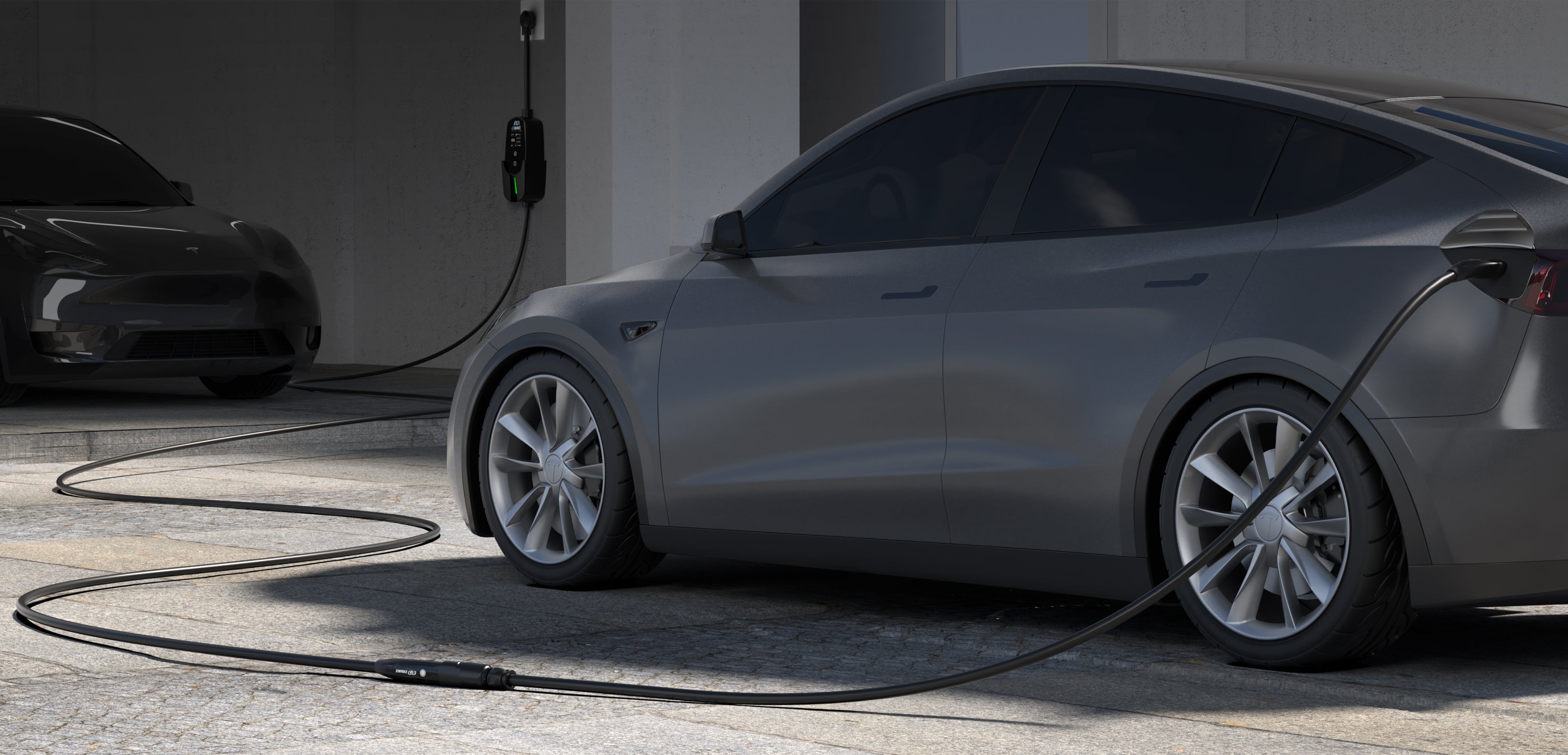
Maximizing Charging Efficiency in Multi-Car Households
Multi-car households often struggle with EV charging logistics, from constant car shuffling to guest vehicles. Extension cables help bridge distance, reduce friction, and make shared home charging more practical.
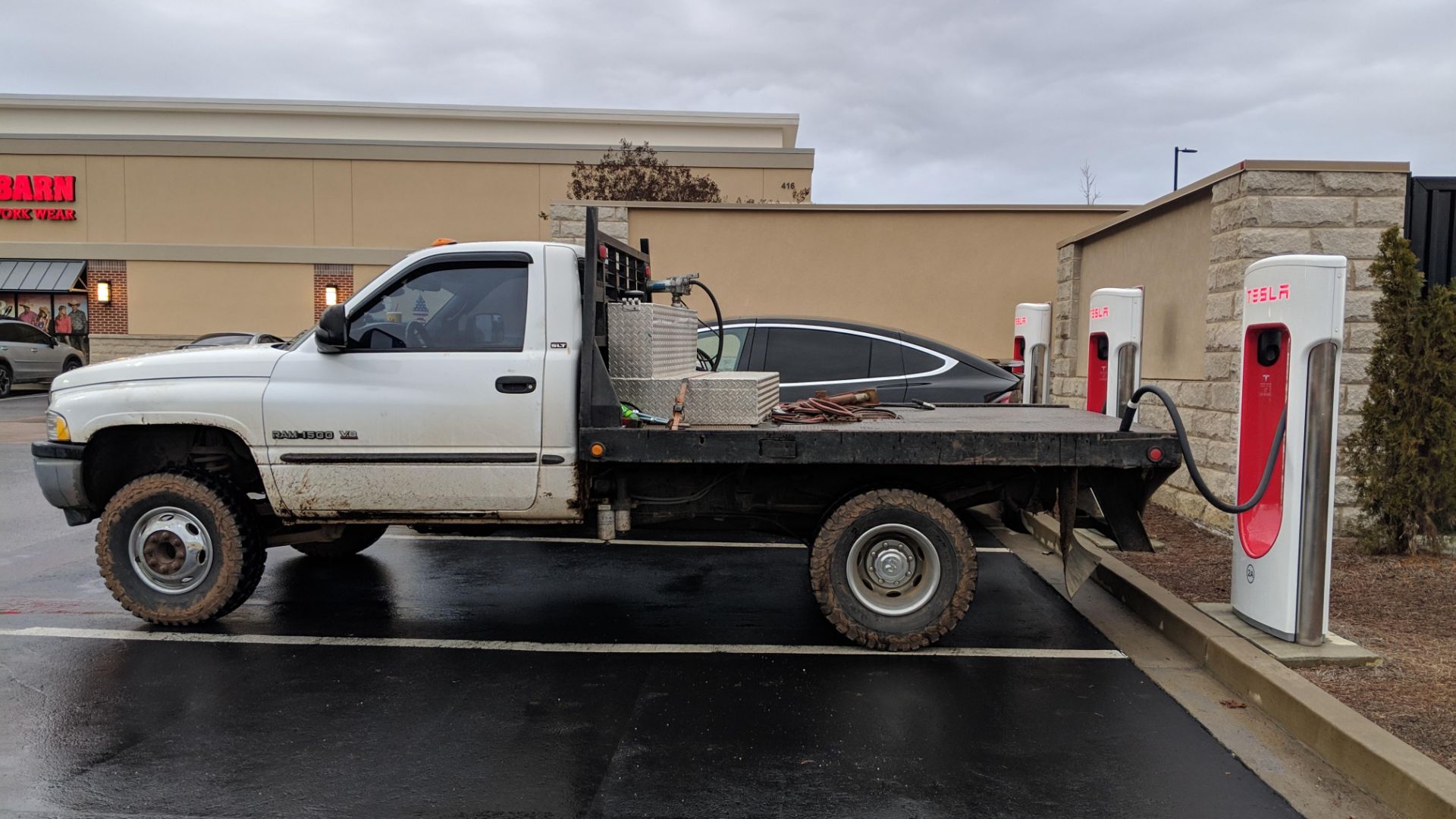
Travel Charging Made Easy: How an EV Extension Cable Can Help
EV travel can be tricky when public chargers are blocked or poorly positioned. Using a certified Level 2 extension cable allows safe, flexible charging at hotels, Airbnbs, or shared stations, making road trips stress-free.