


Legal Dispute Emerges Over Scout’s Sales Strategy
A growing legal conflict is unfolding inside the Volkswagen Group network as several dealers challenge the sales strategy of Scout Motors, the company’s newly revived electric vehicle brand. Two Volkswagen retailers based in Connecticut and New York have filed a class-action lawsuit claiming that Scout’s plan to sell vehicles directly to customers violates long-standing dealer agreements.
The lawsuit argues that Scout should not be treated as a completely separate entity. According to the complaint, the brand is effectively an extension of Volkswagen, and therefore vehicles produced under the Scout name should be distributed through the existing dealer network. By bypassing dealerships entirely, the plaintiffs say they are being excluded from selling a new generation of vehicles tied to the Volkswagen group.
Dealers involved in the case claim the strategy could significantly affect their businesses. They argue that access to new products is a key part of the franchise system and that preventing dealerships from participating in the launch of these vehicles could lead to lost revenue and reduced competitiveness.

Dealers Claim Contractual Violations
The legal filing centers on whether Scout’s direct-to-consumer sales model conflicts with agreements between Volkswagen and its franchised retailers. According to the complaint, the dealers believe that Volkswagen is effectively sidestepping contractual obligations by operating Scout as a separate company.
The lawsuit states that Scout is closely tied to Volkswagen’s corporate structure and resources. Because of this relationship, the plaintiffs argue the automaker should be required to distribute Scout vehicles through its dealership network just like other Volkswagen products.
Dealers say the move prevents them from participating in what they describe as a major technological shift toward electric vehicles. By excluding them from selling these new models, the plaintiffs claim they are being denied the opportunity to benefit from demand for cutting-edge EV technology.
A Broader Wave of Legal Challenges
The Connecticut and New York case is only the latest development in a series of legal battles surrounding Scout’s distribution plans. Dealers across multiple states have already attempted to block the brand’s direct sales approach.
Earlier this year, a group of retailers filed a lawsuit in Colorado challenging the state’s decision to grant Scout a dealer license. Their argument focuses on the company’s plans to sell extended-range electric vehicles, which include a small gasoline generator used to recharge the battery. Dealers claim this configuration means Scout should not qualify for regulatory exemptions often granted to purely electric manufacturers.
Similar legal challenges have also been filed in California and Florida, where dealers are attempting to stop Scout from operating outside traditional franchise rules. These cases highlight a wider tension in the automotive industry as new EV brands adopt modern retail strategies that differ from the conventional dealership system.
Scout Maintains It Operates Independently
While the lawsuits continue, Scout Motors has maintained that it functions independently from Volkswagen’s established dealership network. A company spokesperson declined to comment directly on the current litigation but reiterated the brand’s official position.
According to the company, Scout was created as a separate operation within the broader Volkswagen Group structure. The spokesperson stated that the brand operates independently from Volkswagen Group of America and from the company’s franchised dealers.
This distinction is central to Scout’s argument. If the brand is legally recognized as separate, it may be able to adopt its own retail strategy without being bound by Volkswagen’s dealership agreements.
Direct Sales Become Increasingly Common
Scout’s approach reflects a broader trend across the EV industry. Several younger manufacturers—including Tesla, Rivian, and Lucid Motors—have successfully built their businesses using direct-to-consumer sales instead of franchised dealerships.
Supporters of this model say it offers customers simpler pricing, consistent purchasing experiences, and a more streamlined buying process. Instead of negotiating at dealerships, buyers typically order vehicles online or visit company-owned showrooms.
Other newcomers are moving in a similar direction. Afeela, the joint automotive venture created by Sony and Honda, has also indicated that it intends to sell vehicles through company-controlled retail locations rather than traditional dealers. These decisions have intensified debate within the industry over whether the long-standing franchise system can adapt to the EV era.
Scout’s Product Plans Continue
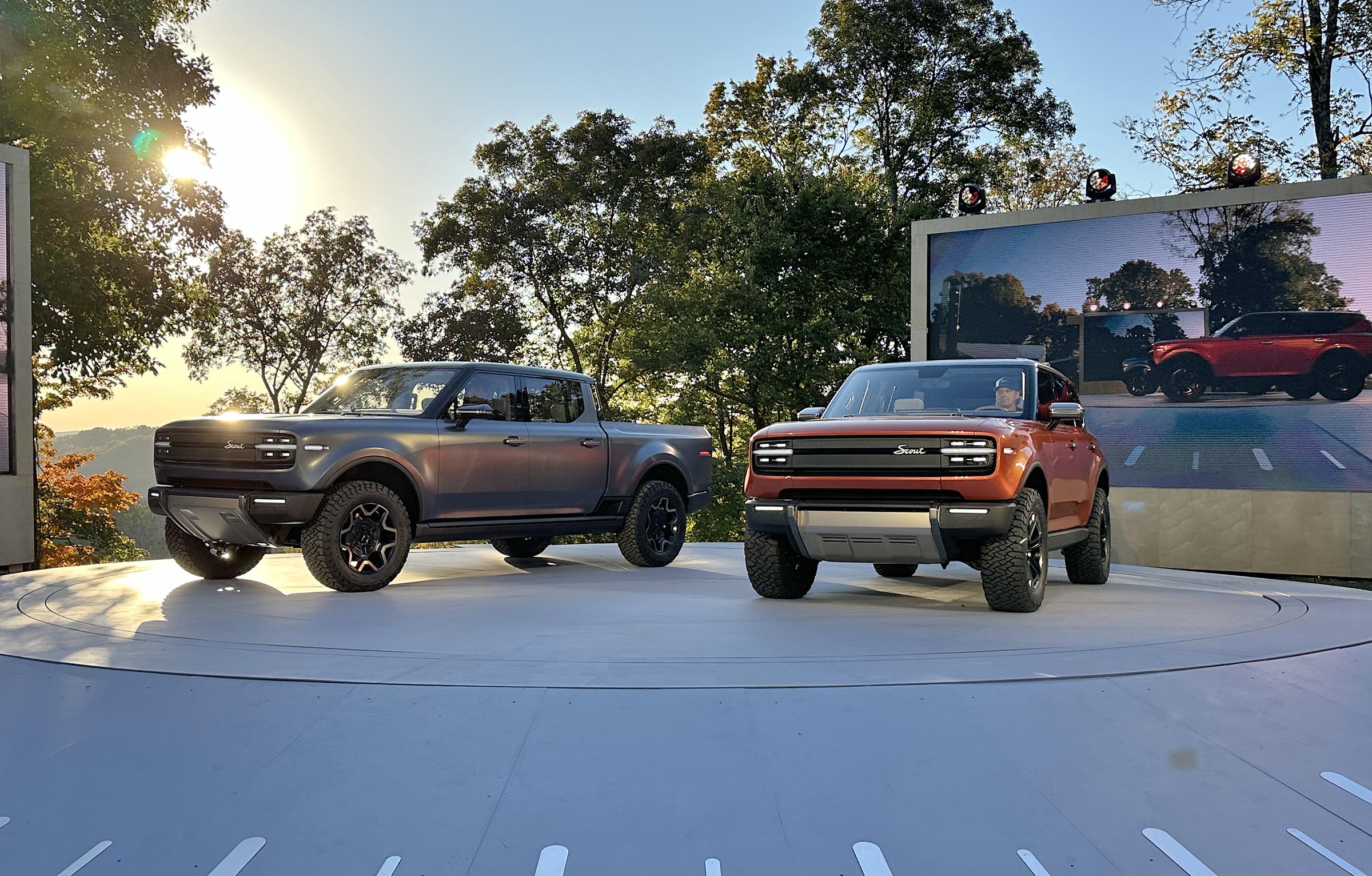
Despite the legal challenges, Scout Motors is continuing preparations for its upcoming vehicle lineup. The company plans to introduce electric pickup trucks and SUVs designed for off-road capability.
Two models—the Terra pickup and the Traveler SUV—are expected to lead the brand’s launch. Both vehicles will be built at a new manufacturing facility currently under construction in South Carolina.
Scout intends to begin delivering its vehicles in the near future, offering both fully electric versions and extended-range configurations. Whether the brand will be able to maintain its direct sales strategy while facing multiple lawsuits remains uncertain.

A Test Case for the Future of EV Retail
The outcome of these legal battles could have implications beyond a single brand. If Scout successfully defends its approach, other automakers may feel encouraged to experiment with new retail models. On the other hand, a ruling favoring dealers could reinforce the role of franchise networks in the transition to electric mobility.
For now, the dispute highlights a deeper transformation taking place across the auto industry. As electric vehicles reshape manufacturing and technology, they are also forcing companies to reconsider how cars are sold—and who gets to sell them.
Recommend Reading: How Volkswagen Reached 2 Million EV Sales Worldwide


Partager:
Study Ranks Automakers by Environmental Impact of EV Production
BYD Introduces 1.5 MW EV Chargers That Add Hundreds of Miles in Minutes