






Blog

Why Rising Negative Equity Is Straining U.S. Car Buyers
Nearly 29.3% of U.S. car buyers trading in vehicles now carry negative equity, averaging $7,214 in debt above value. Rising car prices, long loans, and higher expectations are pushing buyers deeper into auto debt.
Plussur Why Rising Negative Equity Is Straining U.S. Car Buyers
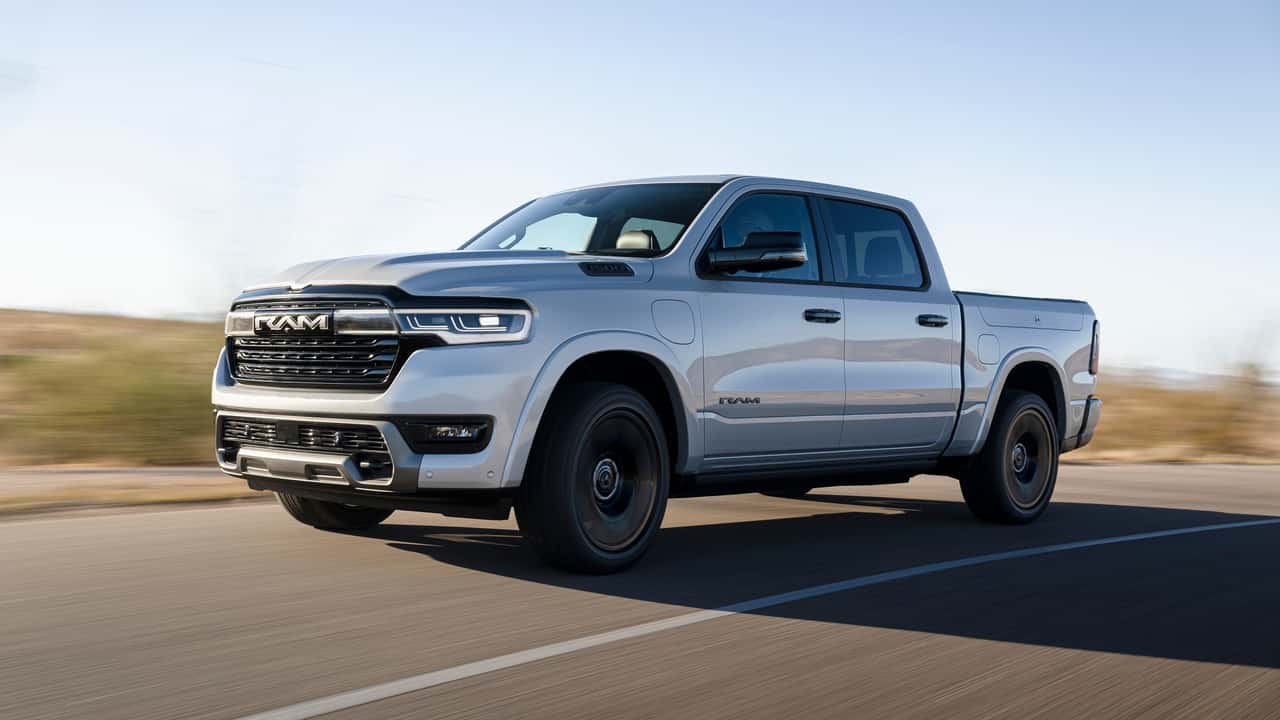
Extended-Range Electric Vehicles Headed to the U.S. Market
Automakers are reviving extended-range EVs to balance electrification with real-world driving needs. New EREV pickups and SUVs promise long total range, EV-style driving, and flexibility as charging and incentives remain uneven.
Plussur Extended-Range Electric Vehicles Headed to the U.S. Market
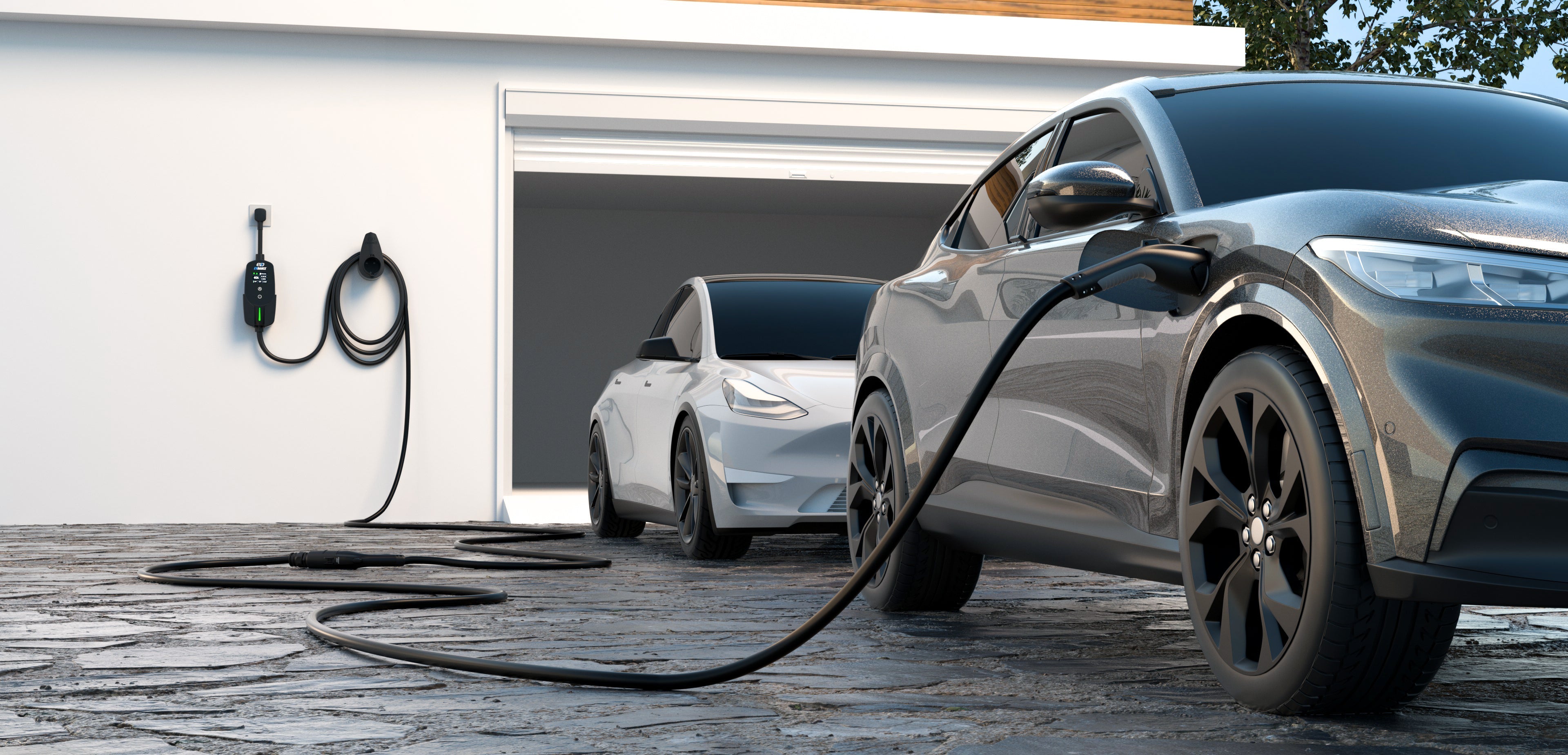
Ev Extension Cable Buying Guide: Length, Standards, And Key Considerations
This guide explains how to choose a high-quality EV extension cable, covering length, charging standards, amperage, safety ratings, and real-world use tips to help first-time buyers avoid common mistakes and charge safely with confidence.
Plussur Ev Extension Cable Buying Guide: Length, Standards, And Key Considerations
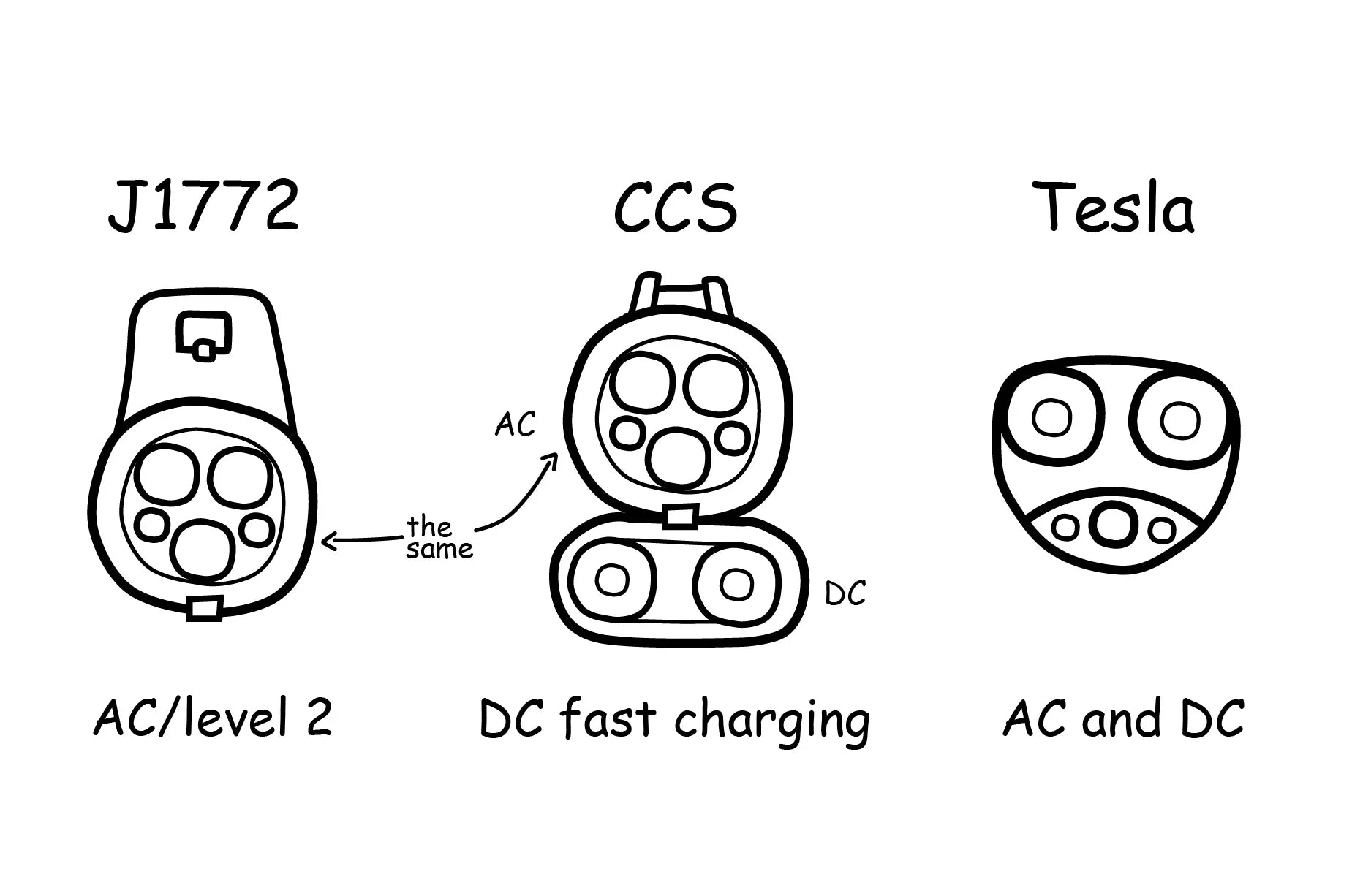
NACS vs J1772 Extension Cables: Which One Should You Choose?
Choosing the right EV extension cable matters. J1772 fits most legacy EVs, while NACS is becoming North America’s standard, offering future-proofing, flexibility, and broader compatibility.
Plussur NACS vs J1772 Extension Cables: Which One Should You Choose?
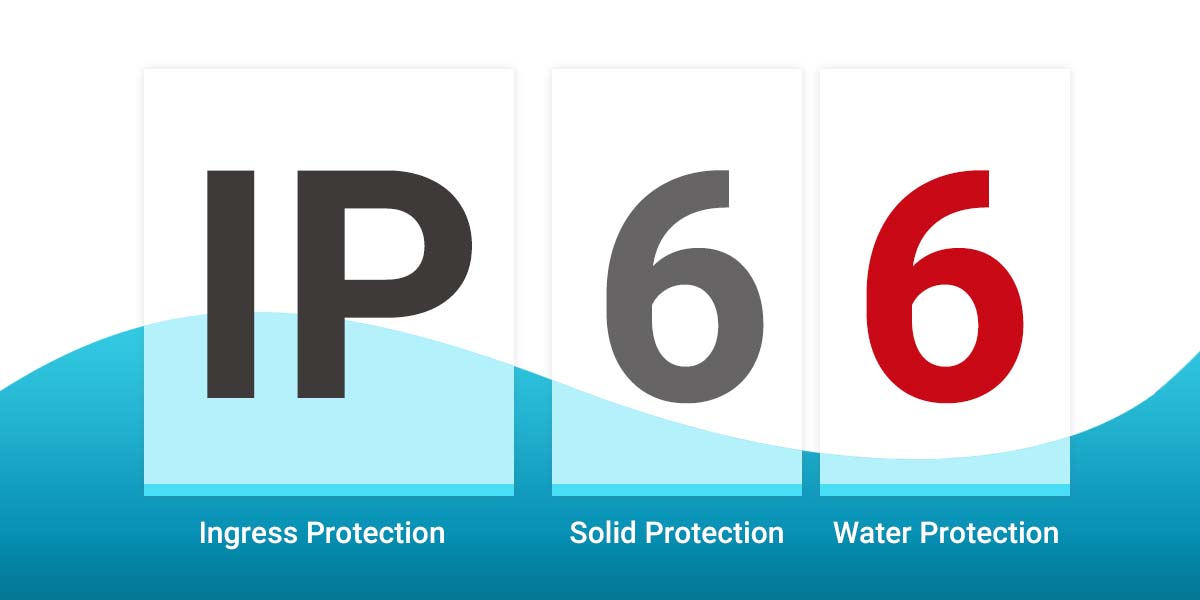
How IP66 Waterproofing Keeps Your EV Extension Cable Safe Outdoors
IP66 waterproofing helps EV extension cables resist dust and heavy rain, making outdoor charging safer. This guide explains how IP66 works, what it protects against, and why safe use still matters.
Plussur How IP66 Waterproofing Keeps Your EV Extension Cable Safe Outdoors
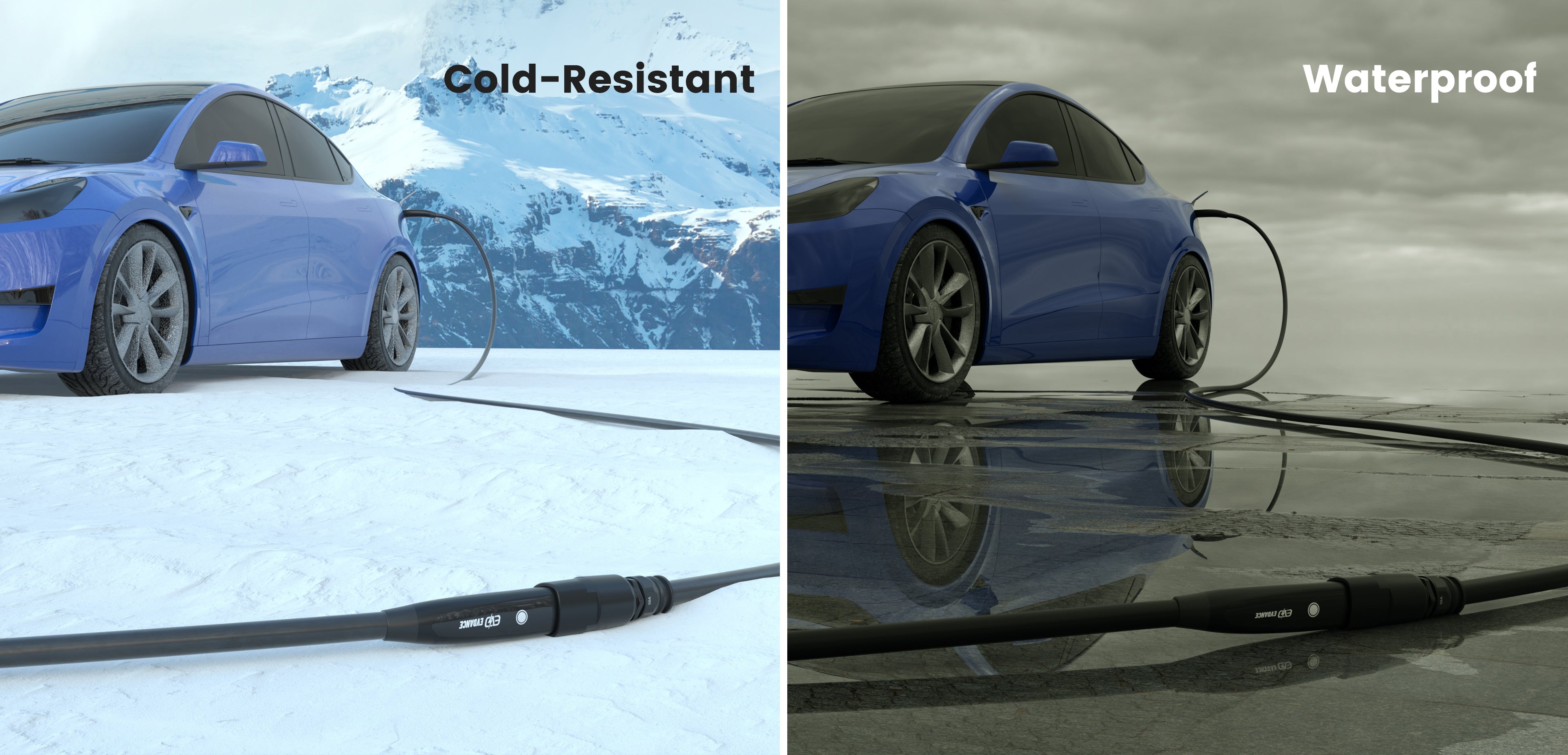
What UL Recognized Means for Your EV Extension Cable: Safety You Can Trust
EV extension cables lack full UL product certification, but UL Recognized components still play a critical safety role. This article explains what UL Recognized means and why EVDANCE uses it to ensure safer, more reliable EV charging.
Plussur What UL Recognized Means for Your EV Extension Cable: Safety You Can Trust
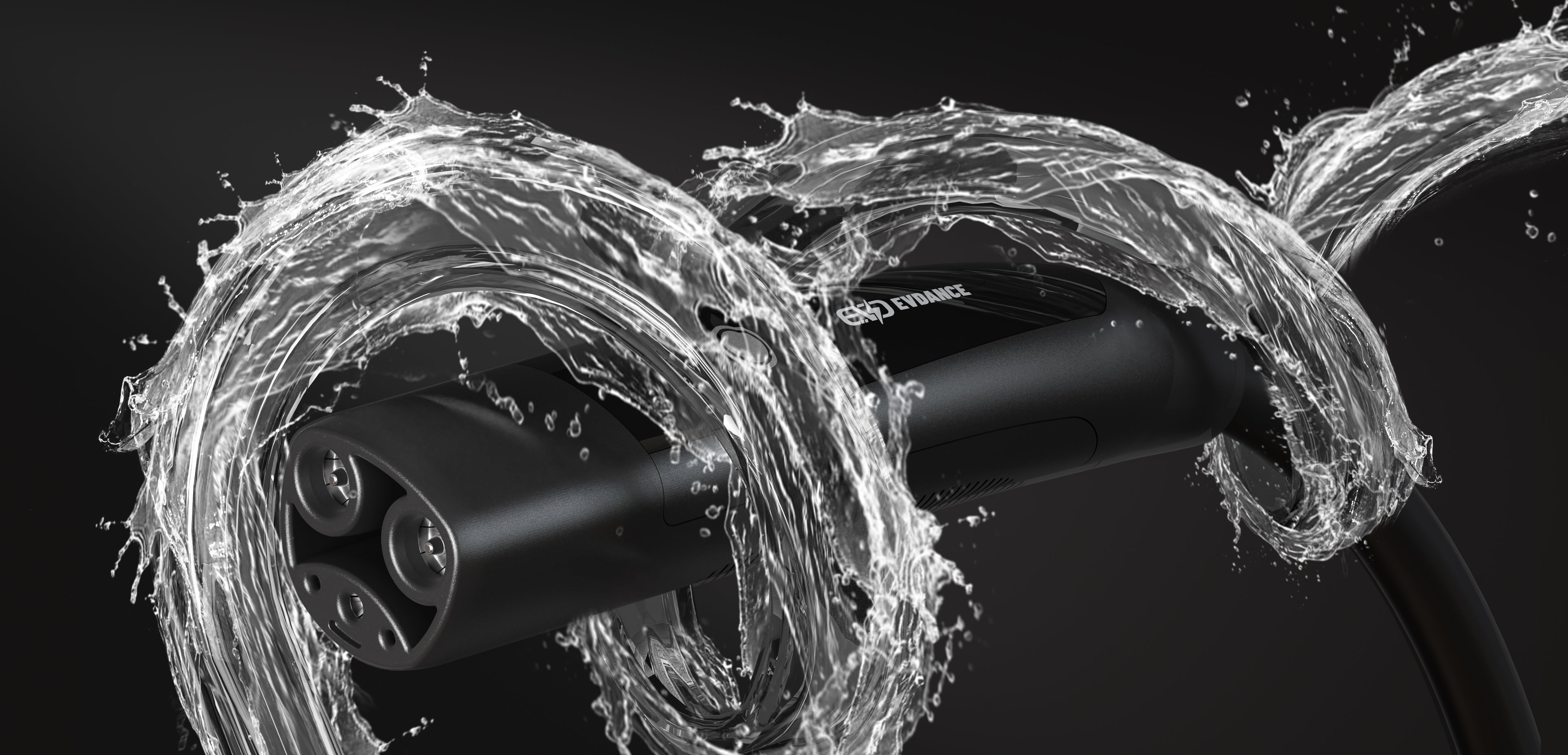
Why EV Extension Cables Don’t Have Full UL Certification
EV extension cables often raise UL certification questions. This article explains why no full UL standard exists for the category, how UL Recognized cables improve safety, and why EVDANCE designs its cables around proven electrical compliance.
Plussur Why EV Extension Cables Don’t Have Full UL Certification
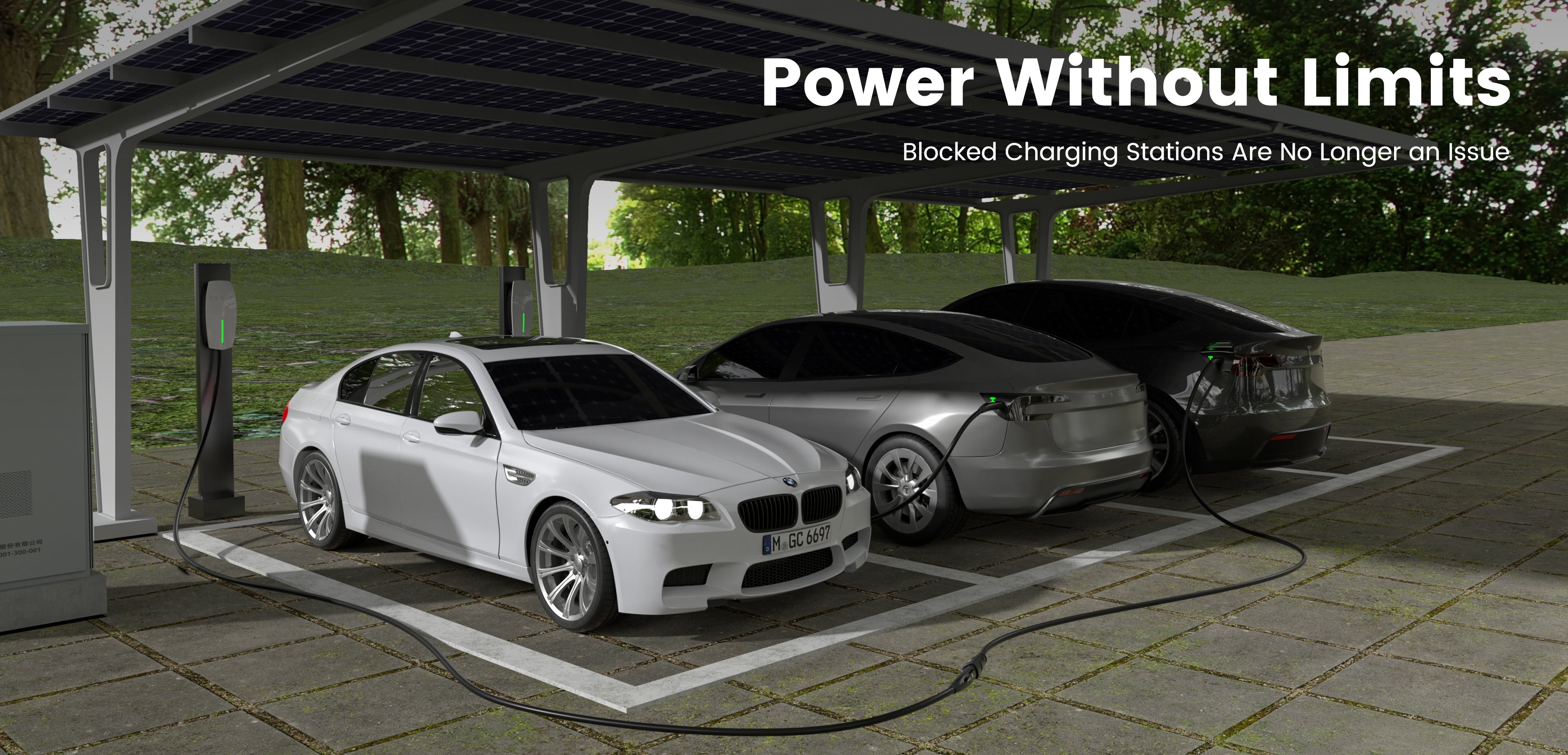
EVDANCE vs. Cheap EV Extension Cables: Don’t Compromise on Safety
Cheap EV extension cables may seem convenient, but inferior materials and missing certifications pose safety risks. This article explains why EVDANCE cables deliver safer, more reliable charging—and why cutting corners backfire.
Plussur EVDANCE vs. Cheap EV Extension Cables: Don’t Compromise on Safety
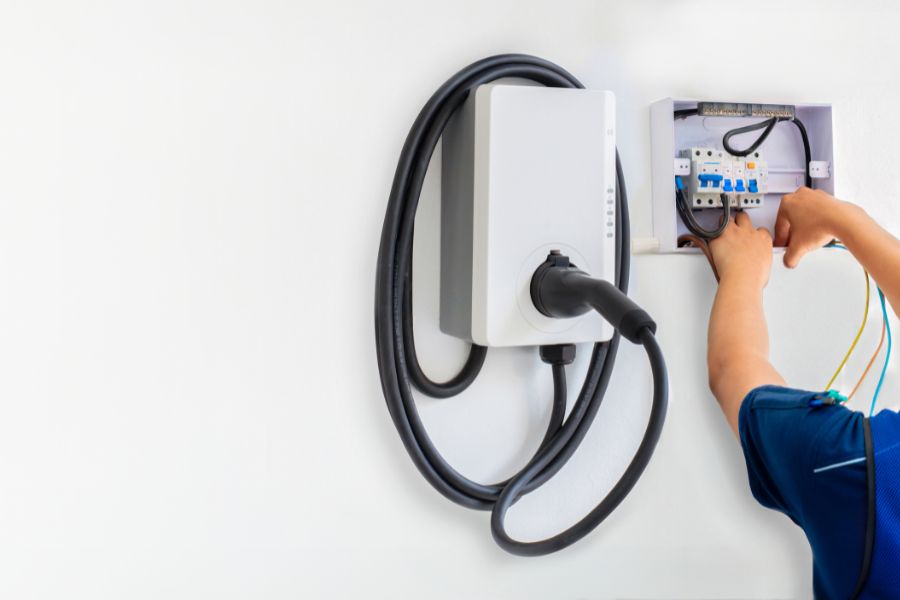
EV Extension Cable vs Fixed Charger: When You Really Need One
Fixed EV chargers are efficient but inflexible. This guide explains when an EV extension cable makes sense, how it avoids costly charger relocation, and why it offers a practical solution for real-world home charging setups.
Plussur EV Extension Cable vs Fixed Charger: When You Really Need One