





Why Automakers Are Reconsidering Full Electrification
As the U.S. auto market adjusts to higher prices and a less generous incentive environment, manufacturers are increasingly exploring alternatives to fully battery-powered vehicles. With the $7,500 federal EV tax credit becoming harder to qualify for, consumer demand has shifted toward options that balance electrification with everyday practicality.
One response gaining momentum is the extended-range electric vehicle (EREV). These models drive exclusively on electric motors but carry a gasoline engine that functions only as an onboard generator. The wheels are never mechanically linked to the engine, preserving an EV-like driving experience while removing many charging-related concerns.
How EREVs Fit Between EVs and Hybrids
EREVs promise most of the advantages of battery-electric vehicles—quiet operation, instant torque, and lower local emissions—without relying entirely on charging infrastructure. When charging stations are unavailable or inconvenient, drivers can refuel conventionally and continue driving as the generator replenishes the battery.
Like plug-in hybrids, many EREVs support external charging. However, their appeal lies in flexibility rather than maximum efficiency. Real-world emissions depend heavily on how often owners plug in, a variable that has historically limited the environmental benefits of plug-in hybrids.
While the concept is not new—earlier examples include the BMW i3 REx and the original Fisker Karma—the technology is returning with renewed urgency as automakers recalibrate EV strategies amid slower-than-expected adoption.
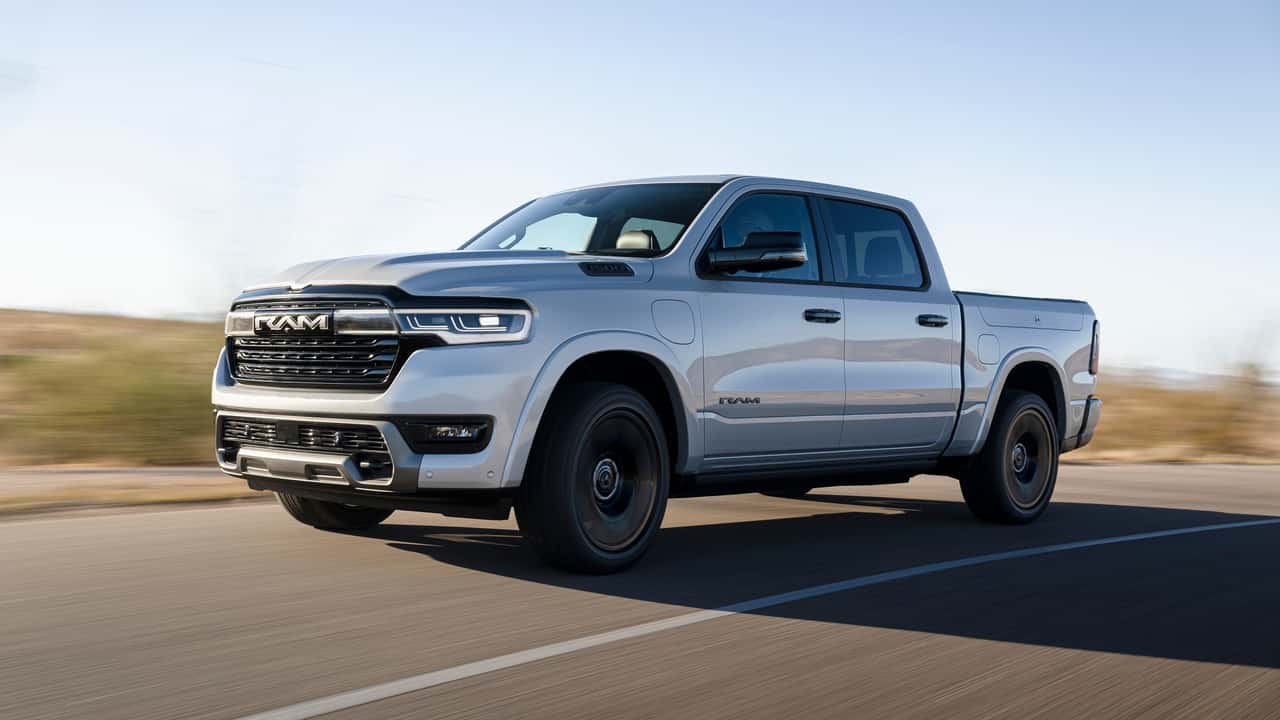
Ram 1500 REV: A Full-Size Pickup Goes Electric-First
One of the most ambitious upcoming EREVs is the Ram 1500 REV, scheduled for production in the second half of 2026 as a 2027 model year vehicle. Originally conceived as a fully electric truck, the program was redirected after Stellantis concluded that U.S. demand for electric pickups remained limited.
The Ram 1500 REV features a 92 kWh battery paired with two electric drive units—one front and one rear—delivering a combined 647 horsepower and 610 lb-ft of torque. On battery power alone, the truck is expected to travel roughly 145 miles.
A 3.6-liter V6 engine powers a generator capable of extending total driving distance to approximately 690 miles. Fast charging remains available via a CCS port, with DC charging rates up to 145 kW, adding meaningful electric range in short stops. Pricing has not been announced, though it is expected to exceed most gasoline-powered Ram trims.

Scout Terra and Traveler: Heritage Branding Meets New Tech
Scout Motors, revived under the Volkswagen Group, plans to launch the Terra pickup and Traveler SUV with EREV variants beginning in 2027. Production will take place at a newly built facility in South Carolina, reinforcing the brand’s American identity.
According to Scout CEO Scott Keogh, both models will use a ~63 kWh lithium-iron-phosphate battery, enabling around 150 miles of electric driving. A naturally aspirated four-cylinder engine mounted near the rear axle provides additional energy, pushing total range close to 500 miles.
Scout will also offer fully electric versions with significantly larger battery packs, but Keogh has said that roughly 85% of reservation holders prefer the EREV configuration, signaling strong demand for this hybrid approach. Entry pricing is expected to start below $60,000, though final figures remain unconfirmed.

Jeep Grand Wagoneer: Range Extension for the Luxury Segment
Stellantis is also applying its range-extender system to the Jeep Grand Wagoneer, which may arrive as early as 2026. Jeep has positioned the model as a milestone product, emphasizing its role in bridging luxury and electrification.
Using the same basic architecture as the Ram, the Grand Wagoneer EREV combines a 92 kWh battery with dual electric motors for output exceeding 640 horsepower. Jeep estimates total range at more than 500 miles, though detailed electric-only figures have yet to be released.
Acceleration is expected to be brisk for a vehicle of its size, with a claimed 0–60 mph time of around five seconds, making it the quickest Grand Wagoneer variant to date.

Hyundai and Genesis: Shared Technology, Different Audiences
The Hyundai Motor Group plans to introduce EREV SUVs under both the Hyundai and Genesis brands starting in 2027, with U.S. production beginning by late 2026. According to Hyundai Motor CEO Jae Hoon Chang, the system relies on two electric motors, with a gasoline engine used strictly for energy generation.
The layout allows electric-only propulsion at all times, while targeting a combined driving range of over 560 miles. Hyundai has indicated that these EREV models will be priced below comparable EVs, while Genesis will position its version as a more premium offering.
Combined production capacity for the two brands is projected at 80,000 units annually in the U.S., with additional output planned for China.

Ford and Kia: Plans Still Taking Shape
Ford has confirmed that an EREV version of the F-150 Lightning is in development, though timing remains unclear. The new model is expected to exceed 700 miles of total range, addressing one of the Lightning’s key shortcomings: reduced towing distance. This version will replace Ford’s canceled next-generation EV truck program.
Kia is also developing a range-extender system built around a 2.5-liter gasoline engine, though details are sparse. Industry reports suggest the Telluride SUV could be the first Kia to adopt the technology.

What the Return of EREVs Signals
The renewed interest in extended-range EVs reflects a pragmatic shift in the industry. As infrastructure gaps, cost pressures, and consumer hesitation persist, EREVs offer a transitional solution that blends electrification with familiarity. Whether they become a lasting category or a temporary bridge remains an open question—but their growing presence in future product plans is unmistakable.
Recommend Reading: BMW Reportedly Considering Range-Extending Gas Engines for Large EVs










Share:
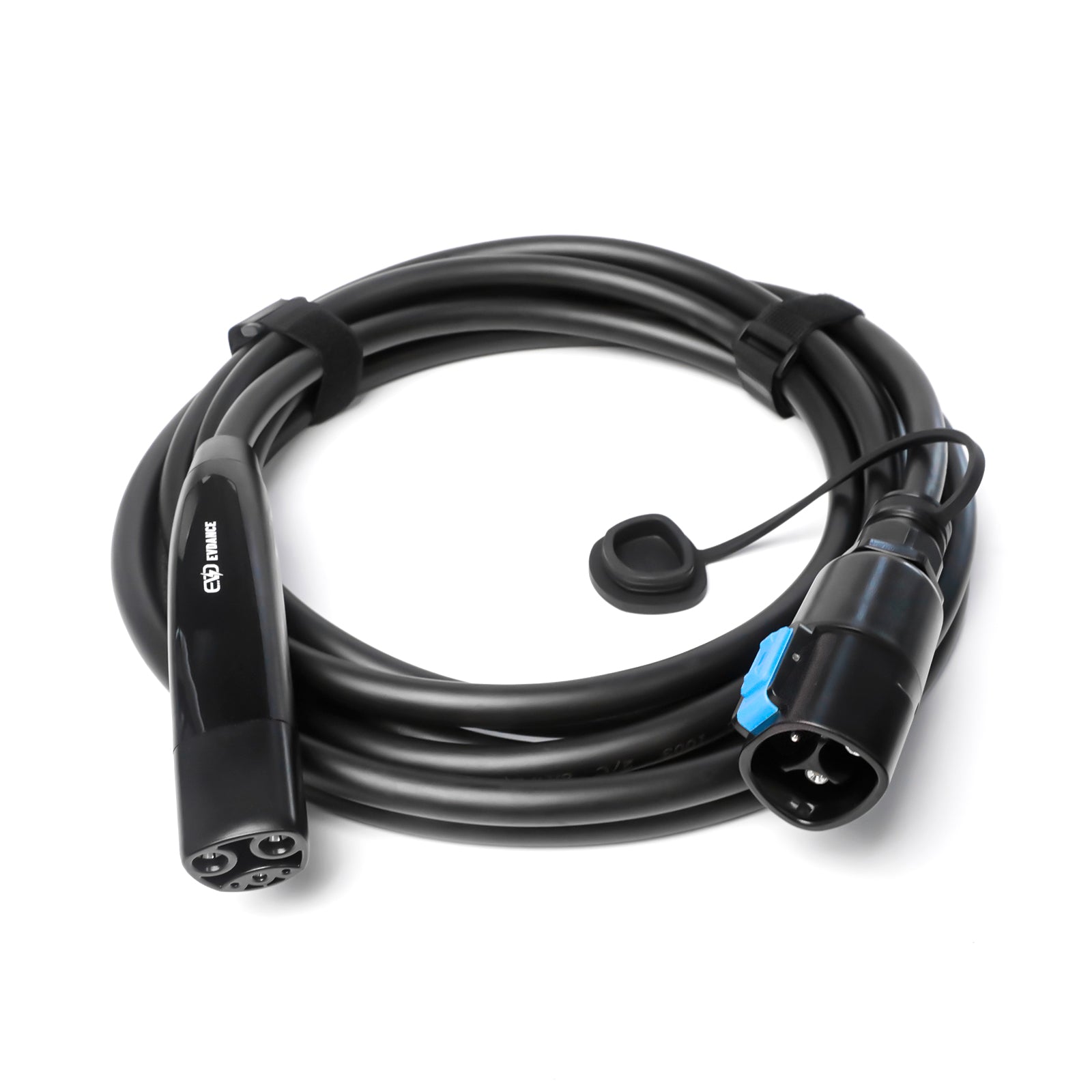
Ev Extension Cable Buying Guide: Length, Standards, And Key Considerations
Ferrari’s First Electric Supercar Reveals a Radical Interior Direction