





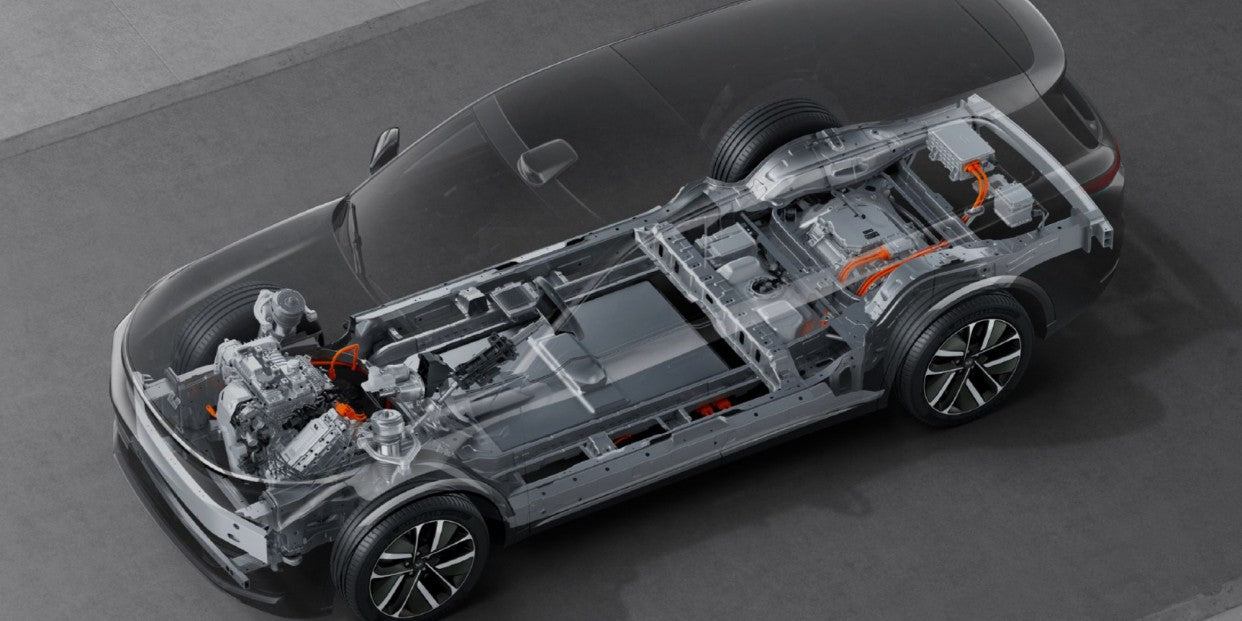
Extended-range electric vehicles (EREVs) and plug-in hybrids (PHEVs) were once seen as transitional technologies, bridging the gap between gasoline-powered cars and fully electric vehicles. They offered buyers the best of both worlds: electric driving for daily use and a gasoline engine as a backup for long trips or heavy-duty needs.
However, rapid advancements in battery technology and charging infrastructure may soon make these vehicles unnecessary.

The Shift in Chinese EV Market Trends
China is currently the world’s largest electric vehicle market and often sets the pace for global EV adoption. Recent data highlights a dramatic shift from EREVs to pure battery-electric vehicles (BEVs).
In November 2024, 57% of EV buyers chose fully electric vehicles, while 43% opted for EREVs. By November 2025, those numbers had changed significantly: 73% of buyers purchased BEVs, leaving only 27% for range-extender models. This shows a clear move away from vehicles relying on onboard gasoline generators.
The reason is simple: China’s charging network is expanding rapidly, making long-distance electric travel increasingly practical. Today, the country has over 19 million active charging stalls, a 52% increase over 2024. This equates to roughly two chargers for every five EVs, covering both urban centers and suburban routes. Some public chargers now provide up to 1 megawatt of power, capable of charging compatible EVs in as little as five minutes.

Battery Improvements Are Driving Change
Battery technology is advancing at a pace that makes EREVs less compelling. Modern EVs increasingly offer 300–400 miles of range, and next-generation solid-state batteries promise even faster charging and higher energy density.
As battery costs fall, pure BEVs are becoming more affordable than hybrids or range-extended models. The declining cost, combined with longer range and fast-charging capabilities, reduces the need for onboard gasoline engines.
Even in 2025, some Chinese automakers continued to launch new EREVs, but overall sales growth is slowing. EREV sales rose 218% in 2021, 130% in 2022, and 70.9% in 2023, demonstrating a tapering trend as pure EVs gain market share.

Urban vs. Rural Use Cases
EREVs still have a role for buyers outside major cities where charging infrastructure is limited. Drivers in remote areas benefit from a gasoline generator as a backup, alleviating range anxiety and allowing longer trips without worrying about finding a charger.
For urban and suburban residents, however, EREVs offer diminishing returns. With dense charging networks and fast-charging stations widely available, BEVs can meet nearly all daily driving and commuting needs.
This divide is likely to influence global trends, as regions with well-developed charging infrastructure will see fewer hybrids and range-extender vehicles, while less urbanized areas may continue using them for some time.
Western Automakers and EREVs
Western manufacturers are cautiously exploring EREVs, recognizing that consumer preferences vary by region.
-
Scout Motors reported more interest in its Harvester EREV trucks than the pure EV versions.
-
BMW is considering adding combustion engines to its largest EVs.
-
Ford briefly explored an EREV F-150 Lightning after canceling the pure electric variant.
-
Hyundai and Genesis plan to launch EREV models alongside non-plug-in hybrids.
In the U.S., the upcoming Jeep Grand Wagoneer EREV will feature a 92-kilowatt-hour battery and a V6 engine to extend range. However, with only 150 miles of pure electric driving, the combination of a large battery and gasoline engine adds weight, reducing efficiency and performance.
These examples show that automakers are hedging their bets, offering EREVs for buyers who still value gasoline backup while also advancing pure EV technology.

Global Divergence in EV Adoption
The global EV market is diverging:
-
China: Rapid adoption of BEVs as charging networks and battery technology reduce reliance on gasoline engines.
-
Europe: Still favors plug-in hybrids, but will gradually move toward pure EVs as costs drop and ranges increase.
-
United States: Early-stage adoption of EREVs, especially for trucks and SUVs, where range anxiety remains a concern.
Over time, falling battery costs, longer ranges, and faster chargers are expected to make EREVs less relevant worldwide, except in regions where infrastructure lags.

The Road Ahead
Extended-range EVs were once a necessary stepping stone toward full electrification, but the pace of technological advancement is shortening their relevance. Pure BEVs now offer longer ranges, fast charging, and lower total ownership costs, making them increasingly attractive to consumers.
While EREVs will continue to serve niche use cases—particularly in rural areas or for heavy-duty vehicles—the mainstream EV market is moving decisively toward all-electric vehicles. Automakers that adapt quickly to these trends are likely to lead in both sales and technological innovation over the next decade.
Recommend Reading: 2026 BMW i4 Delivers More Power, Extended Range, and Smarter Tech


Share:
Hyundai’s Push Toward Advanced Self-Driving: What Comes Next for the Automaker
2025 Ford Mustang Mach-E Review: Is It Still a Contender in 2026?