



Battery Lifespan Varies Widely Among Plug-In Hybrids
Just like in fully electric cars, plug-in hybrid (PHEV) batteries lose capacity over time, affecting driving range and overall value. A new analysis by Germany’s automobile club ADAC examined data from more than 28,000 PHEVs to see which models retain their battery health the longest—and which degrade faster. The findings reveal major differences between automakers, with some brands showing remarkable resilience while others lose charge far more quickly.

Why Battery Degradation Matters
PHEV batteries are expensive to replace. A severe drop in battery health can make repairs uneconomical, potentially turning a once-premium hybrid into a costly liability. Used-car buyers risk paying thousands for replacement packs if they don’t check a vehicle’s battery health first. That’s why ADAC’s findings carry real-world importance for anyone considering a pre-owned plug-in hybrid.
Mercedes Leads, Mitsubishi Lags
Among all tested brands, Mercedes-Benz performed the best. Its PHEVs lost capacity slowly and consistently, retaining almost 90% battery health even after 200,000 kilometers. Driving behavior—whether mostly electric or not—had little effect on overall degradation.
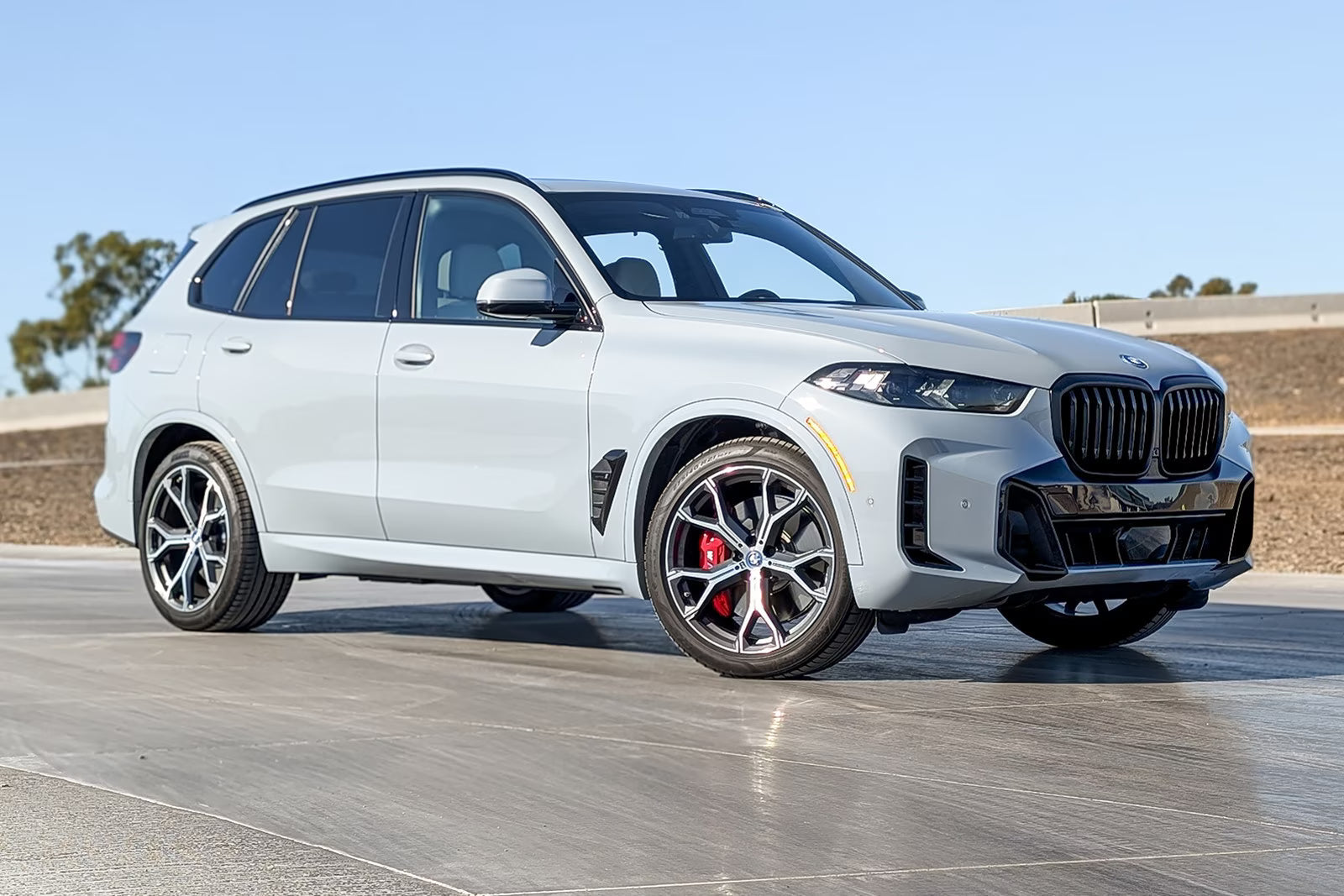
BMW showed a steeper, yet predictable, decline. Cars driven mostly on gasoline preserved more than 90% capacity at 200,000 km, while those frequently used in electric mode dropped to about 77%. Average mixed-use models kept roughly 85% capacity, though BMW’s data included many outliers.
By contrast, Mitsubishi fared the worst. Even hybrids rarely driven in EV mode lost over 20% capacity by 100,000 km, and those used heavily in electric mode fell below 70% capacity at 200,000 km. Ford’s plug-in hybrids also showed early-life degradation, with heavy EV users losing 10% capacity within the first 25,000 km.
Stable Mid-Range Performers: Volvo and Volkswagen
Volvo and Volkswagen PHEVs displayed what ADAC called “normal” battery wear. Even with more frequent charging and electric-only driving, these models typically retained around 85% battery health at 200,000 km. The data suggest their battery management systems are well-balanced between performance and longevity.

How to Protect a PHEV Battery
ADAC offers several guidelines to extend battery life:
-
Keep charge levels between 20% and 80% rather than fully depleting or charging to 100%.
-
Avoid fast charging when possible, as it can accelerate degradation.
-
Store the vehicle indoors to prevent exposure to extreme temperatures.
-
Avoid leaving the battery fully drained for long periods.
The group also advises buyers to request a battery health report when shopping for a used plug-in hybrid. ADAC suggests healthy batteries should retain about 92% capacity at 50,000 km, 88% at 100,000 km, and 80% at 200,000 km.
Should You Choose a PHEV or a Full EV?
If most of your trips are short and you regularly plug in, a PHEV can be an efficient bridge between gas and electric driving. But if you almost never charge it, the added weight and cost make it less efficient than a standard hybrid. ADAC notes that in such cases, a fully electric vehicle or non-plug-in hybrid may be a better option for both your wallet and the environment.
Battery Warranties Still Offer Peace of Mind
Many modern PHEVs still carry transferable battery warranties, offering reassurance to used-car buyers. Toyota provides up to 10 years or 150,000 miles of coverage for its Prime lineup, while BMW, Hyundai, and Ford offer eight years or 100,000 miles.
With battery health proving highly variable across brands, doing a pre-purchase battery check is now as important as inspecting the engine or brakes. For anyone considering a used plug-in hybrid, that simple step could save thousands in the long run.
Recommend Reading: Global EV Battery Boom Turns to Glut as Demand Slows


Share:
Used Teslas Are Selling Faster Than Gas Cars
Porsche and Hyundai Outperform Lucid in Real-World Long-Range EV Test