






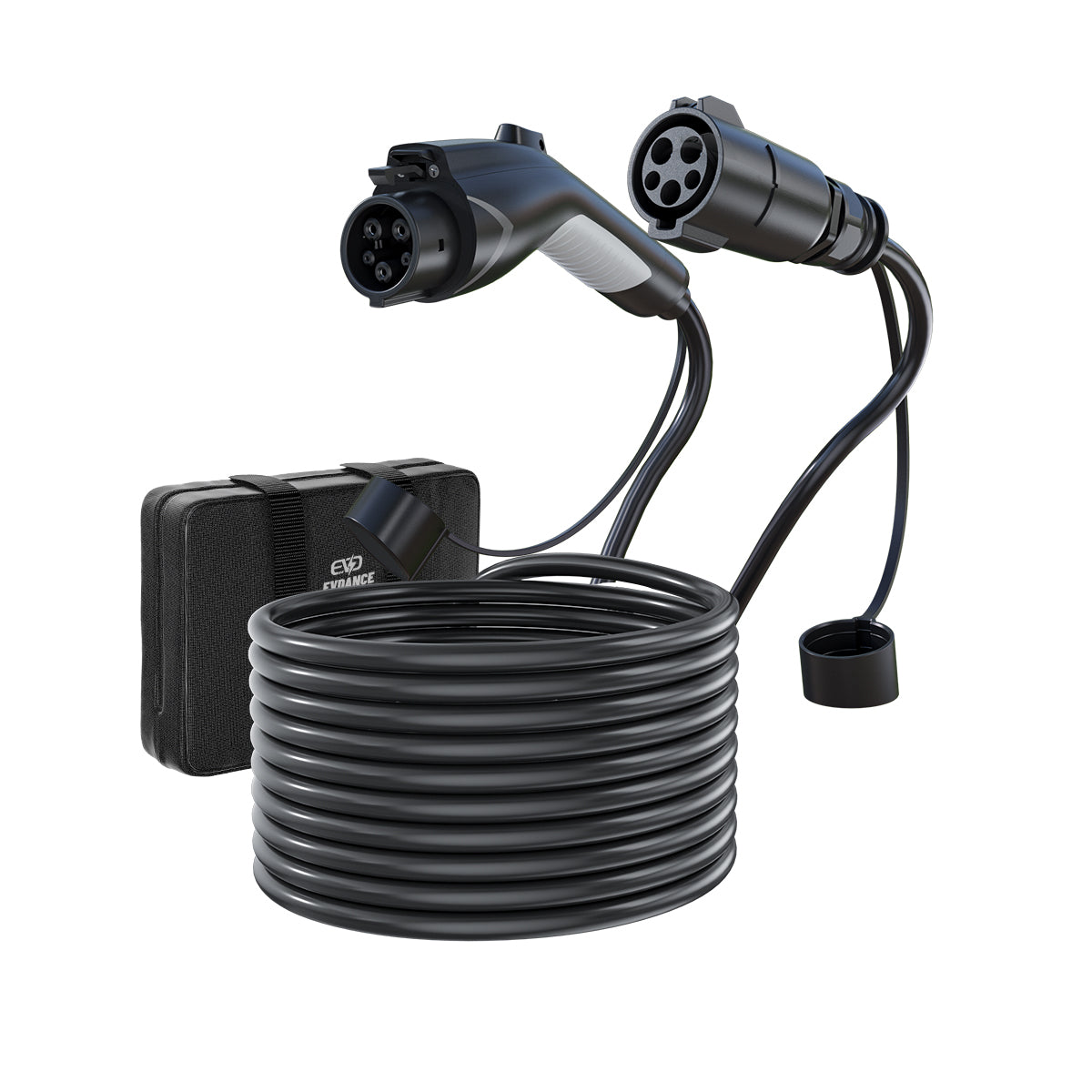
EVDANCE J1772 EV Extension Cord 32A-50A 21/40 FT

Connector

Cable
Cable
Cable

Circuit
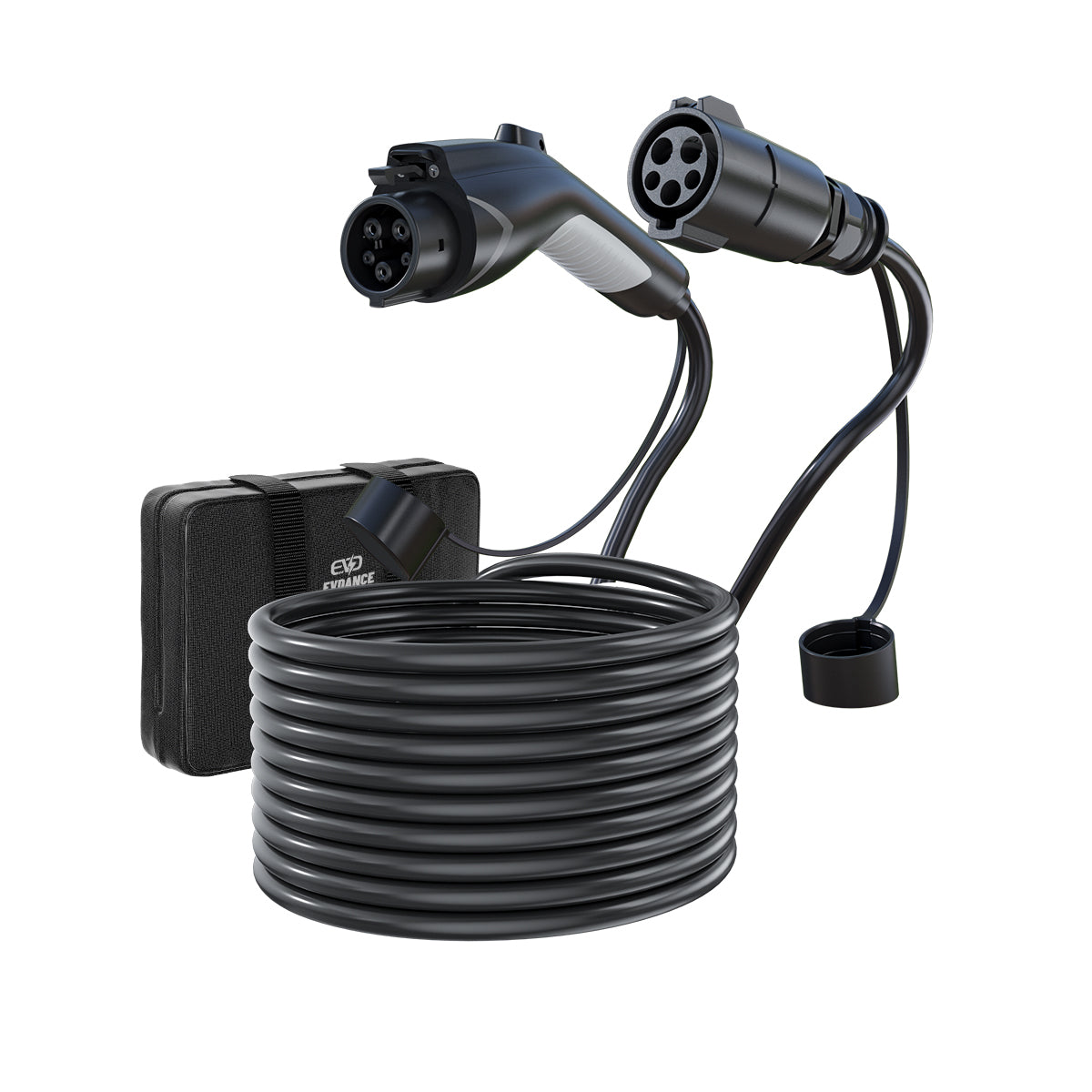
EVDANCE J1772 EV Extension Cord 50A 21/40 FT
Connector
Cable
Cable
Circuit
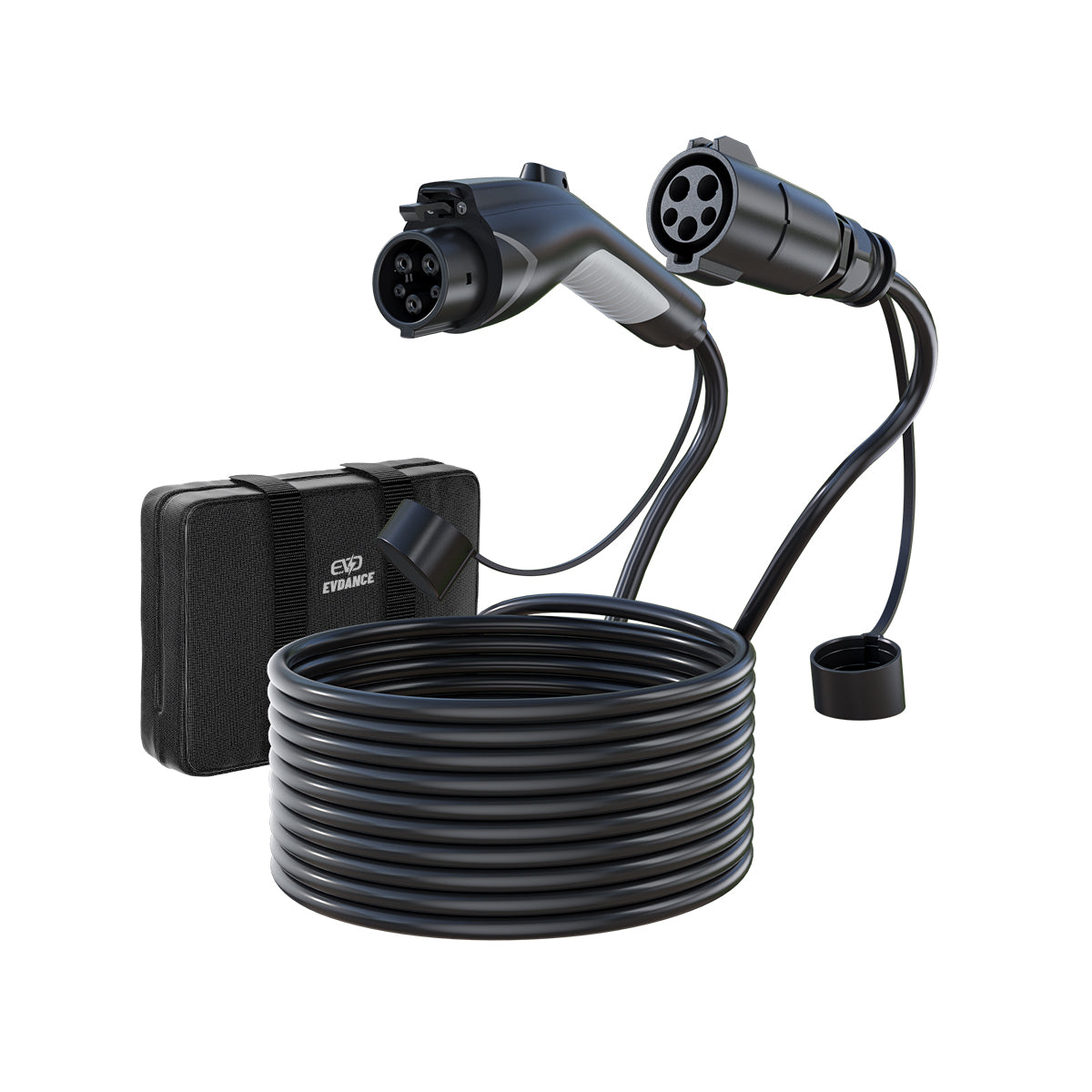
EVDANCE J1772 EV Extension Cord 40A 21/30/40 FT
Connector
Cable
Cable
Cable
Circuit
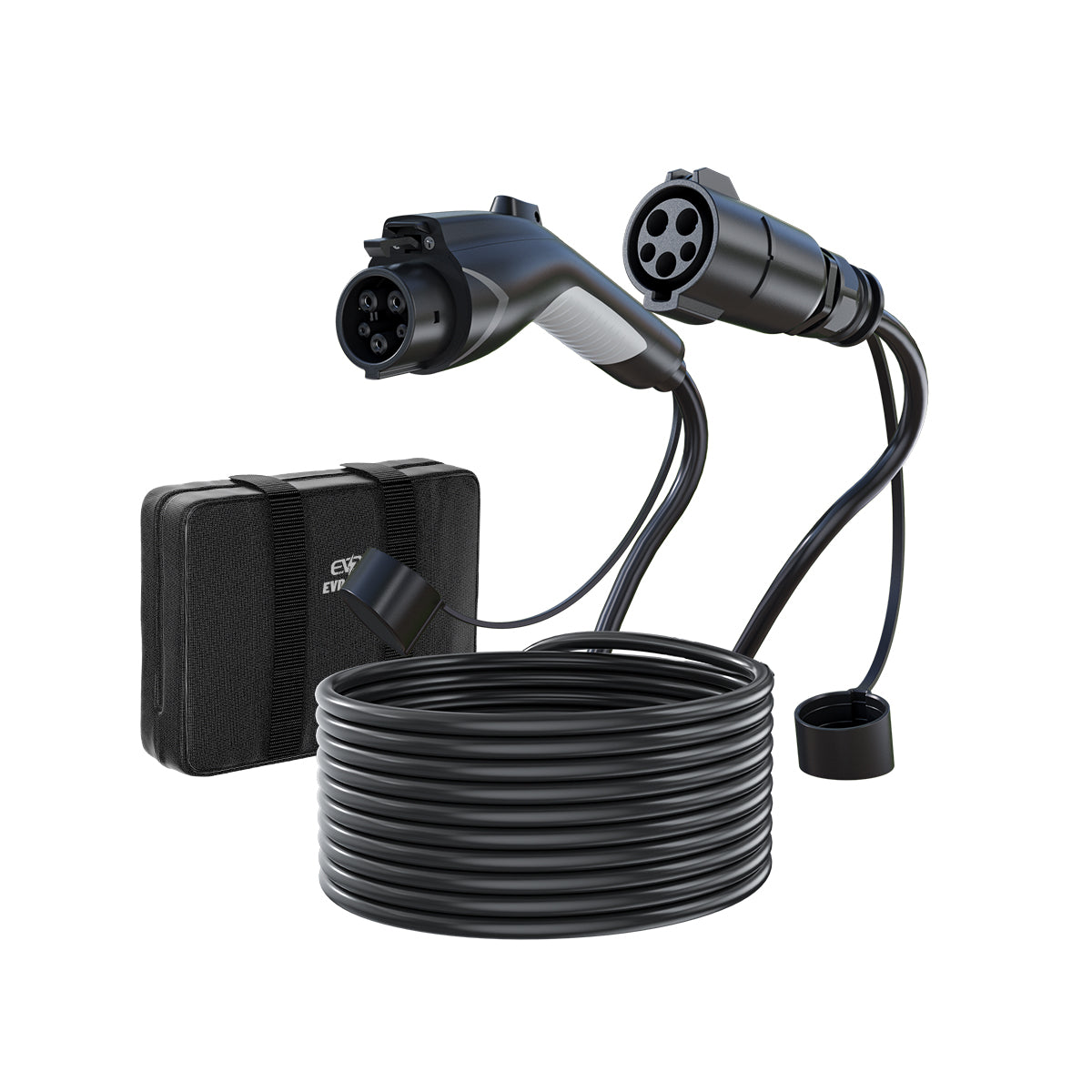
EVDANCE J1772 EV Extension Cord 32A 21/40FT
Connector
Cable
Cable
Circuit
EV Extension Cord: A Practical Solution for Flexible and Safe Home Charging
As the adoption of electric vehicles (EVs) continues to grow, so does the demand for versatile, accessible, and safe Home charging infrastructure. Among the essential tools supporting this need, the EV extension cord has emerged as an invaluable solution—providing added convenience and flexibility for EV owners whose parking locations may not align perfectly with a fixed charging station. Whether you live in a house with limited driveway access, a shared residential property, or a location where your garage outlet isn't ideally positioned, a well-constructed EV extension cord can bridge the gap between your vehicle and the power source.
Unlike traditional household extension cords, which are typically designed for low-wattage devices such as lamps or power tools, EV extension cords are engineered to handle high power loads safely over extended distances. These cords are built with heavy-gauge conductors, weather-resistant jackets, and reinforced connectors that meet strict electrical safety standards. Their compatibility with both Level 1 and Level 2 charging setups makes them highly adaptable, especially for users who need temporary or portable solutions.
In particular, a properly rated EV extension cord enables users to:
However, it is crucial to understand that not all extension cords are appropriate for EV charging. Using an undersized or uncertified cord can lead to overheating, reduced charging speed, or even fire risk. For this reason, EV extension cords should be UL-listed (or ETL equivalent), made from 100% copper wiring, and rated for the specific amperage and voltage of the charging setup. Many EV owners also opt for cords with built-in LED indicators, weatherproof plug caps, or handles for easier connection and disconnection.
In summary, the EV extension cord is not merely a convenience—it’s a practical, scalable solution that supports the evolving needs of electric vehicle users. When selected and used correctly, it enhances charging accessibility without compromising safety, efficiency, or long-term equipment integrity.
Why Use an EV Extension Cord?
For many EV owners, especially those in rental homes, shared garages, or with limited driveway access, a charging station may be installed far from the ideal vehicle parking spot. EV extension cords help bridge that distance while preserving the charging efficiency. Their benefits include:
- Flexible Parking Options: Allows EV charging in locations where direct access to a charger or outlet is limited.
- Cost Efficiency: Avoids the need for permanent rewiring or relocating existing power infrastructure.
- Portability: Can be used at home, work, or during travel when staying at locations with limited outlet placement.
- How to Choose the Right EV Extension Cord: A Practical Guide for Every Driver?
Key Specifications and Power Ratings
When selecting an EV extension cord, matching its electrical capacity to your EV charger is critical:
- Voltage: 120V for Level 1, 240V for Level 2
- Amperage: Ranges from 15A to 50A, depending on your EV and charger specs
- Plug Types: Common types include NEMA 5-15, 5-20, 6-20, 6-50, and 14-50
- Wire Gauge: A thicker gauge (e.g., 10 AWG for 30A, 6 AWG for 50A) reduces voltage drop and enhances safety, especially for long cords
Always verify that the cord’s connectors are compatible with your EV charger and that the total load (including cable length and temperature conditions) doesn’t exceed the cord’s rating.
Installation and Safety Considerations
- Using an EV extension cord safely requires adherence to certain best practices:
- Certified Equipment: Only use cords that are UL-listed or equivalent, built to withstand high current flow and outdoor conditions.
- Dedicated Circuit: Ensure the extension cord is plugged into a dedicated circuit with the appropriate breaker to prevent overload.
- Avoid Coiling in Use: Cords should be fully uncoiled during use to prevent heat buildup.
- Water and Dust Resistance: Choose cords with weather-resistant jackets (rated W or W-A) and IP65+ ingress protection for safe outdoor use.
- Regular Inspection: Frequently check for damage, wear, or overheating. Discontinue use if the cord becomes warm to the touch or shows visible wear.
FAQs
Find answers to questions about J1772 EV extension cords.
What is a J1772 extension cable and how does it work?
A J1772 extension cable is designed to extend the reach of your existing Level 1 or Level 2 EV charger that uses the SAE J1772 standard connector. It connects between the EVSE (Electric Vehicle Supply Equipment) and your vehicle, allowing greater flexibility when your charging station is located far from your parking space. These cables preserve the full charging speed and safety protocols when properly rated.
What vehicles are compatible with J1772 extension cords?
J1772 extension cords are compatible with all electric vehicles and plug-in hybrids that use the standard J1772 connector, which includes most non-Tesla EVs in North America, such as models from Chevrolet, Nissan, Ford, BMW, and more. Tesla vehicles can also use J1772 extension cords with the appropriate adapter.
How far can a J1772 extension cord extend my charging reach?
J1772 extension cords are available in various lengths, typically ranging from 15 to 25 feet. This allows for flexible charging setups, enabling you to reach your vehicle more conveniently from your charging station, whether at home or in public charging locations.
What power capacity do J1772 extension cords support?
EVDANCE J1772 extension cords support charging capacities up to 50 amps, which is suitable for Level 1 and Level 2 chargers. This means they can handle up to 9.6 kW of power, ensuring efficient and reliable charging for your electric vehicle.
Are J1772 extension cords safe for outdoor use?
Yes, EVDANCE J1772 extension cords are designed with durability and safety in mind. Look for cords that have a high IP rating (e.g., IP66 or higher) to ensure they are waterproof and dustproof, making them suitable for outdoor use in various weather conditions. Additionally, high-quality materials and construction help withstand the elements.
What safety features should I look for in a J1772 extension cord?
When selecting a J1772 extension cord, ensure it includes key safety features such as overcurrent protection, overvoltage protection, and thermal protection to prevent overheating. High-quality cords will often feature components like silver-plated inlets for enhanced conductivity and built-in safety certifications such as UL or CE, ensuring compliance with industry standards.
Are J1772 extension cables safe to use?
Yes, J1772 extension cables are safe if they are UL-listed or tested to industry standards, and if the amperage rating matches or exceeds your charger’s output. Quality cables feature heat-resistant insulation, waterproof connectors, and overcurrent protection, ensuring safe daily use for residential or commercial applications.
Can all electric vehicles use a J1772 extension cable?
All EVs that support the SAE J1772 standard—including models from Ford, Hyundai, Nissan, Chevrolet, and BMW—are compatible with J1772 extension cables. Tesla vehicles can also use them with a J1772-to-Tesla adapter, making this accessory broadly compatible across most EV brands in North America.
Will using a J1772 extension cable reduce charging speed?
A properly rated extension cable will not reduce charging speed. However, using low-quality or undersized cables can result in voltage drop, leading to longer charging times or even EVSE errors. Choose an extension rated for 32A or 40A to match Level 2 charging speeds without compromise.
Do J1772 extension cables support both Level 1 and Level 2 charging?
Yes. J1772 extension cables are compatible with both Level 1 (120V) and Level 2 (240V) chargers. They are designed to handle a range of voltages and amperages (typically up to 40 amps), making them a flexible solution for various EVSE setups, whether at home or work.