



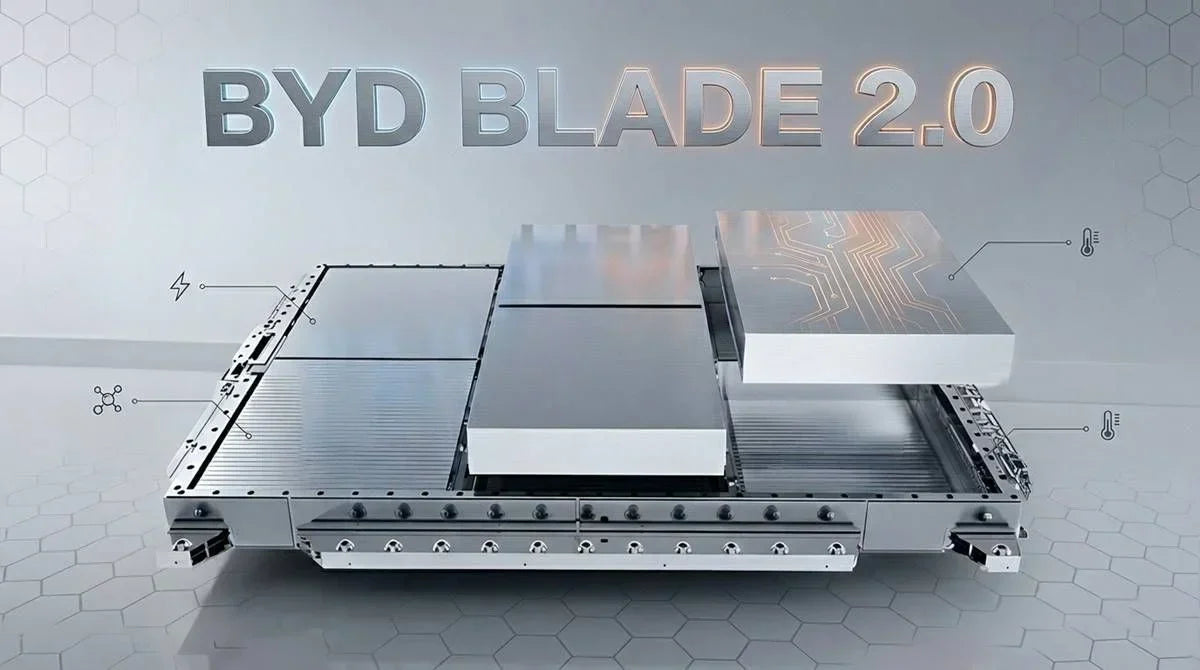
Next-Generation Blade Battery Breaks Speed Barriers
Chinese automaker BYD introduced its second-generation Blade battery, highlighting record-fast charging capabilities that challenge current Western EV technology. Alongside the battery, the company is deploying new Flash charging stations capable of delivering 1,500 kilowatts, surpassing even last year’s megawatt chargers.

Performance Highlights in Extreme Conditions
The Blade 2.0 can charge from 10% to 70% in roughly five minutes and reach 97% in under ten minutes under normal conditions. Remarkably, the battery maintains near-peak efficiency in freezing temperatures, taking about 12 minutes to go from 20% to 97% at -30°C (-22°F). Such performance outpaces conventional lithium-ion systems, which typically slow significantly in cold weather due to reduced electron flow.
Real-World Demonstration With Denza Z9GT
BYD released a demonstration on the Chinese platform Weibo, showing a Denza Z9GT connected to a 1,500 kW Flash charger. The vehicle, initially at 9% state of charge with 57 miles (93 km) of range, reached 97% in 9 minutes and 51 seconds. The onboard range meter indicated 1,008 km (626 miles), calibrated according to China’s Light-Duty Test Cycle (CLTC), which generally produces higher estimates than U.S. EPA standards.
Even accounting for differences in testing protocols, the recharge time is still dramatically shorter than the 20–40-minute charging sessions typical for U.S. EVs, approaching the convenience of refueling a gasoline vehicle. BYD has designed its Flash stations in a familiar gas station layout, allowing drivers to plug in, recharge rapidly, and depart efficiently.
Advanced Safety Compliance
Safety remains a central focus for BYD. China enforces strict battery regulations requiring that cells entering thermal runaway do not ignite or explode for at least two hours. To meet these standards, BYD conducted nail penetration tests on the Blade 2.0 pack, demonstrating that even under direct physical stress, the battery did not catch fire. These safety measures help protect both the vehicle and occupants in extreme failure scenarios.
Broad Deployment Across Models
The Blade 2.0 battery is not limited to experimental vehicles. BYD plans to integrate it into up to 10 production models, including high-end and mainstream EVs like the Yangwang U7, Denza Z9GT, Seal 07, and Sealion 06. This wide adoption strategy underscores the company’s goal of democratizing high-performance EV technology across multiple market segments.

Reasserting Competitive Advantage
After experiencing a 41% sales decline in February, BYD is aiming to rebound by leveraging its technological lead. The combination of ultrafast charging, robust cold-weather performance, and safety compliance positions the automaker ahead of most Western competitors in practical, high-output EV battery systems.
The introduction of Blade 2.0 signals BYD’s commitment to pushing boundaries in both energy density and operational efficiency, potentially redefining expectations for electric mobility worldwide.
Recommend Reading: BYD Introduces 1.5 MW EV Chargers That Add Hundreds of Miles in Minutes


Partager:
Ford CEO Reflects on Lessons From the F-150 Lightning Program
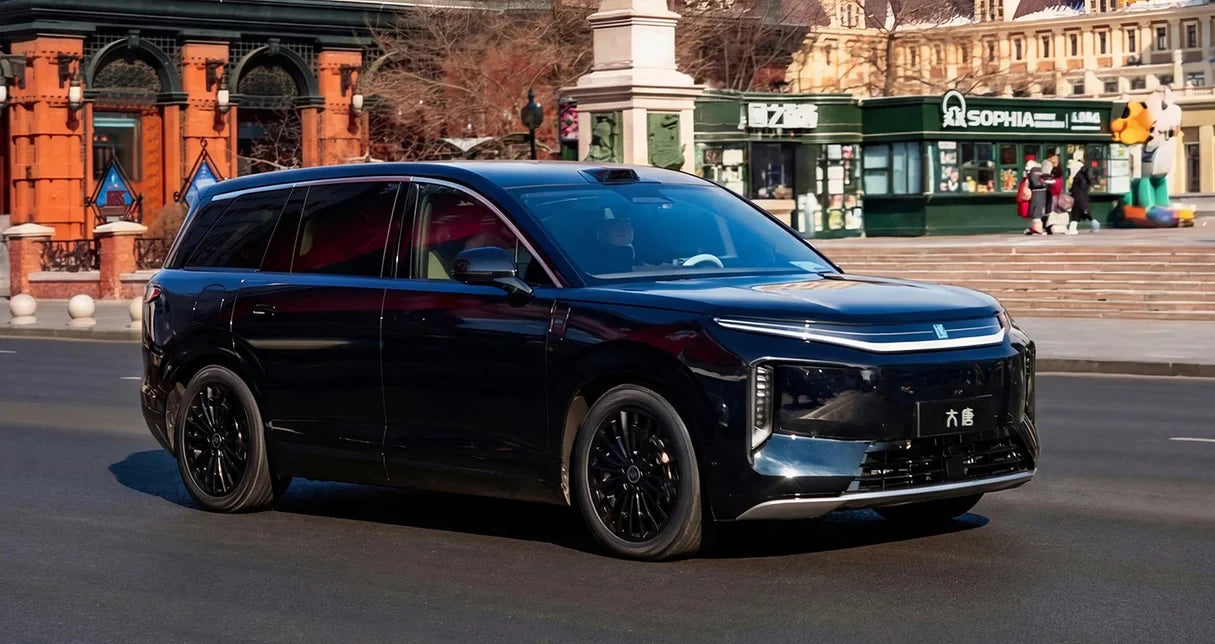
BYD Unveils Great Tang SUV With Ultra-Fast Charging and Advanced Tech