





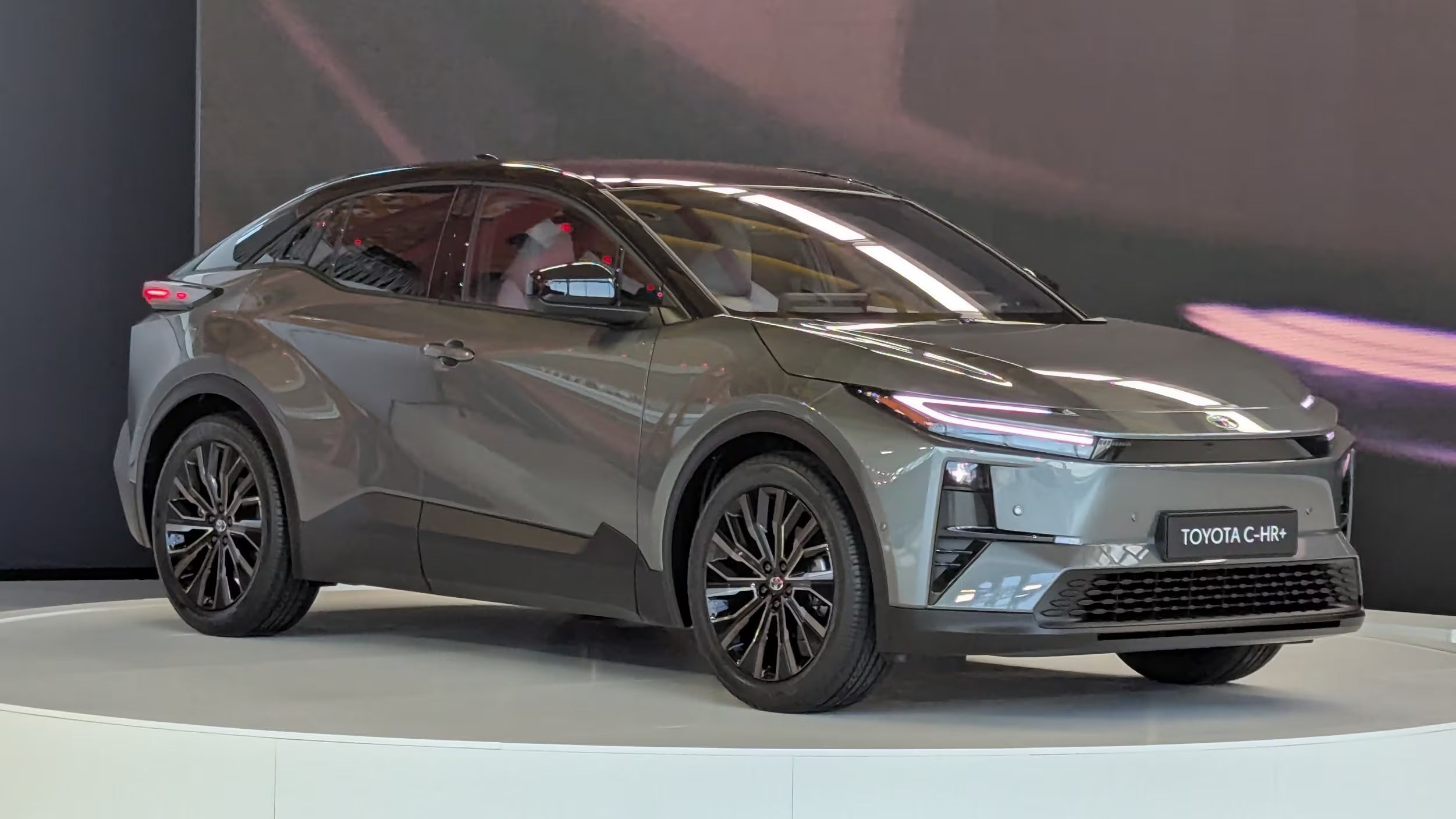
Toyota’s Electric Lineup Has Long Lagged Expectations
For a brand closely associated with reliability and efficient mobility, Toyota’s progress in fully electric vehicles has felt slow to many U.S. consumers. While hybrids have been a long-standing strength, Toyota’s all-electric presence has remained limited, with the bZ (formerly bZ4X) standing as its only EV offering since 2022.
Early versions of the bZ struggled to impress, held back by modest range and underwhelming fast-charging performance. Recent updates have improved the situation, but shoppers have continued to ask for more variety—particularly in popular crossover segments.
That expansion is now taking shape.

Two New Electric Crossovers Arrive in 2026
Toyota has confirmed plans to introduce two additional battery-electric crossovers for the U.S. market in 2026: the compact C-HR EV and the larger, more rugged bZ Woodland. Alongside the announcement, Toyota quietly revealed pricing—an important detail in a market where incentives are shrinking and value matters more than ever.
In a post–tax credit environment, pricing may ultimately determine whether these models gain traction or struggle to compete.
C-HR EV Pricing Targets the Compact Premium Segment
The electric C-HR will start at $38,450 for the SE trim, with the XSE priced at $40,450. All figures include destination charges.
Unlike some rivals, the C-HR will be offered exclusively with all-wheel drive, which partly explains its higher-than-expected starting price. While compact in size, it is not positioned as a budget EV, especially compared to other small electric crossovers entering the market.
Toyota declined to confirm whether a lower-cost, single-motor version could be introduced later, leaving value-focused buyers with limited flexibility for now.
bZ Woodland Aims for Utility, at a Higher Cost
Sitting above the C-HR is the bZ Woodland, a wagon-like variant of the bZ with added cargo space and outdoors-focused styling. The Woodland starts at $46,750, while the Woodland Premium reaches $48,850.
Standard all-wheel drive and a more rugged design help justify the price, but the Woodland lands firmly in the upper end of the mainstream EV crossover segment, where competition is growing fast.
For shoppers prioritizing space and light off-road capability, the Woodland offers a clear upgrade over the standard bZ—but not at a discount.
Subaru Comparisons Highlight Pricing Challenges
Toyota’s EVs are closely related to Subaru models developed on the same platform, making comparisons unavoidable.
The Subaru Uncharted, Toyota’s C-HR counterpart, starts at $36,445 in front-wheel drive form. The closest all-wheel-drive equivalent costs $41,245, narrowing the gap but still raising questions about value.
Similarly, Subaru’s Trailseeker, an electric alternative to the Outback, starts at $41,445, undercutting the bZ Woodland by more than $5,000 despite similar drivetrain layouts.
These differences suggest that Toyota is leaning on brand strength rather than price leadership to attract EV buyers.

Where the Updated bZ Still Fits In
Despite the new arrivals, the updated 2026 bZ remains Toyota’s most affordable EV, with a starting price of $36,350. Improved range and charging performance make it more competitive than earlier versions, even as it now sits between the C-HR and bZ Woodland in size.
Interestingly, the smaller C-HR does not undercut the bZ on price, reinforcing that Toyota is not positioning it as an entry-level EV.
Charging, Range, and Market Impact
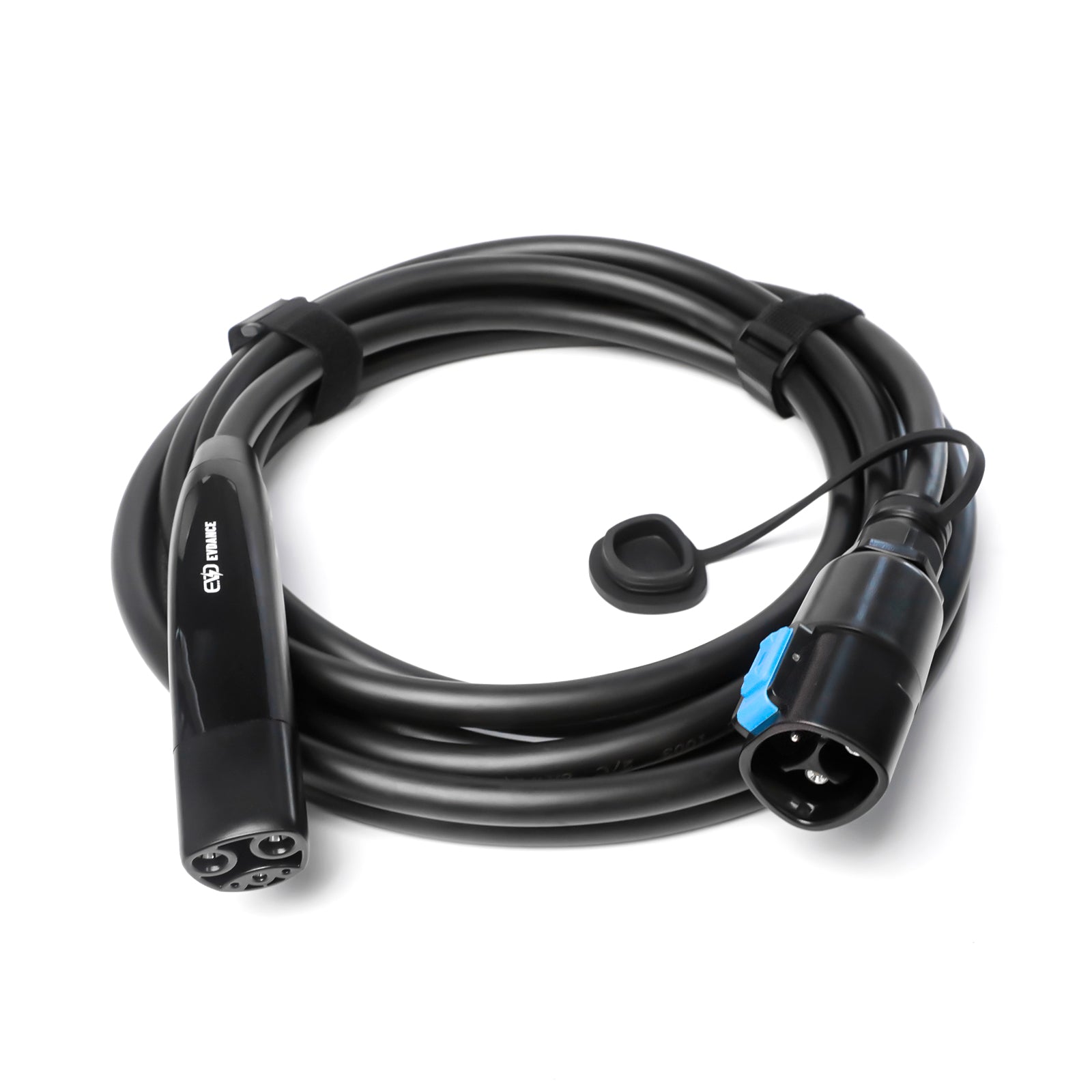
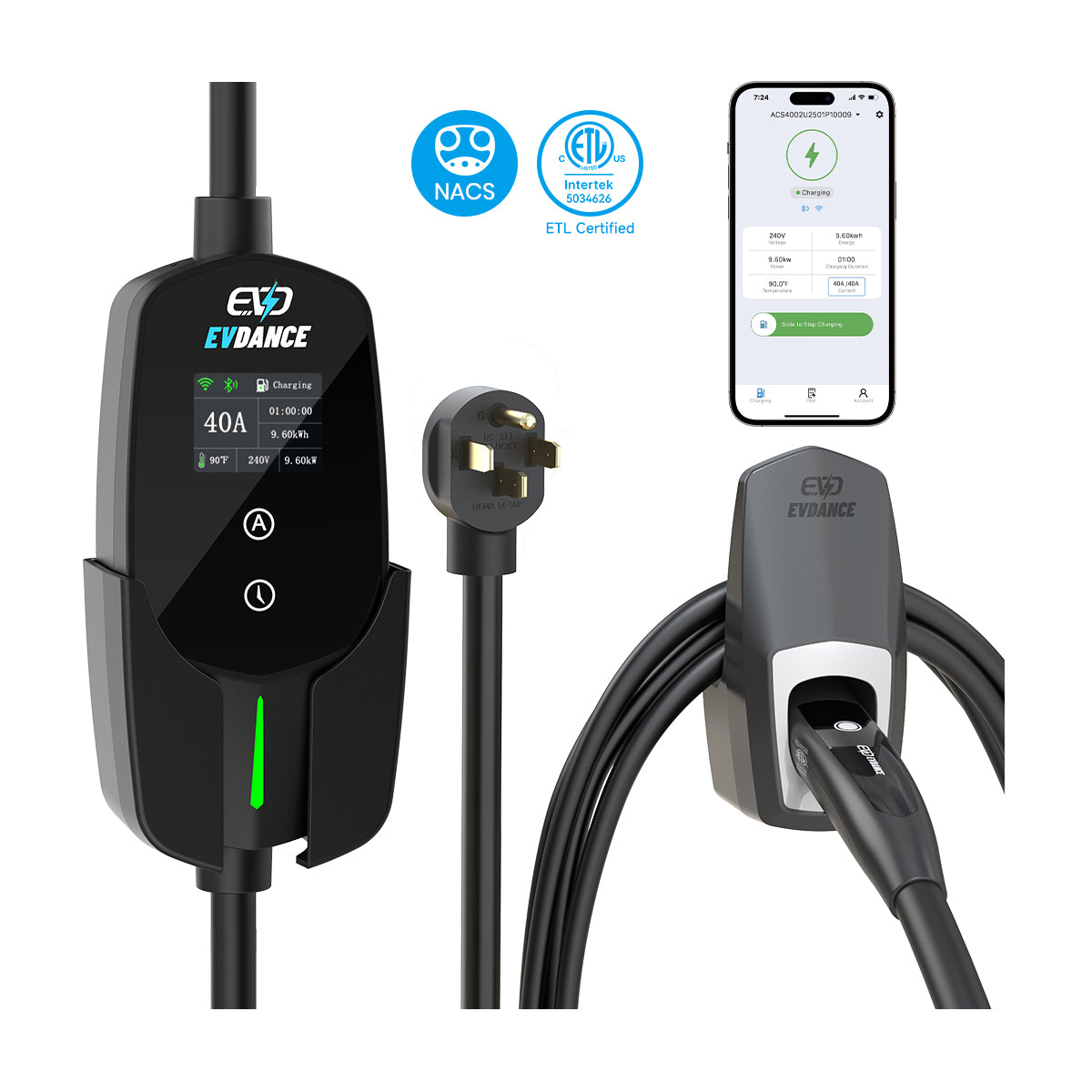
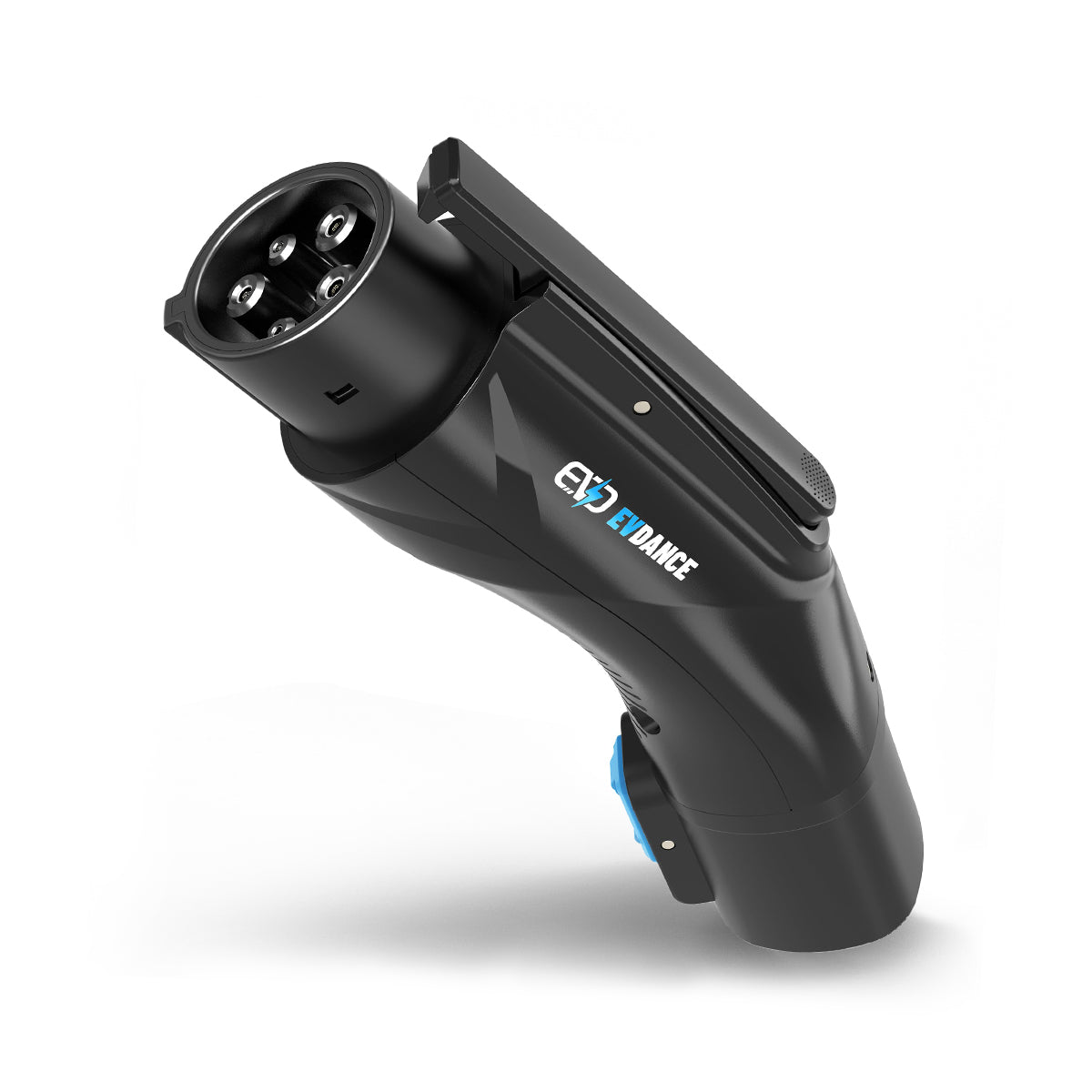
All new Toyota and Subaru EVs come standard with the Tesla-style NACS charging port, improving access to fast-charging infrastructure across North America. Both the C-HR and Subaru Uncharted promise around 300 miles of range, a competitive figure for their class.
More broadly, greater choice from trusted brands remains critical for EV adoption, especially during a period of uneven sales growth. While some automakers delay or cancel projects, roughly 30 new EV models are still expected to launch in the U.S. this year.
For buyers hoping for a truly affordable Toyota EV, however, the long-rumored electric Corolla may still be the model worth waiting for.
Recommend Reading: Toyota Launches Affordable Electric Crossover in 2026









Share:
GM Simplifies EV Charging by Bringing Electrify America Into Its Apps
EV Naming Strategies Are Changing as Automakers Rethink How to Sell Electric Cars