



Introduction
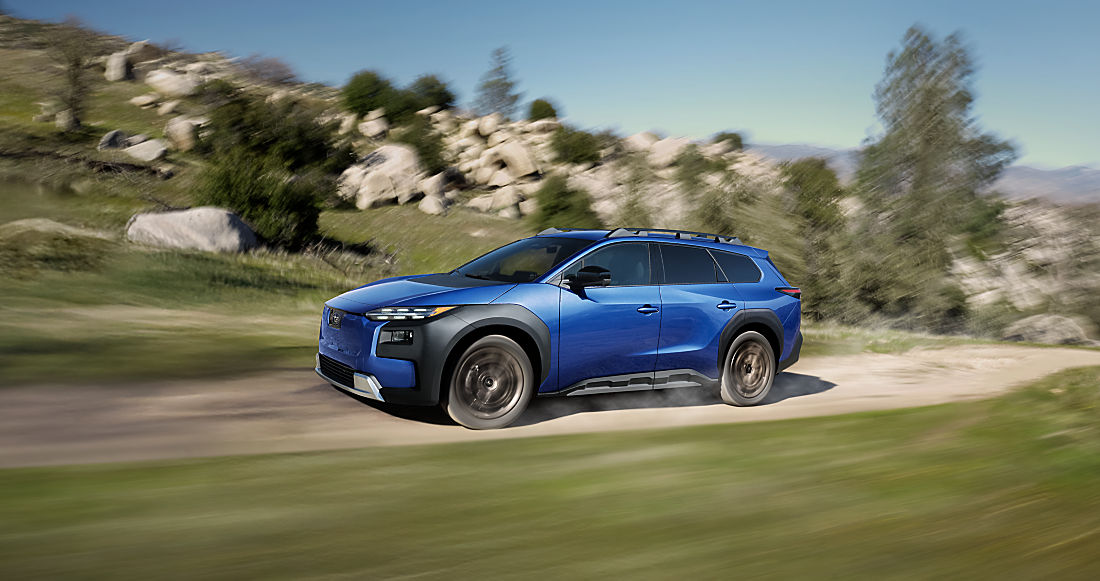
Subaru is preparing to enter a new phase of its electric strategy with the launch of the 2026 Trailseeker, a rugged battery-electric crossover positioned as an EV alternative to the long-running Outback. While Subaru doesn’t officially market it as an “electric Outback,” its design, size, and mission clearly place it in that territory. The company has now confirmed stronger-than-expected range estimates and full pricing details, giving shoppers a clearer look at what to expect when sales begin in early 2026.

Improved Range Estimates
Subaru has upgraded the Trailseeker’s estimated driving range to approximately 280 miles, up from earlier projections of “more than 260 miles.”
While the increase is modest on paper, this bump pushes the model into a more competitive bracket, especially for buyers looking for an EV suited to outdoor travel and all-weather driving.
The Trailseeker uses a 74.7-kWh battery paired with dual electric motors, standard all-wheel drive, and fast-charging capability through the NACS 150-kW port. Subaru says the model achieves a 0–60 mph time of 4.4 seconds, making it the quickest vehicle the brand has ever produced.
2026 Subaru Trailseeker: Key Specifications
| 2026 Subaru Trailseeker | |
|---|---|
| Base Price | $39,995 |
| Battery | 74.7 kWh |
| Drive Type | Dual-Motor AWD |
| Output | 375 hp |
| On Sale | Early 2026 |
| Estimated Range | ~280 miles |
| 0–60 mph | 4.4 seconds |
| Charging Standard | 150 kW NACS |
Pricing and Trim Structure
Subaru has positioned the Trailseeker at a level that closely aligns with gasoline SUVs rather than premium EVs. The base Premium trim starts at $39,995, not including destination fees, coming in roughly $5,000 above the latest gasoline Outback.
Subaru will also offer Limited and Touring trims priced at $43,995 and $46,555, respectively. All versions share the same dual-motor AWD architecture and rugged features. Even the entry model receives:
-
8.3 inches of ground clearance
-
Snow and Mud driving modes
-
Downhill Assist Control
-
A 14-inch touchscreen, the largest Subaru has ever installed
While the EV model is slightly smaller than the Outback—offering 74 cubic feet of cargo room versus the Outback’s 80.5 cubic feet—its performance, traction, and modern interior tech place it in a distinct category.
Capability for Outdoor and All-Weather Use
Subaru’s reputation has long been tied to adventurous, outdoors-oriented driving. The Trailseeker builds on that heritage by pairing EV torque with all-weather capability. Its standard AWD, instant power delivery, and high ground clearance make it a practical choice for snowy climates and off-pavement recreation.
These features help position the Trailseeker as a unique offering in the current EV landscape, where rugged electric crossovers are still limited in number and often come at higher price points.

Market Outlook
The Trailseeker arrives at a time when EV sales growth in North America has cooled, yet Subaru’s loyal customer base may give the model an advantage. Many Outback owners value utility, off-road traction, and long-distance comfort—qualities Subaru has translated directly into the Trailseeker’s design.
With stronger-than-expected range, competitive pricing, and a familiar Outback-like formula, the Trailseeker may appeal to both Subaru faithful and EV-curious shoppers seeking a practical, all-weather electric crossover.
Recommend Reading: 2026 Subaru Solterra Delivers More Range, Power, and Comfort—At the Same Price


Share:
BYD Dolphin Hits 1 Million Sales, Cementing Its Global EV Success
Best EV Lease Deals and Financing Offers in December 2025