




News
- All
- Acura
- Audi
- Autonomous Vehicles
- Battery Care & Range Anxiety
- Battery Tech
- BMW
- Buying Guide
- BYD
- Cadillac
- Charging
- Chevrolet
- China
- Climate
- Design
- Dodge
- Elon Musk
- Fiat
- Ford
- General Motors
- Honda
- Hyundai
- Industry Outlook
- Jaguar
- Jeep
- Kia
- Lexus
- Lotus
- Lucid Motors
- Mazda
- Mercedes-Benz
- Model Comparisons
- Monthly EV Lease Deals
- Monthly EV Recommendation
- Nissan
- Polestar
- Policies & Incentives
- Porsche
- Pricing
- Ram
- Range
- Renault
- RIVIAN
- Sales
- Scout Motors
- Skoda
- Slate Truck
- Stellantis
- Subaru
- Tesla
- Toyota
- User Guide
- Volkswagen
- Volvo
- Xiaomi
- Xpeng
- Zeekr

Michigan Files Antitrust Lawsuit Accusing Oil Industry of Blocking EV Progress
Michigan has filed an antitrust lawsuit accusing major oil companies of colluding to slow EV adoption, restrict renewable energy, and keep energy prices high, arguing the conduct denied consumers cleaner and more competitive alternatives.

Germany Revives EV Incentives With Broader Eligibility and Fewer Restrictions
Germany has relaunched EV subsidies with wider eligibility, including extended-range EVs, plug-in hybrids, and Chinese-built models, signaling a pragmatic shift toward affordability, choice, and market-driven adoption.
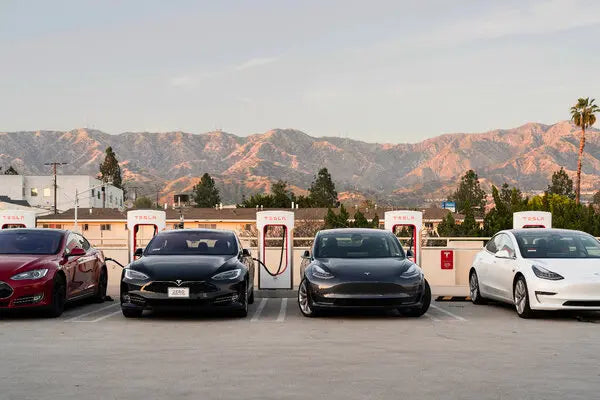
California Plans $200 Million EV Incentive Program
California is proposing a $200 million incentive program to support EV buyers after the federal tax credit ended. The plan could offer upfront discounts and help sustain EV adoption in the nation’s largest electric vehicle market.
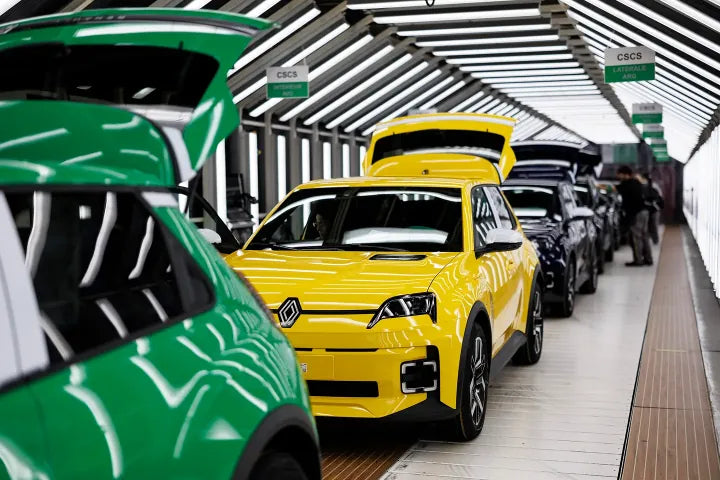
EU Revises 2035 Car Emission Rules, Introduces Battery Incentives
The EU revised its 2035 vehicle emission plan, requiring a 90% reduction in tailpipe emissions and introducing €1.8 billion in loans for EU battery production, supporting small EV adoption.
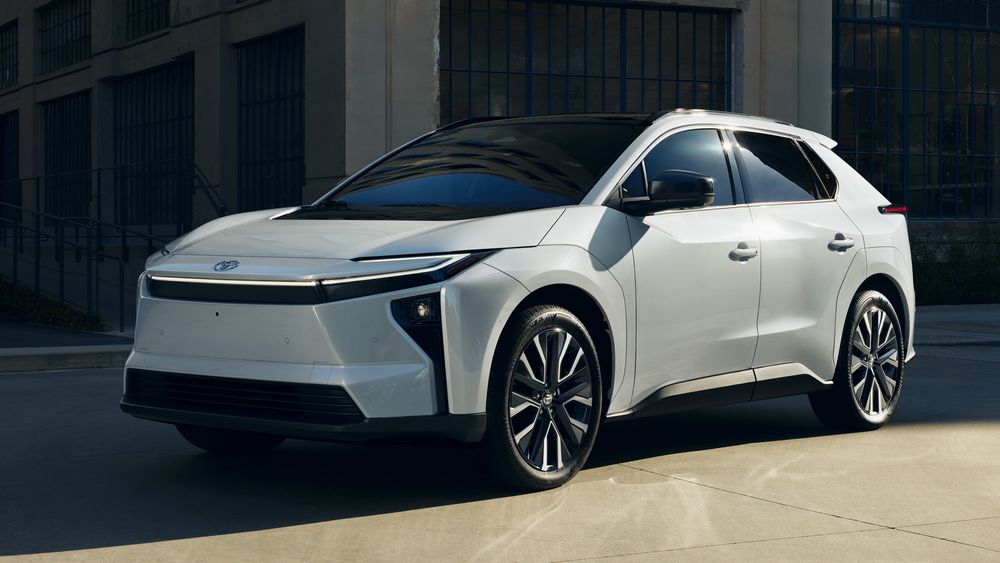
How the End of the EV Tax Credit Reshaped America’s New-Car Market
U.S. new-car prices are soaring, and the loss of EV tax credits has intensified affordability issues. Sales are falling across segments as buyers shift to lower-priced models or delay purchases entirely.
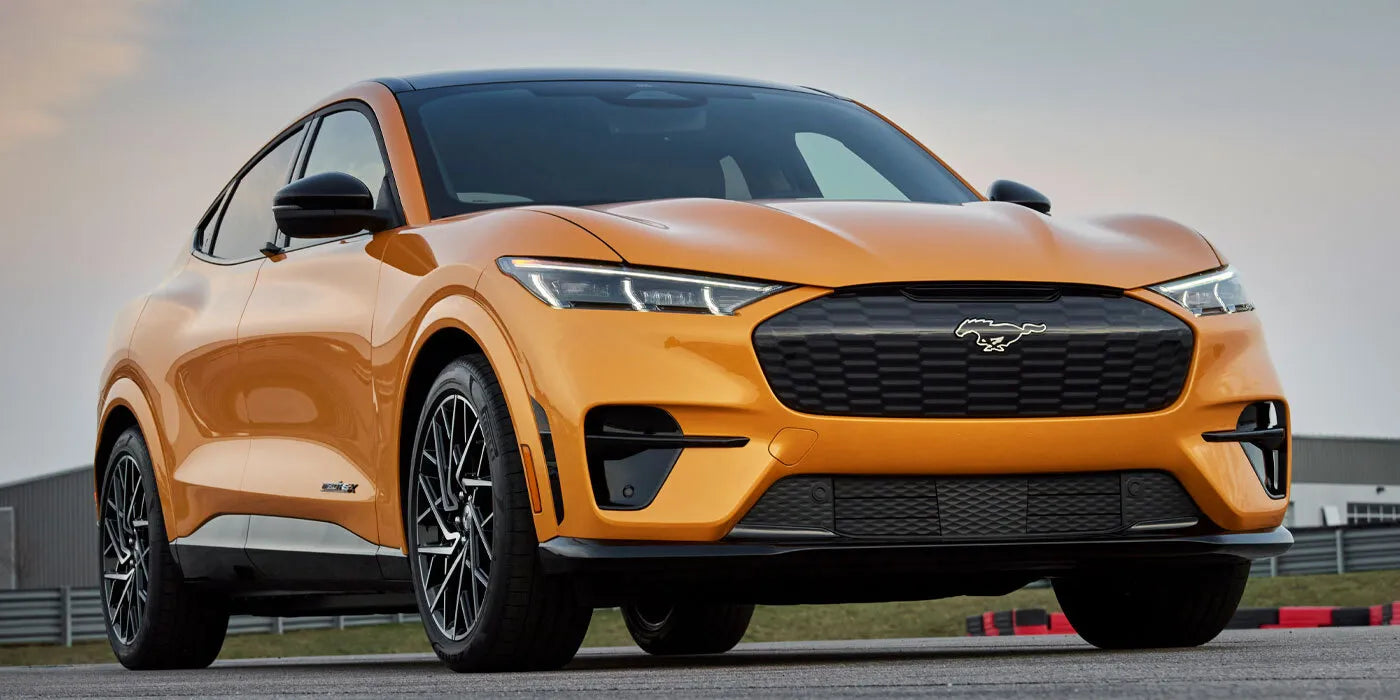
Trump Moves to Roll Back U.S. Fuel-Economy Standards
The Trump administration is preparing a major rollback of U.S. fuel-economy rules, lowering efficiency targets for automakers. The move may trim vehicle prices but could raise fuel costs and slow the nation’s progress toward cleaner cars.
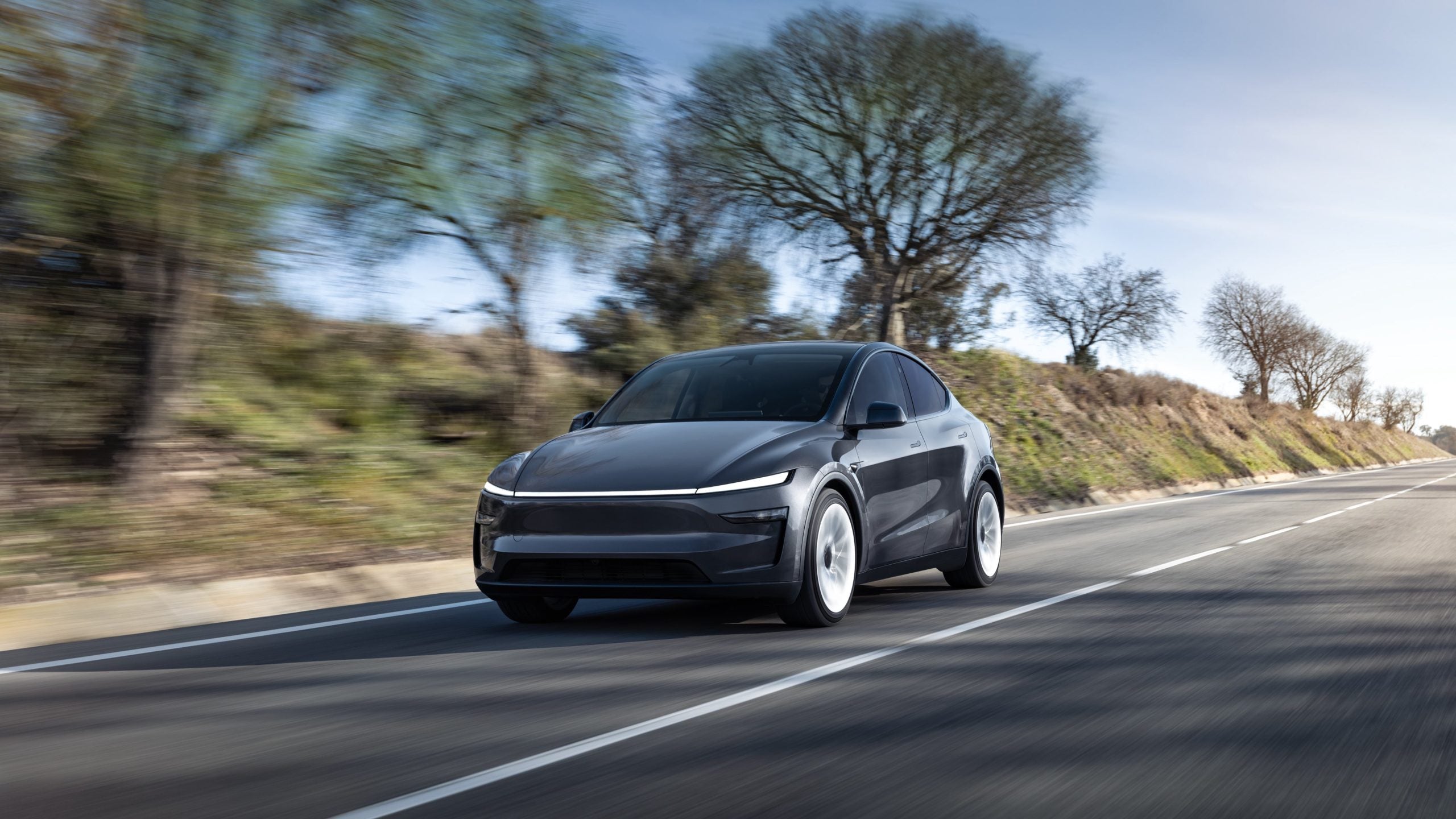
Trump’s Fuel-Economy Rollback Will Raise Drivers’ Costs
The administration’s plan lowers fuel-efficiency targets to reduce upfront car prices, but experts say drivers will pay more for gasoline. The rollback weakens clean-vehicle policy, benefits legacy industries, and risks U.S. competitiveness.
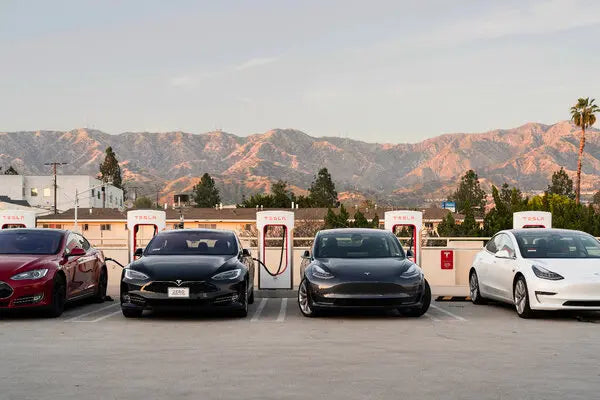
California Reassesses Its 2035 Gas-Car Sales Ban Amid EV Market Shifts
California is reassessing its 2035 gas-car ban as legal setbacks, affordability issues and slow EV growth raise concerns. The debate reflects broader challenges facing EV adoption, autonomous tech and rising vehicle costs across the industry.
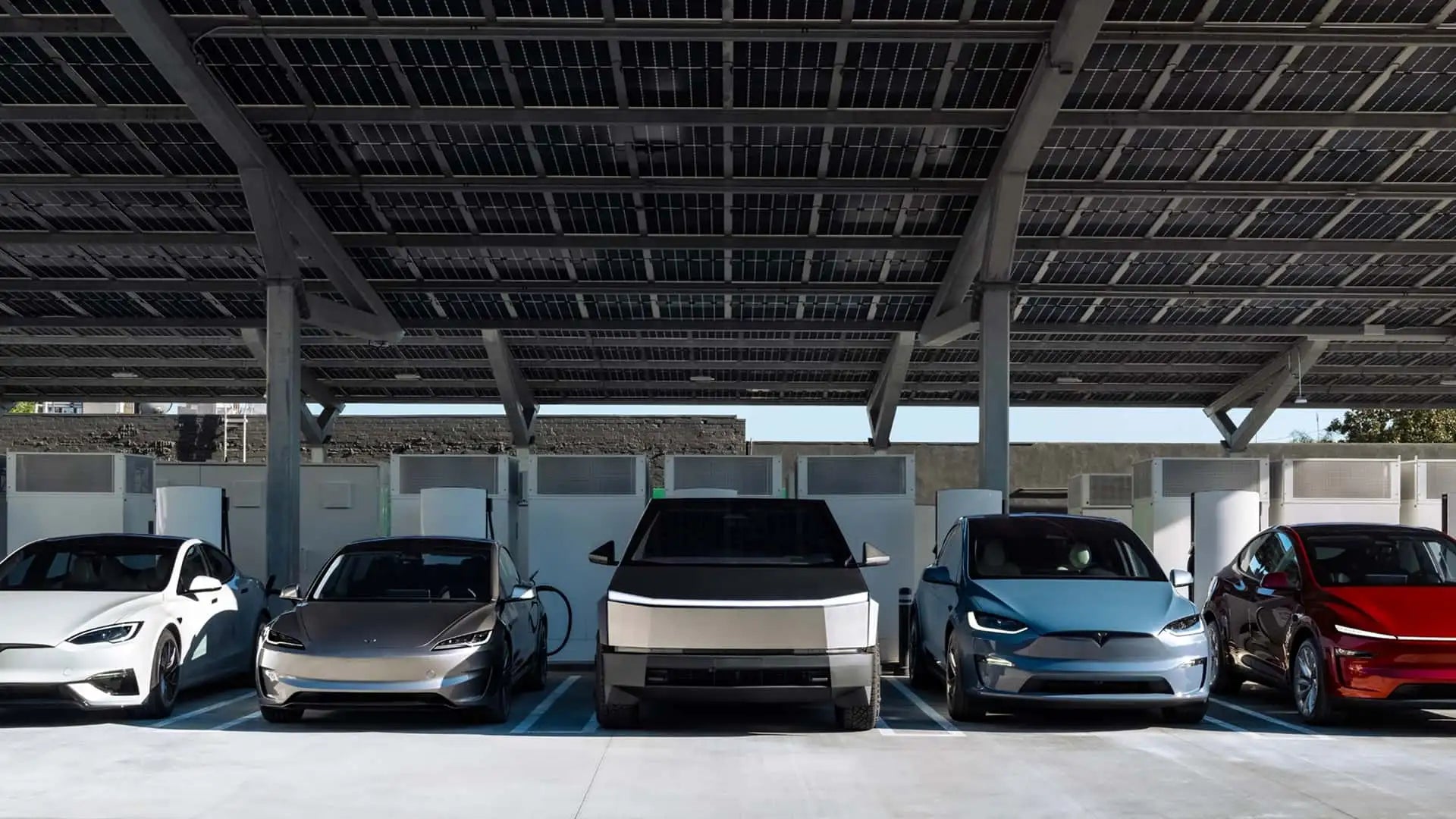
Americans Still Want Electric Cars Even After Federal Tax Credit Ends
Despite a 53% drop in EV sales following the loss of the $7,500 tax credit, new J.D. Power data shows Americans remain eager to go electric. Nearly 60% of car shoppers plan to consider an EV, driven by lower costs and strong owner loyalty.