





Germany Brings Back EV Incentives After Sales Slump
After a sharp slowdown in electric vehicle sales, Germany is relaunching consumer EV subsidies with a noticeably broader scope. Unlike past programs that focused almost exclusively on battery-electric vehicles, the new incentive package expands eligibility to include extended-range EVs (EREVs), qualifying plug-in hybrids, and vehicles built in China.
The move reflects a pragmatic shift in policy. Instead of using incentives to shape the market around a single technology or origin, Berlin is prioritizing affordability, flexibility, and consumer demand. The goal is straightforward: restart momentum in one of Germany’s most critical industrial sectors.

How the New Subsidy Program Works
Germany’s updated incentive scheme offers between $1,700 and $7,000 per vehicle, depending on powertrain type and buyer income level. Both purchases and leases qualify, provided the vehicle remains with the owner for at least 36 months.
Base incentives begin at $3,500 for full battery-electric vehicles, while plug-in hybrids and extended-range EVs start at $1,700. Higher amounts are available for lower-income households, reinforcing the program’s emphasis on accessibility rather than premium adoption.
Importantly, the program applies retroactively to vehicles purchased after January 1 of this year and is scheduled to run through 2029, offering longer-term certainty to both buyers and automakers.
Extended-Range EVs Gain Official Recognition
One of the most significant changes is the explicit inclusion of extended-range EVs. These vehicles use electric motors to drive the wheels, while a small combustion engine acts solely as a generator to recharge the battery.
For buyers wary of charging availability or long-distance travel limitations, EREVs offer a middle ground. They deliver an EV driving experience without fully abandoning gasoline, and Germany’s decision to support them signals growing acceptance that multiple electrification paths can coexist.
Plug-in hybrids are also eligible, provided they meet stricter standards, including a minimum electric-only range of 50 miles and additional emissions requirements.
No Exclusions for Chinese-Built Vehicles
Perhaps the most politically sensitive aspect of the policy is what it does not include. There are no rules excluding Chinese-manufactured vehicles from receiving subsidies.
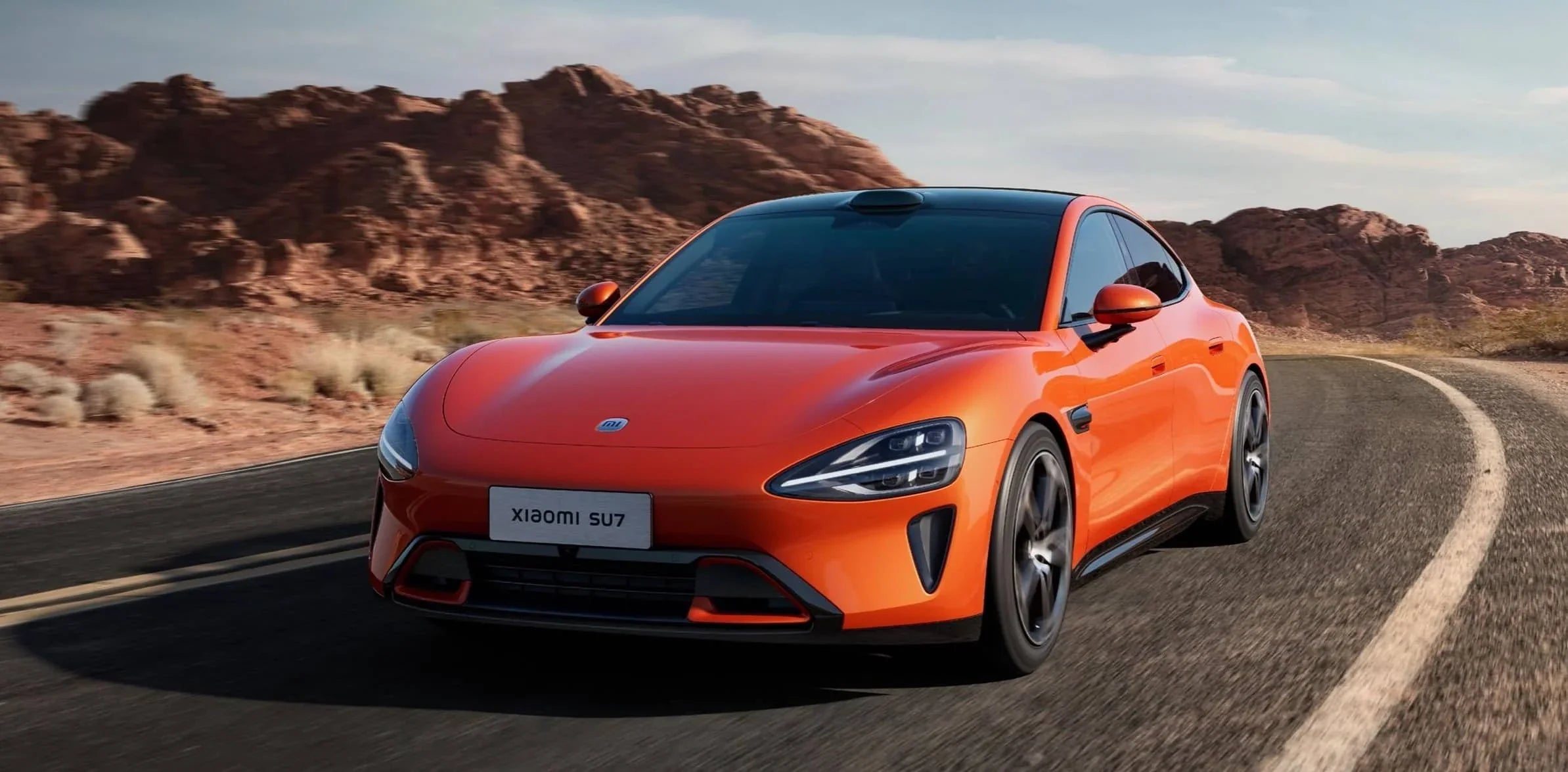
That makes the program particularly relevant for brands like BYD and Xiaomi, which are actively expanding across Europe. Coming shortly after Canada announced tariff reductions on Chinese EVs, Germany’s move further weakens the assumption that Western markets will rely solely on protectionist barriers.
German officials have pushed back against fears of being overwhelmed by imports. Environment Minister Carsten Schneider stated that current data shows no evidence of a flood of Chinese vehicles, and argued that German brands should compete on quality rather than policy shields.
A Course Correction After 2023
Germany’s previous EV subsidy program ended abruptly in 2023, triggering a noticeable decline in electric car registrations. The sudden withdrawal caught both consumers and manufacturers off guard, disrupting planning and slowing adoption.
This new approach appears designed to avoid repeating that mistake. With $3.5 billion allocated, the government expects to support roughly 800,000 vehicles over the life of the program. Affordable models, including future compact EVs promised to start below $30,000 before incentives, stand to benefit the most.

What Germany Is Really Signaling
The broader message is clear. EV adoption will not be revived through ideology or narrow definitions of “acceptable” technology. Buyers want options that fit their budgets, lifestyles, and infrastructure realities.
By supporting EVs, EREVs, and qualifying hybrids—regardless of where they are built—Germany is betting that choice and price matter more than purity tests. If successful, the policy could become a template for other markets struggling to balance industrial strategy with consumer reality.
Recommend Reading: Trump Signals Openness to Chinese EV Makers—If They Build in America


Share:
Acura’s EV Bet Leaves Dealers Exposed During a Market Transition
How LFP Batteries Overtook Nickel-Based Cells in the EV Market