





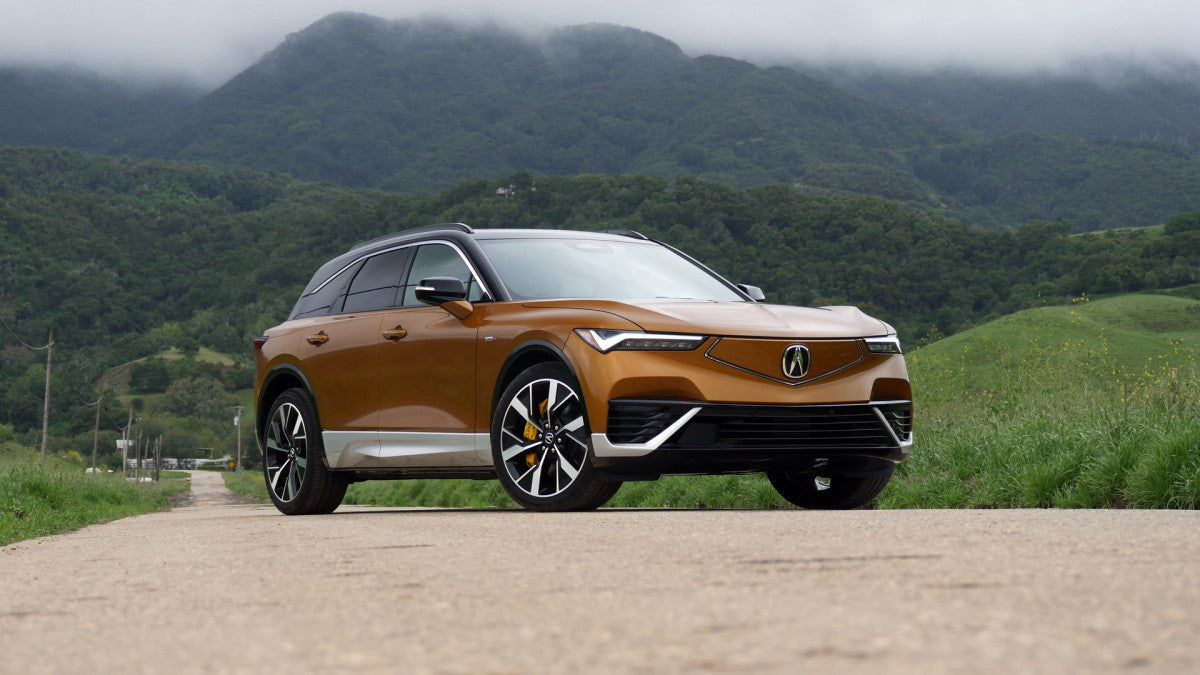
Acura is accelerating its shift toward electrification, but that strategy is creating real short-term pressure for its dealer network. As the brand pauses production of one of its most important volume models, retailers are questioning whether the timing aligns with today’s uneven EV demand and regulatory uncertainty.

A Profitable Crossover Steps Aside
For years, the Acura RDX has played a familiar but critical role: a reliable, mass-market crossover that keeps showrooms busy and cash flow steady. Vehicles like this rarely generate headlines, but they often subsidize riskier investments in new technology, software, and electrification.
That makes Acura’s decision to place the RDX on a two-year production hiatus especially disruptive. The model is expected to return later as a hybrid, but for now it leaves a noticeable gap in the lineup at a time when buyers remain cautious about fully electric vehicles, especially those that no longer qualify for federal tax credits.
New Models, Different Risks
In place of the RDX, Acura is introducing two vehicles with very different missions: the gasoline-powered ADX crossover and the electric RSX. The RSX is particularly significant, as it will be among the first models built on Honda’s new in-house EV platform, replacing the discontinued GM-based ZDX.
From a technology standpoint, the RSX represents a major milestone for Honda and Acura, both of which have lagged competitors in EV development. However, technological progress does not automatically translate into sales volume—especially when pricing, charging access, and incentives remain unresolved concerns for many buyers.
Dealer Frustration Comes to the Surface
According to dealer feedback reported by Automotive News, frustration is less about the RSX itself and more about what’s missing right now. Without the RDX, dealers argue they lack a high-demand, mid-size crossover that appeals to mainstream customers.
Retailers estimate that the MDX and new ADX combined may recover only a fraction of former RDX sales, largely because they occupy different segments and price bands. As a result, customers seeking a familiar, competitively priced luxury crossover are likely to shop elsewhere rather than wait years for a future hybrid.
Timing Matters More Than Direction
Dealers have long been skeptical of aggressive EV timelines, particularly during periods of shifting regulations. While stricter fuel economy rules once pushed automakers toward rapid electrification, recent policy rollbacks have reduced the urgency of an all-EV transition in the U.S. market.
That does not mean EV demand is disappearing. Battery costs are expected to fall later this decade, and future administrations could revive incentives or mandates. Still, the present moment is defined by uncertainty, and dealers must operate in the market as it exists today—not as it might look in five years.
The Cost of Betting on Every Powertrain
Automakers face a difficult balancing act. Maintaining gasoline, hybrid, and electric platforms simultaneously is capital-intensive and complex, yet focusing too narrowly on one path carries its own risks. Acura’s situation highlights how being early—or simply out of sync—can strain relationships with retailers who depend on consistent, sellable inventory.
Promising future products offers little relief when sales targets must be met now. As one dealer put it, customers cannot be sold on vehicles that are “coming soon” when alternatives are readily available today.

An Industry-Wide Test Case
Acura’s transition is not unique. Over the next several years, many brands will confront similar challenges as they recalibrate product plans amid fluctuating demand, political shifts, and evolving consumer expectations. Some will find the right balance. Others may learn, painfully, that timing can matter just as much as technology.
Recommend Reading: Ram 1500 REV Extended Range: First Look at the Production Truck


Share:
What Geely Could Bring to the U.S. Market
Germany Revives EV Incentives With Broader Eligibility and Fewer Restrictions