





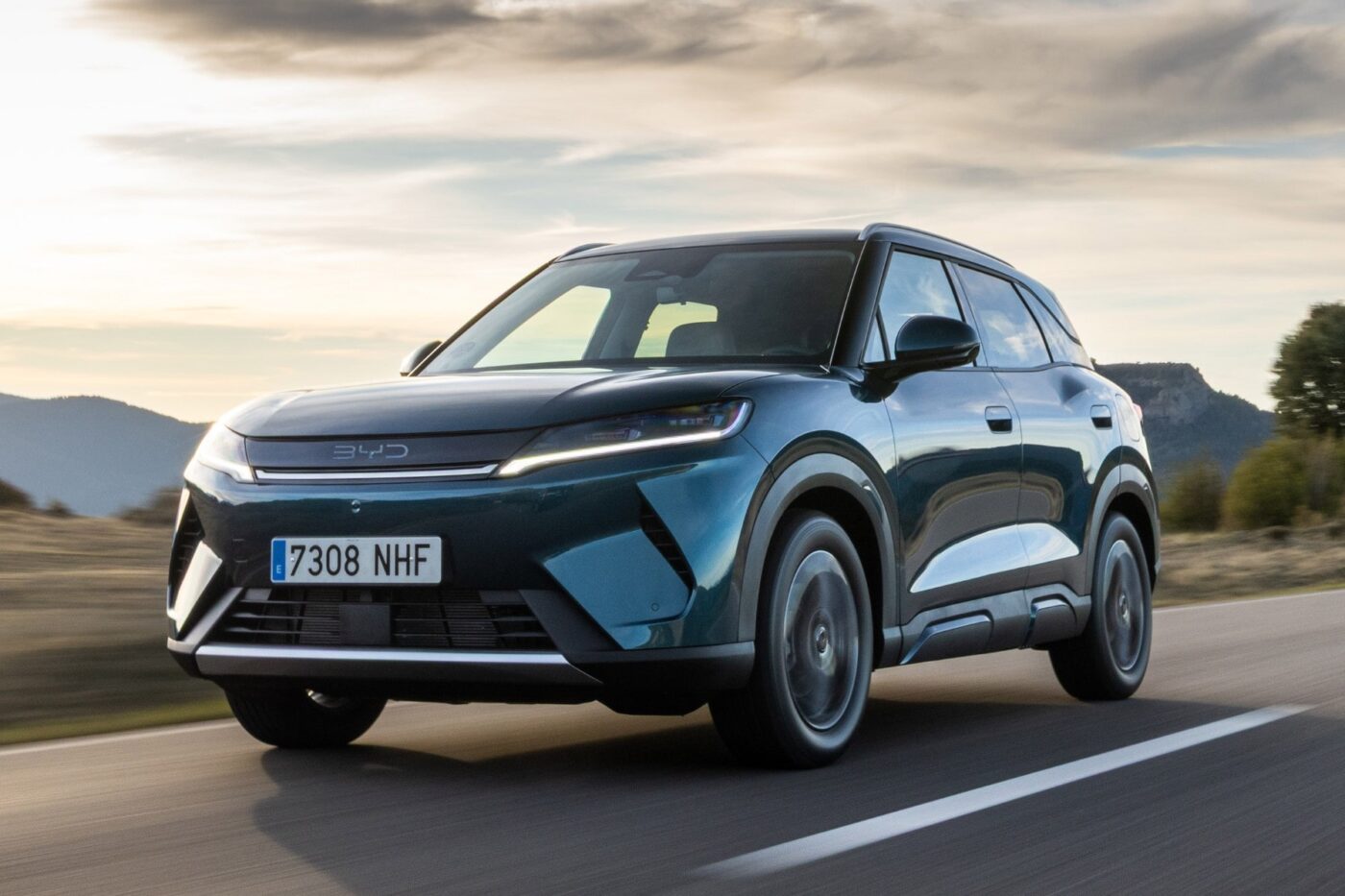
A Clear Message from Detroit
During a recent appearance at the Detroit Economic Club, U.S. President Donald Trump delivered an unexpectedly direct message to global automakers: foreign electric vehicle brands, including those from China, are welcome in the U.S. market—under specific conditions. His remarks suggested a notable shift in tone amid ongoing debates around trade, manufacturing, and the future of the American auto industry.
Trump emphasized that Chinese companies could compete in the United States as long as they commit to local production and American jobs. The message was concise but firm: access to the U.S. market should come with tangible investment on U.S. soil.
Local Manufacturing as the Entry Ticket
The condition attached to Trump’s openness was clear. Foreign automakers must build factories in the United States and hire American workers. According to Trump, this approach ensures that economic benefits—such as employment and industrial growth—remain domestic, regardless of the automaker’s country of origin.
By framing the issue around jobs rather than nationality, Trump positioned foreign EV investment as a potential win for U.S. communities. Manufacturing plants, supply chains, and local hiring were presented as the core metrics by which overseas automakers should be judged.
Chinese Automakers Are Already Watching Closely
Chinese EV manufacturers have long viewed the U.S. as a strategic opportunity. As the world’s second-largest car market, the United States represents both scale and influence. Several Chinese firms quietly explored consumer interest and regulatory conditions at CES in Las Vegas earlier this year, signaling growing confidence in their global ambitions.
Among them, Geely—parent company of Volvo and Polestar—confirmed it is actively evaluating a U.S. market entry. If realized, such a move would mark one of the first direct introductions of a major Chinese automaker to American consumers without relying on legacy Western branding.
Detroit’s Growing Competitive Pressure
For legacy U.S. automakers, the prospect of Chinese EV brands entering the domestic market is not theoretical. Executives have openly acknowledged the quality and speed of innovation coming from China. Ford CEO Jim Farley has publicly praised the Xiaomi SU7, a model often cited as a symbol of China’s rapid EV advancement.
At the same time, consumer sentiment is shifting. Younger buyers—particularly those under 44—are increasingly open to purchasing Chinese-branded EVs, driven by price sensitivity, technology features, and design. This trend cuts across political lines and suggests a market that may be more competitive than Detroit has faced in decades.
Jobs, Prices, and Political Calculations
Trump’s position appears rooted in a straightforward calculation: the U.S. benefits whether consumers buy domestic or foreign-branded cars, provided production happens locally. New factories mean jobs, and increased competition could lead to more affordable vehicles for consumers navigating high interest rates and rising living costs.
However, for American automakers, the implications are complex. While local manufacturing requirements level part of the playing field, Chinese firms’ cost structures and EV expertise could intensify pressure on pricing and margins across the industry.

A High-Stakes Bet on Competition
By signaling openness rather than outright resistance, Trump outlined a strategy that favors controlled competition over exclusion. The approach bets on American workers, infrastructure, and market size as enduring advantages.
Whether this policy ultimately strengthens U.S. manufacturing—or accelerates disruption in Detroit—will depend on how quickly Chinese automakers move, how regulators respond, and how effectively legacy brands adapt. What is clear is that the global EV race is no longer something the U.S. can keep at arm’s length.
Recommend Reading: U.S. Electric Vehicle Sales Set to Decline in 2025 After Years of Growth


Share:
Which EVs Still Grew After Incentives Ended—and Why It Matters
Global Plug-In Vehicle Sales Hit 20 Million in 2025 as U.S. Momentum Fades