



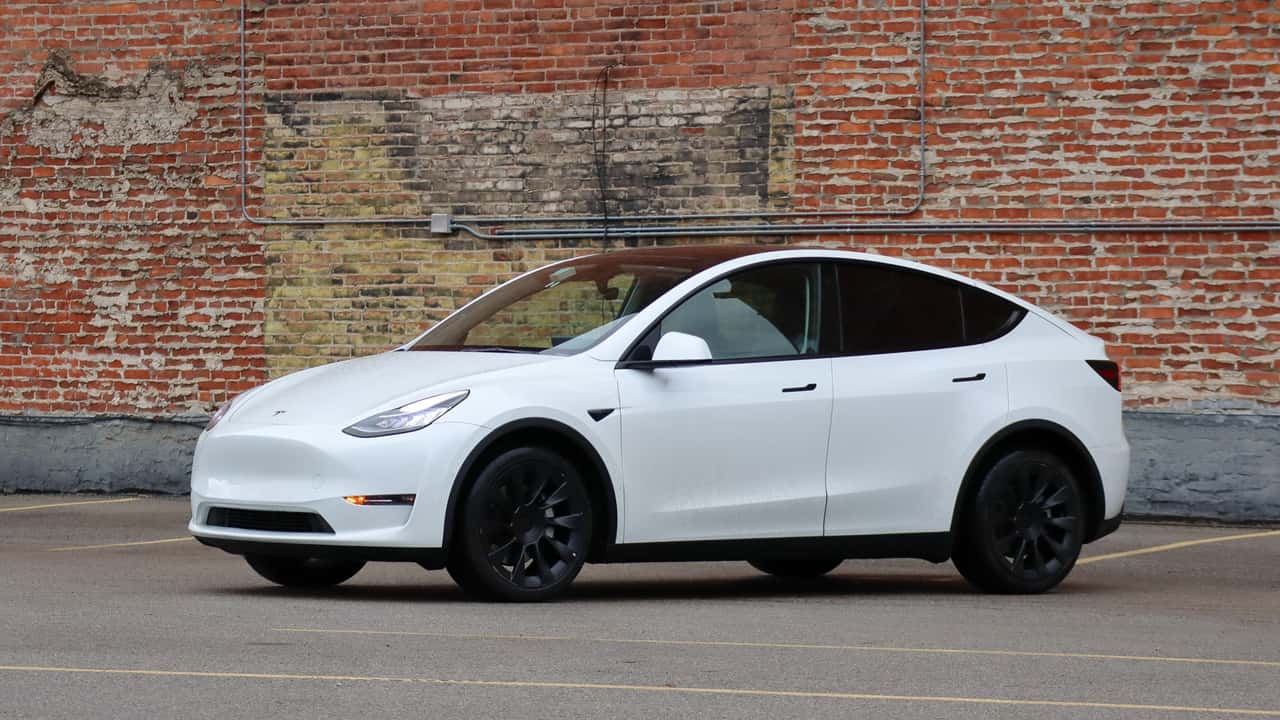
The U.S. electric vehicle market delivered a mixed picture at the end of 2025. Annual sales remained historically strong, yet the final quarter exposed just how dependent many models had become on federal incentives. Still, a small group of EVs managed to grow in Q4 despite the loss of the $7,500 tax credit, offering valuable clues about where real demand still exists.

A Strong Year Masked a Sudden Q4 Shock
In total, Americans purchased about 1.27 million EVs in 2025, according to Cox Automotive—only slightly below the all-time record set in 2024. On the surface, that looks like stability.
But the timing tells a different story. Once the federal $7,500 tax credit expired at the end of Q3, EV sales fell sharply. Q4 volume dropped to roughly 234,000 units, down 46% from Q3 and 36% year-over-year. Most electric models posted declines as buyers rushed purchases forward earlier in the year.
A Small Group That Defied the Downturn
Despite the slump, around a dozen EV models posted year-over-year growth in Q4. These vehicles came from brands like Tesla, General Motors, Porsche, Mercedes-Benz, Lucid, Volvo, and Volkswagen, and they grew without the support of federal incentives or strict fuel-economy penalties under relaxed CAFE rules.
According to Cox Automotive, the common factor was buyer profile. Premium customers were far less sensitive to the loss of incentives, continuing to purchase based on product appeal rather than subsidies.
Q4 2025 EV Models That Posted Growth
| Model | Q4 2025 | Q4 2024 | % Change |
|---|---|---|---|
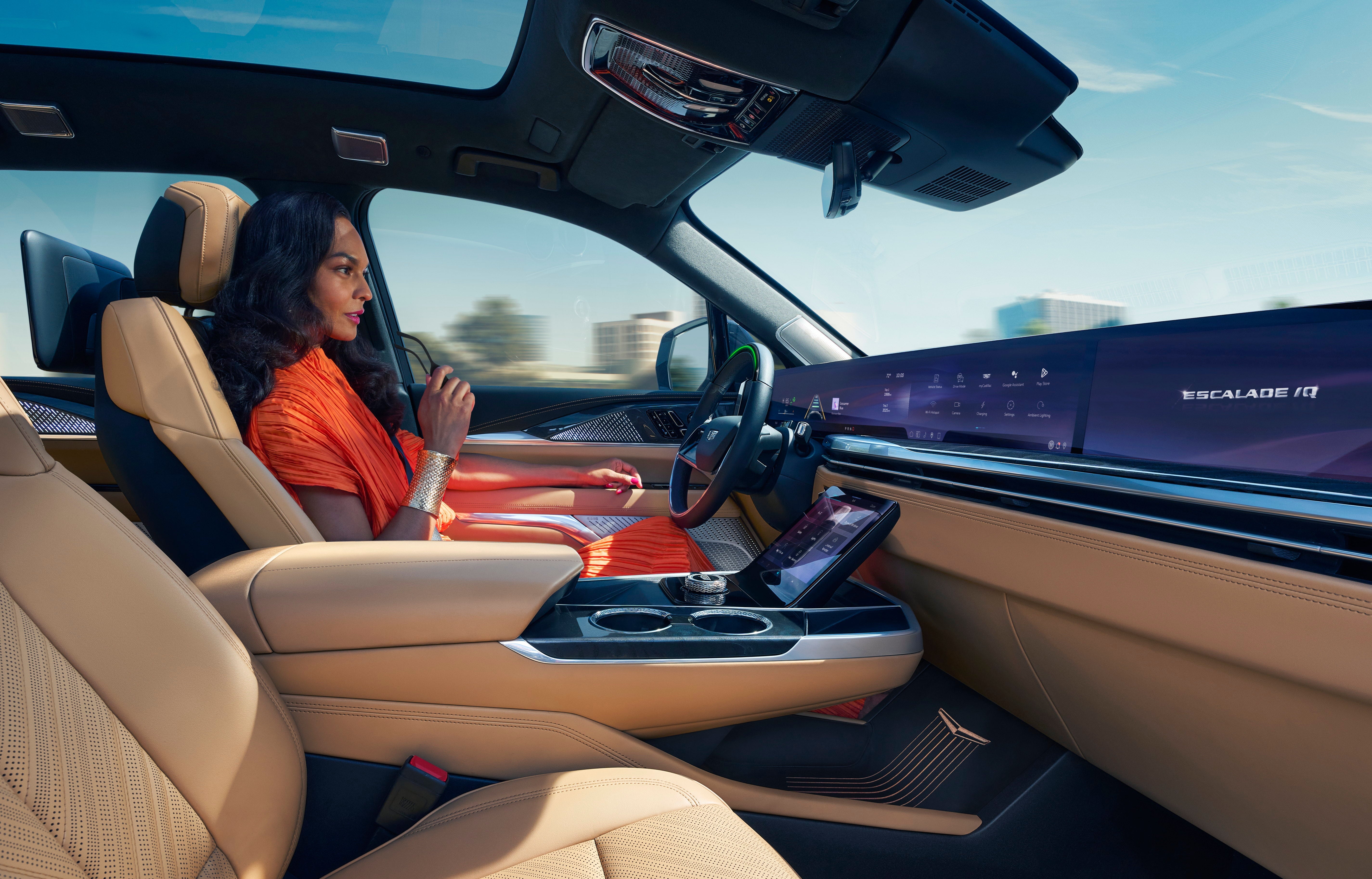
| Cadillac Escalade IQ | 2,085 | 670 | 211.2% |
| Chevy BrightDrop Zevo | 995 | 543 | 83.2% |
| Jeep Wagoneer EV | 438 | 231 | 89.6% |
| Lucid Air | 3,188 | 2,790 | 14.3% |
| Mercedes-Benz EQE | 1,126 | 972 | 15.8% |
| Mercedes-Benz eSprinter | 258 | 161 | 60.2% |
| Porsche Taycan | 1,672 | 1,353 | 23.6% |
| Tesla Model Y | 92,460 | 85,506 | 8.1% |
| Volvo EX30 | 942 | 229 | 311.4% |
| Volvo EX90 | 991 | 749 | 32.3% |
| Volkswagen ID. Buzz | 1,206 | 1,162 | 3.8% |
Why These Models Kept Selling
In some cases, growth was expected. Cadillac Escalade IQ volumes surged as production ramped, making year-over-year comparisons favorable.
Other models earned their gains more directly. Porsche’s Taycan received major updates, including faster charging and a higher-density battery that delivered tangible range improvements. That made the car more competitive even at a premium price point.
Tesla followed a similar playbook. The Model Y benefited from a mid-cycle refresh, improved ride quality, and aggressive financing offers such as 0% APR, which remained available even after incentives ended. These changes helped Tesla’s best-seller maintain momentum while rivals struggled.
Incentives Matter—But Product Matters More
With the exception of Tesla, most EVs that grew in Q4 sit firmly in the luxury or premium-adjacent segment. Buyers spending $70,000 or more were often ineligible for incentives anyway, making them less reactive to policy changes.
This highlights a broader lesson: when EVs offer clear advantages in design, technology, and usability, incentives become less critical. The challenge is replicating that appeal at lower price points.
What This Means for the Next EV Wave
More than 30 new or refreshed EVs are expected to launch in the U.S. in 2026, many aimed closer to mainstream budgets. Models like the Rivian R2, Chevy Bolt revival, and next-generation Nissan Leaf will test whether strong products can sustain demand without heavy subsidies.
The Q4 data suggests that newness and differentiation still drive growth, even in a tougher policy environment. Aging models slowed. Fresh, well-positioned vehicles found buyers.

A Market Reset, Not a Collapse
The late-2025 sales drop was real, but it wasn’t universal. Strong brands with compelling products continued to grow, offering a roadmap for the industry’s next phase. The EV market may be cooling—but it is also becoming more selective.
Recommend Reading: U.S. Electric Vehicle Sales Set to Decline in 2025 After Years of Growth

Share:
Rivian Moves R2 Closer to Market With Key Factory Milestone
Trump Signals Openness to Chinese EV Makers—If They Build in America