





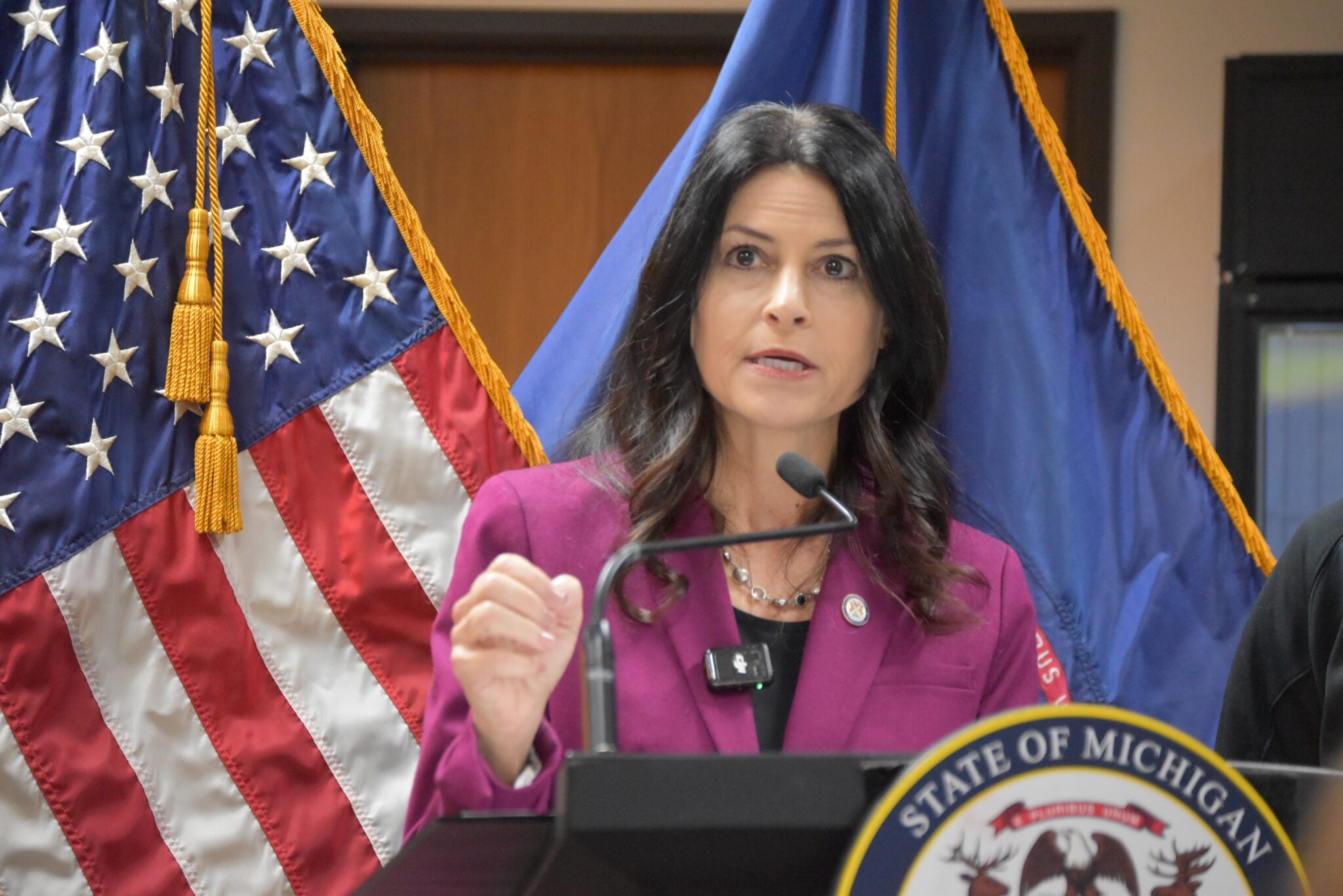
Michigan has launched a sweeping federal antitrust lawsuit against some of the world’s largest oil companies, arguing that decades of coordinated behavior slowed the adoption of electric vehicles, suppressed renewable energy, and kept energy prices artificially high for consumers. The case places the fossil-fuel industry at the center of the state’s struggle with rising energy costs and a faltering EV transition.

A Lawsuit Targeting Oil Industry Power
Michigan Attorney General Dana Nessel has filed a 126-page federal complaint against BP, Chevron, Exxon Mobil, Shell Oil, and the American Petroleum Institute. The lawsuit alleges that these companies colluded to limit competition in transportation and energy markets, reducing innovation while maintaining dominance over fossil fuels.
According to the filing, the defendants engaged in unlawful coordination that constrained renewable electricity generation and slowed the growth of electric vehicles. Michigan is seeking a jury trial, unspecified financial damages, and repayment of profits it claims were earned through anti-competitive practices.
Claims of a Long-Term Anti-EV Strategy
At the core of the lawsuit is the claim that oil companies worked together as a de facto cartel to delay cleaner energy alternatives. The state argues that this conduct extended far beyond lobbying and entered the realm of illegal market manipulation.
Michigan alleges that oil companies deliberately slowed EV adoption by hindering charging infrastructure, particularly at fuel stations they control. The complaint also claims the companies postponed development of hybrid and battery technologies they once helped pioneer, limiting the availability of viable alternatives to gasoline-powered vehicles.
Allegations of Misinformation Campaigns
The lawsuit further accuses the defendants of financing misinformation efforts aimed at undermining public confidence in EVs and renewable energy. These efforts allegedly included partnerships with think tanks, advocacy groups, blogs, and sympathetic media outlets to amplify doubts about battery safety, grid reliability, and climate science.
Michigan argues that these campaigns distorted consumer perceptions and delayed EVs from reaching meaningful market scale, costing residents billions in higher transportation and energy expenses.
High Energy Costs and Industry Headwinds
Michigan currently faces some of the highest electricity prices in the United States, a factor the lawsuit links directly to limited competition and delayed renewable deployment. The state also remains deeply tied to the traditional auto industry, which has recently slowed or scaled back EV investments.
Ford, General Motors, and Stellantis have all revised their EV timelines, citing softer demand and regulatory uncertainty. Automakers have increasingly emphasized “consumer choice” while renewing investments in internal combustion vehicles, reinforcing Michigan’s reliance on fossil fuels.
Federal Policy Shifts Add Context
The lawsuit unfolds amid a broader policy shift under President Donald Trump’s second administration. Federal actions have included rolling back fuel economy standards, canceling EV charger funding, and eliminating EV tax credits. Trump has framed these moves as necessary to “unleash American energy.”
Michigan’s filing argues that these policy reversals compound the damage caused by decades of alleged oil-industry interference, leaving consumers with fewer clean-energy options.
Industry Pushback and Legal Precedent
The American Petroleum Institute has dismissed the lawsuit as politically motivated, arguing that energy policy should be decided by Congress rather than courts. Chevron has also pushed back, noting that similar climate-related lawsuits have been dismissed in multiple states.
While Michigan’s case relies on antitrust law rather than environmental claims, it follows a wave of litigation from states such as Maine, New Jersey, and Connecticut accusing oil companies of misleading the public about climate impacts.

A High-Stakes Test for Energy Competition
Michigan officials argue that gasoline dominance persists not because it is cheaper or superior, but because alternatives were intentionally restrained. If successful, the lawsuit could reshape how courts view competition in the energy transition and set a precedent for future antitrust actions against fossil-fuel companies.
Recommend Reading: California Plans $200 Million EV Incentive Program


Share:
What Happens to an EV Battery When Parked Unplugged in Freezing Weather?
2026 Toyota RAV4 PHEV Review: Practical Plug-In Power for Everyday Driving