





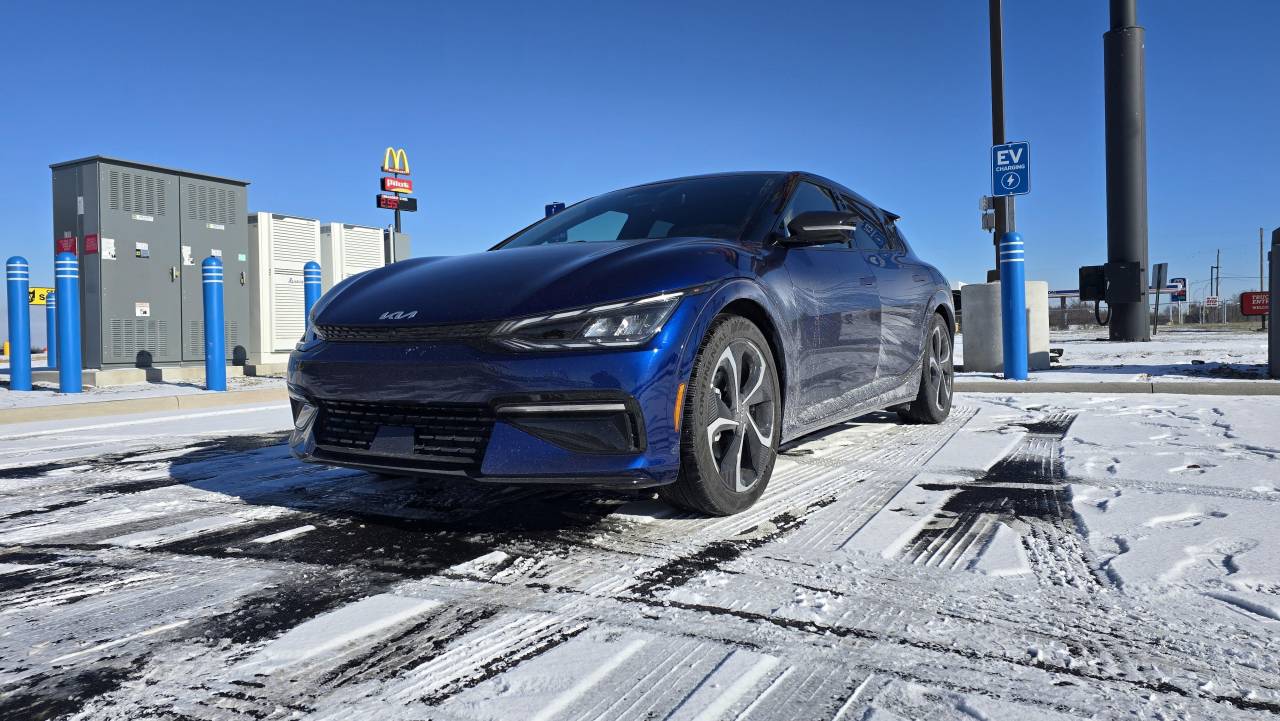
Upstate New York winters are long, cold, and unforgiving. By late November, temperatures routinely drop into the low 30s, with occasional plunges well below freezing. While humans can layer up or escape south, electric vehicles must simply endure the cold. That raises a common concern among EV owners: what happens to battery range when an EV is left unplugged in cold weather for weeks?
To answer that question, I unintentionally ran a real-world winter storage test—one that challenges a persistent myth about EVs and battery drain.

Cold Weather and EV Batteries: The Common Fear
Cold temperatures are widely known to affect lithium-ion batteries. Extreme heat is harmful, but low temperatures reduce chemical efficiency, leading to lower available range and slower charging speeds. This reality has fueled a belief among non-EV drivers that leaving an electric car unplugged for an extended period—especially in winter—will result in a dead battery.
That fear becomes especially relevant for people who travel during the holidays, leave vehicles at airports, or park a second car for weeks at a time. The concern is simple: will the car still have usable charge when you return?
A Real-World Winter Storage Test With a Kia EV6
In mid-December, my family and I left New York for nearly a month. Our Kia EV6 remained parked in a detached, unheated garage from December 15 to January 10, facing average temperatures in the 30s, with occasional dips to 12°F.
Before leaving, the EV6 was charged to 80%, displaying 183 miles of estimated range. The vehicle was left completely unplugged, and I intentionally avoided checking the Kia smartphone app to prevent any unnecessary battery wake-ups.
For context, this EV6 is a Dual-Motor AWD Wind model, rated at 282 miles of EPA range. Like many EVs, its onboard range estimate fluctuates significantly with temperature.
The Results: Almost No Range Loss
After 28 days of sitting unplugged in freezing conditions, the results were surprisingly uneventful.
When I returned, the EV6 showed 78% battery charge and 180 miles of range. A few minutes later, after restarting the vehicle, the estimate increased back to 183 miles.
In practical terms, the car lost virtually no usable range. Even if the percentage dropped slightly, it did not translate into real-world driving loss. The high-voltage battery and the 12-volt system remained healthy and functional.
What This Means for Long-Term EV Parking
This experience reinforces an important takeaway: modern EVs are far more resilient during storage than many people assume. Leaving an EV unplugged for several weeks in cold weather is unlikely to result in catastrophic battery drain.
That said, best practices still matter. Always consult your owner’s manual, as recommendations vary by manufacturer:
-
Hyundai and Kia generally recommend leaving the vehicle plugged in when possible
-
Ford advises unplugged storage around 50% charge for extended periods in some cases
-
Tesla recommends remaining plugged in and minimizing app usage, with features like Sentry Mode disabled
For the EV6 specifically, Kia advises charging the high-voltage battery at least once every three months during long-term storage.
EV Storage vs. Gas Cars: A Fair Comparison
It is also worth remembering that internal combustion vehicles are not immune to storage problems. 12-volt batteries can die, fuel can degrade, and fluids can deteriorate when cars sit unused for extended periods.
In this case, the EV6 handled weeks of winter inactivity better than many gas-powered vehicles I have owned, requiring no jump-starts, maintenance, or recovery efforts.

The Bottom Line for EV Owners
If you plan to leave your EV parked in cold weather for weeks, it is probably not a big deal. Follow your manufacturer’s guidance, avoid unnecessary app checks, and aim for a reasonable state of charge before departure.
Modern EVs are designed to manage battery health intelligently—even when winter is doing its worst.
Recommend Reading: How to Protect Your EV Battery in cold weather?







Share:
Volvo Is Reinventing Plug-In Hybrids to Drive More Like Electric Cars
Michigan Files Antitrust Lawsuit Accusing Oil Industry of Blocking EV Progress