



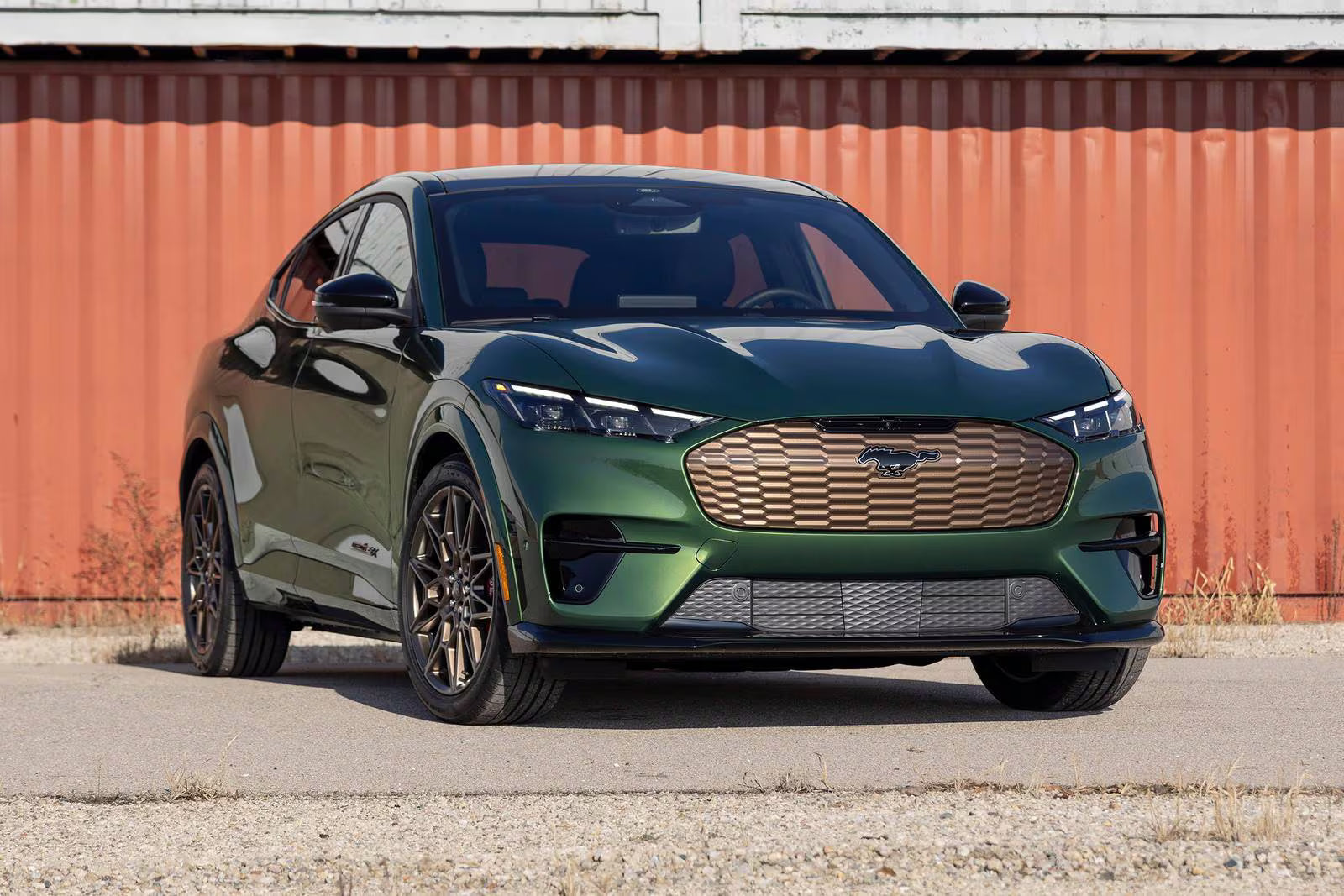
Introduction: A Mustang for the EV Era
The Ford Mustang Mach-E marked a turning point for electric vehicles from traditional automakers. Once considered a quirky experiment—a “Mustang-inspired crossover”—it has now proven that Ford can deliver an EV that excites drivers and competes with Tesla. Since its launch in 2020, the Mach-E has outsold the gas Mustang and consistently ranked just behind the Tesla Model Y in sales.
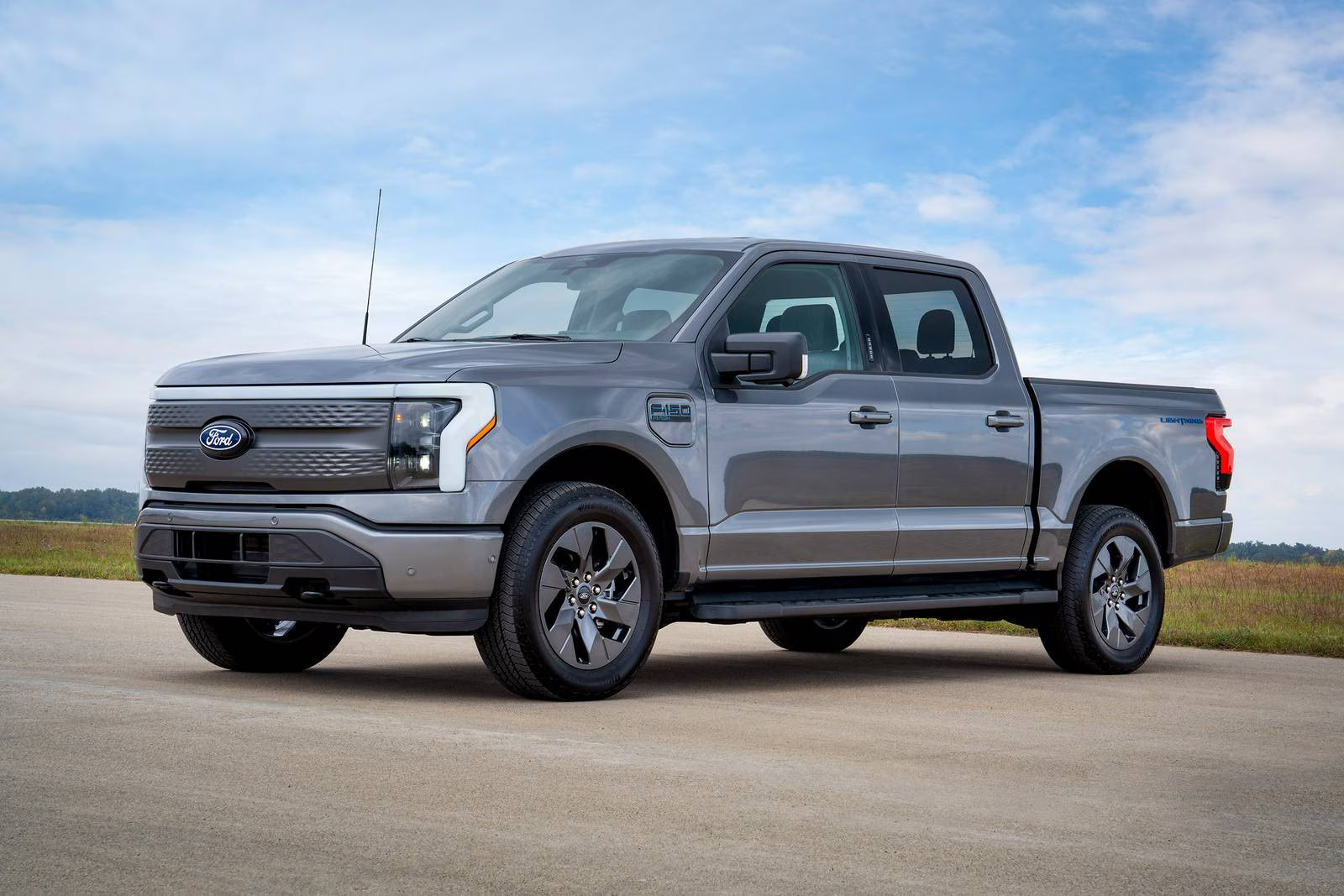
As we enter 2026, the EV market has evolved. Many automakers have scaled back ambitious projects, yet the Mach-E remains, even as its sibling, the F-150 Lightning, faced challenges. The question now: does the Mach-E still hold its ground?

2025 Ford Mustang Mach-E Select RWD: Specs at a Glance
| Feature | Details |
|---|---|
| Base Price | $37,995 |
| As-Tested Price | $40,830 (incl. $1,995 destination fee) |
| EV Range | 260 miles EPA-rated |
| Battery | 73 kWh LFP |
| Drive Type | Rear-wheel-drive |
| Output | 264 hp, 387 lb.-ft. torque |
| 0-60 MPH | 5.5 seconds (est.) |
| Max DC Fast Charging | 115 kW, 10%-80% in ~38 minutes |
Trims, Battery Options, and Features
The Mach-E lineup offers four trims: Select, Premium, GT, and Rally. Rear-wheel drive is standard on lower trims, while dual-motor all-wheel drive is optional or standard on GT/Rally models. Battery capacity ranges from 73 kWh to 91 kWh, offering up to 320 miles of range with the Extended Range option.
My Glacier Gray tester was a base Select RWD with the 73 kWh LFP battery and minimal options beyond the $745 connected package. The EPA-rated 260 miles range is modest for 2025, though real-world performance proved adequate. Standard features include Ford's BlueCruise hands-free highway driving system and over-the-air software updates that keep the vehicle improving.

Driving Experience: Fun Behind the Wheel
The Mach-E was designed to be enjoyable, not just practical. Despite modest power in the Select RWD (264 hp, 387 lb.-ft. torque), it accelerates to 60 mph in under six seconds. The rear-wheel-drive layout adds playful handling, allowing drivers to tease the rear end without compromising stability.
Despite being larger than competitors like the Kia EV6 or Hyundai Ioniq 5, the Mach-E feels compact, thanks to tight steering and a well-tuned chassis. It maintains the Mustang ethos: a driver-focused EV that’s engaging on city streets or winding roads.
Interior space is sufficient for most adults, with 29.7 cubic feet of cargo behind the rear seats and 59.7 cubic feet total with seats folded. The frunk remains, albeit smaller to accommodate the heat pump. Standard synthetic leather adds a premium feel, though heated seats, a heated steering wheel, and a power tailgate are missing from the base trim.
Technology and Infotainment
The Mach-E’s 15.5-inch portrait touchscreen dominates the cabin, controlling navigation, climate, and media. EV-specific route planning is well-integrated, and using a Tesla Supercharger via NACS adapter works seamlessly.
However, the system can feel sluggish when switching between apps or navigating menus. Voice commands are adequate but not exceptional. Physical controls are minimal, which some drivers may miss. On the plus side, Ford’s smartphone app excels, offering vehicle location, remote locking, keyless entry, charging management, and driver authorization—outclassing most rivals in convenience.

Range and Charging Performance
The base 260-mile range initially seems limited, but efficiency proved respectable at 3.1–3.5 miles per kWh in real-world driving. Fast charging worked well: a Supercharger stop raised the battery from 25% to 78% in 23 minutes, while a 240-kW station brought 36% to 65% in just over 10 minutes.
Ford’s BlueOval Charge Network ensures broad compatibility with Electrify America, Tesla Superchargers, EVgo, ChargePoint, and Shell Recharge, simplifying long-distance travel and reducing app clutter.
Pricing and Market Position
At $40,830 as tested, the Mach-E remains competitive, though rivals like the Chevy Blazer EV and Equinox EV now surpass it in space or range at similar prices. The Model Y Standard competes with slightly better software and Supercharger access but offers less range than the Mach-E Select.
Despite its age, the Mach-E platform benefits from Ford’s over-the-air updates, hands-free driving tech, and seamless charging ecosystem. For buyers seeking a used EV, the Mach-E is an attractive value proposition.

Conclusion: Still a Strong Choice
The 2025 Mach-E demonstrates that Ford can deliver a practical, fun, and tech-savvy electric crossover. It may lag behind competitors in range, charging speed, or some interior features, but its driving experience, hands-free tech, and software ecosystem remain excellent.
Until Ford introduces its next-generation Universal EV Platform cars in 2027, the Mach-E continues to hold its own, offering a compelling combination of performance, technology, and practicality. For EV enthusiasts, it remains a highly enjoyable choice, embodying the Mustang spirit in the electric age.
Recommend Reading: Ford’s Affordable EV Platform Faces Uncertain Future in Europe

Partager:
Are Extended-Range EVs Becoming Obsolete?
Why Tesla Needs to Refocus on Expanding Its EV Lineup