



Introduction
Lithium iron phosphate (LFP) batteries are gaining rapid traction in the electric-vehicle industry. Compared with the nickel-manganese-cobalt (NMC) chemistries used in most lithium-ion packs, LFP offers clear advantages in cost, durability, and long-term stability. These strengths are prompting more American automakers to integrate LFP into new and upcoming EV models.

Why LFP Technology Is Expanding
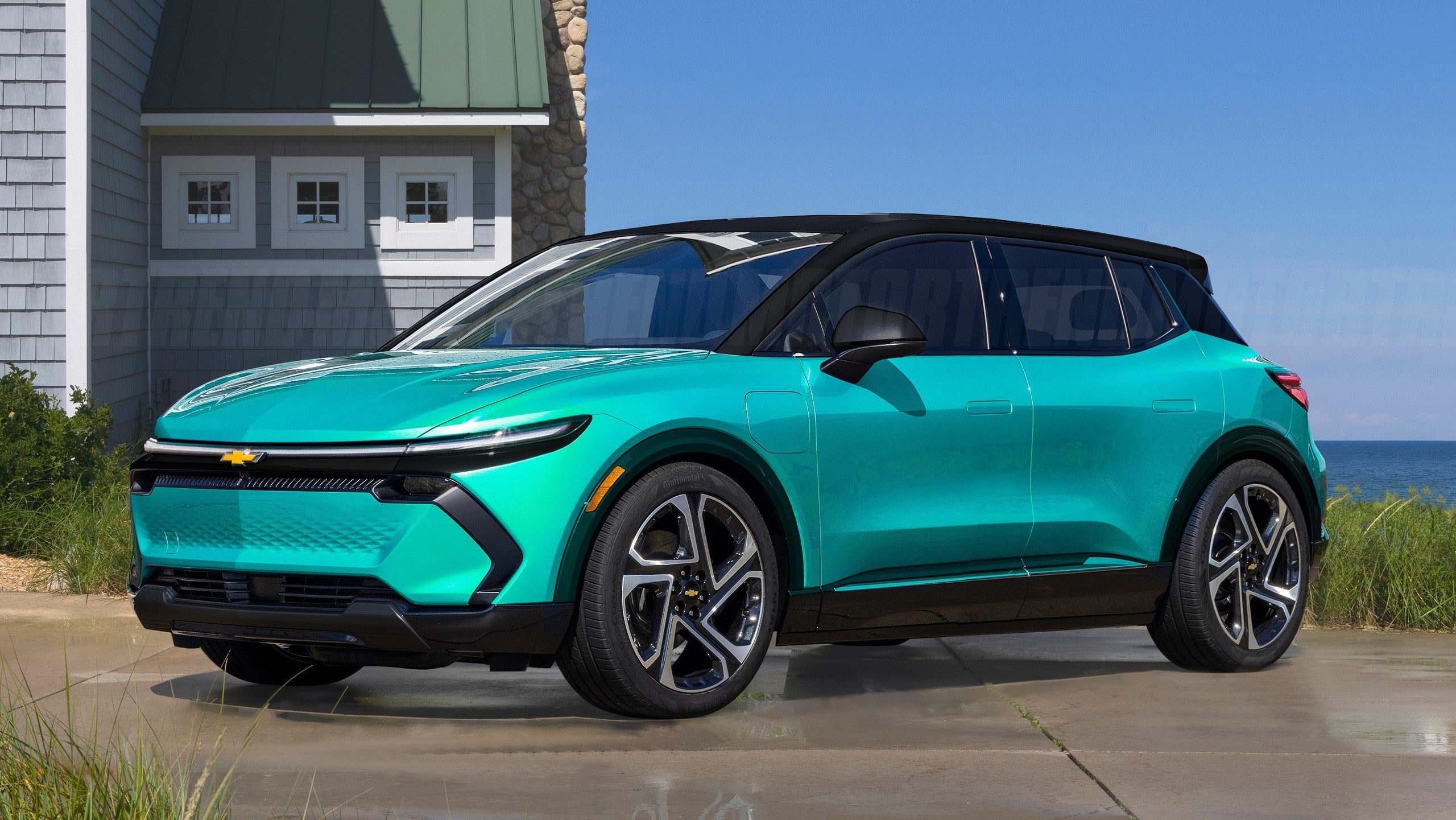
LFP’s biggest draw is its lower manufacturing cost. This is why companies including Ford, GM, Tesla, and Rivian have introduced LFP-equipped vehicles. The 2027 Chevrolet Bolt, for example, will use LFP batteries—a crucial factor in its below-$30,000 starting price.
Yet LFP is not without drawbacks. While LFP can be charged to 100% repeatedly with minimal degradation, it delivers lower energy density and performs worse in cold temperatures. As a result, an LFP pack often provides less driving range than an NMC pack of similar size, and cold-weather fast charging can be unreliable if the battery fails to precondition properly.
The U.S. Push to Build LFP Supply Chains
China currently dominates global LFP production, giving its automakers a major head start. But the U.S. is accelerating its own investment wave. Ford, General Motors, and Rivian—together with battery suppliers like LG Energy Solution and SK On—are committing billions of dollars to domestic LFP manufacturing facilities.
The motivation is straightforward: LFP can dramatically reduce EV production costs, potentially improving profitability and making electric cars more accessible to mainstream buyers. And since most drivers travel fewer than 100 miles per day, LFP’s shorter range is a practical trade-off.
Still, U.S. adoption has lagged due to limited domestic production and complications surrounding tariffs and geopolitical tensions with China. Currently, only a small group of EVs in the U.S. use LFP, though more models are on the way.
LFP-Powered EVs on Sale in the U.S.
Rivian Commercial Van
Rivian’s electric delivery van features a 100-kWh LFP pack offering up to 161 miles of range. It supports DC fast charging at up to 100 kW and AC charging at 11 kW.
Rivian R1S and R1T
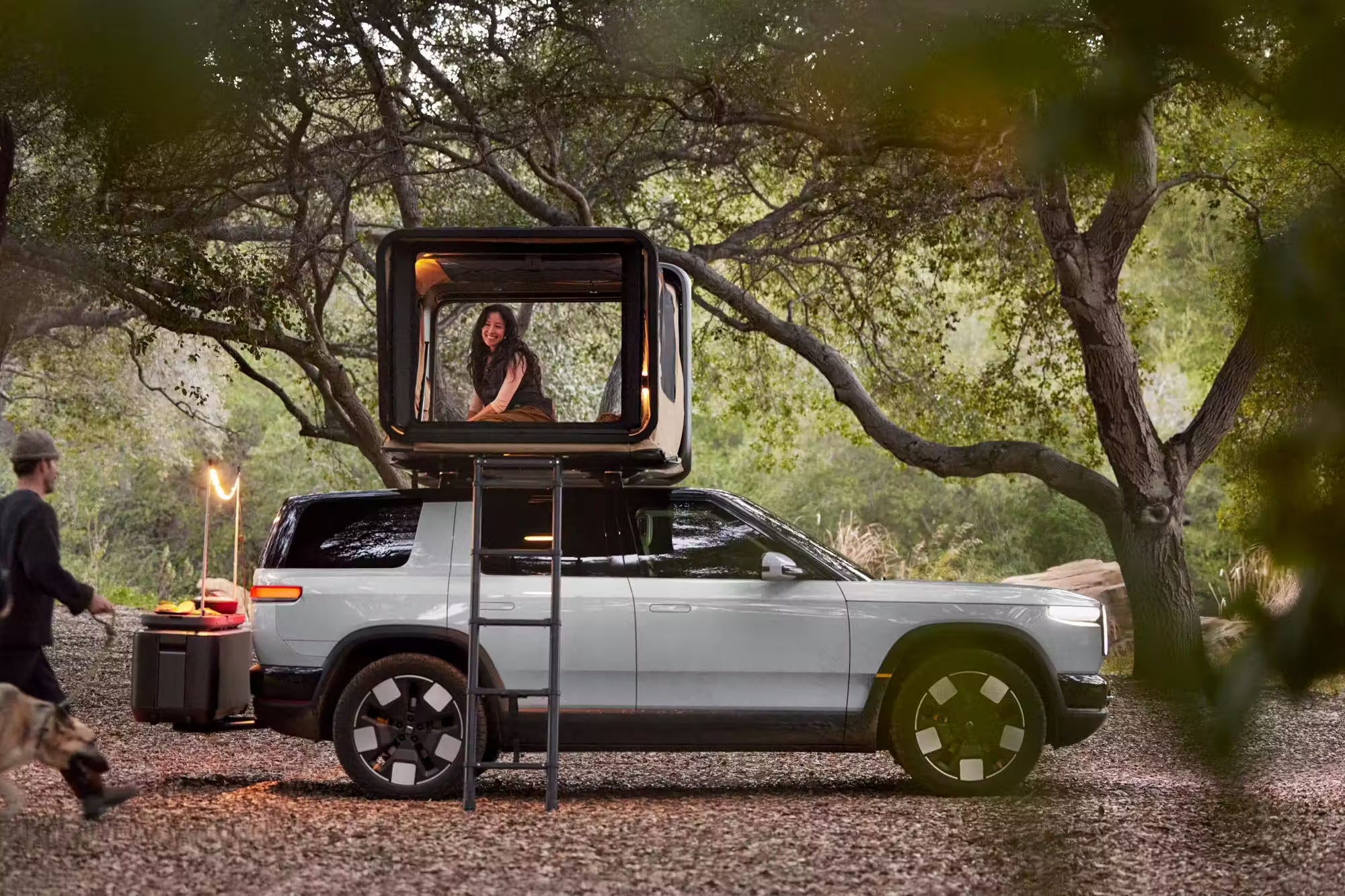
The updated R1S and R1T offer a 92.5-kWh LFP battery option on their entry-level dual-motor Standard models. The EPA-estimated range reaches 270 miles.
Ford Mustang Mach-E
Ford’s base Mustang Mach-E can be equipped with a 73-kWh LFP Standard Range battery. Range varies from 260 miles for the single-motor version to 240 miles with dual motors.

LFP EVs No Longer in Production
Tesla Model 3 Rear-Wheel Drive
The least-expensive Model 3 previously used an LFP pack rated at 272 miles of range. However, changes to federal tax-credit rules—combined with tariffs on Chinese-made batteries—ended U.S. availability in late 2024. Used models remain on the market.
Upcoming U.S. EVs With LFP Batteries
Domestic production will expand significantly over the next several years, with at least three notable entries confirmed.
2027 Chevrolet Bolt EV
The returning Bolt will use a 65-kWh LFP pack arranged in a cell-to-pack structure. GM expects 255 miles of range, improved efficiency, and 150-kW fast charging. Packs will initially be imported, shifting to U.S. production once the GM–LG Energy Solution facility in Tennessee opens in late 2027.
Chevrolet Silverado EV (Future Variant)
GM is reportedly evaluating an LFP option for the Silverado EV’s second generation. This would reduce cost and broaden the truck’s market reach, though at the expense of range.
Ford’s Affordable Midsize Electric Pickup
Ford’s upcoming midsize electric truck—scheduled for 2027—will feature an LFP battery estimated at roughly 51 kWh. Production will rely on Ford’s LFP cell manufacturing efforts in Michigan under a licensing agreement with CATL.
Recommend Reading: Sodium-Ion Batteries Reach U.S. Grid Storage, But Big Challenges Remain
Share:
Xpeng’s Global Tech Ambitions Grow as It Bets Big on AI and Autonomy
Waymo’s New Zeekr-Built Robotaxi Emerges Ahead of Wider U.S. Expansion