



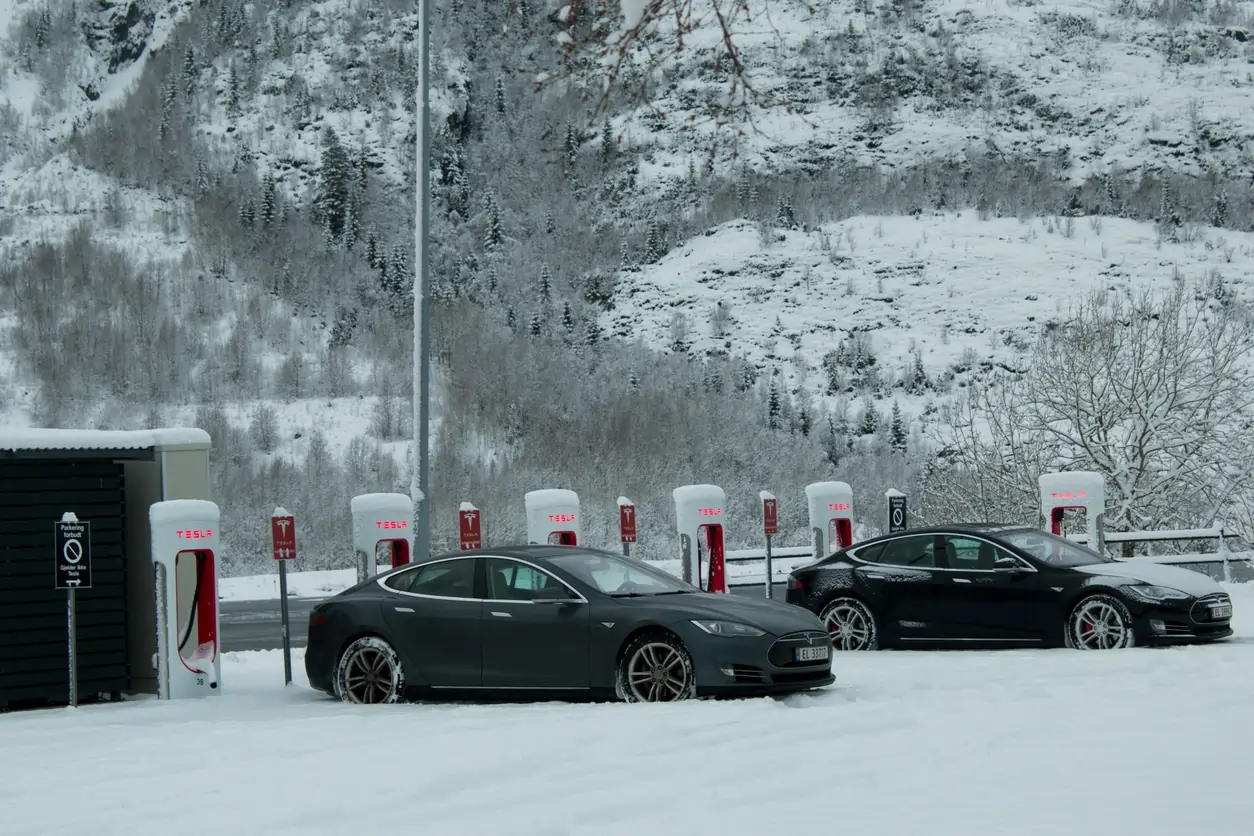
Electric vehicles (EVs) are becoming increasingly popular, but winter weather presents unique challenges for EV owners. Cold temperatures can reduce battery efficiency, extend charging times, and affect driving range, making winter trips more demanding. Preparing for winter travel requires understanding how your EV performs in low temperatures and adopting practical strategies to optimize charging and driving performance. This guide provides detailed tips to help EV owners maintain efficiency and avoid common issues during cold-weather travel.

Understanding Cold Weather Impact on EV Batteries
EV batteries are particularly sensitive to temperature changes. In cold weather:
-
Battery capacity drops: Most lithium-ion batteries lose efficiency when temperatures fall below 32°F (0°C), which reduces the vehicle’s driving range.
-
Slower charging speeds: Cold batteries accept energy more slowly, particularly when using DC fast chargers, which can extend stop times significantly.
-
Increased energy consumption: Heating systems, defrosters, heated seats, and other auxiliary systems draw additional power from the battery, further reducing range.
Being aware of these effects is critical for planning longer winter trips. Failing to consider cold weather impacts can leave drivers stranded or frustrated with slower charging and unexpected range loss.

Pre-Condition Your Battery Before Driving
One of the most effective ways to maintain battery performance in winter is battery pre-conditioning. Many modern EVs allow you to heat both the battery and cabin while the car is still plugged in.
-
Plug in during pre-conditioning: Pre-heating the vehicle while charging ensures the battery reaches an optimal temperature without using stored energy.
-
Schedule departure times: Vehicles like Tesla, Hyundai Ioniq 5, and Kia EV6 allow owners to set departure times so the battery and cabin automatically warm up before driving.
-
Reduce battery load while driving: Pre-heating the cabin before unplugging reduces the amount of energy drawn from the battery while on the road, preserving range.
Tip: Pre-conditioning is especially important for early morning trips or extremely cold regions, where battery temperature can drop overnight.
Use the Right Charging Methods
Different types of charging can be affected by winter weather in varying ways:
-
Level 1 (120V) home charging: Very slow in cold weather and generally not suitable for long trips, except for emergency charging.
-
Level 2 (240V) home or public charging: More efficient for cold-weather charging, allowing higher states of charge overnight or between trips.
-
DC fast charging: Can heat the battery automatically in some EVs, but charging may still be slower in extreme cold.
Important: Cold battery temperatures can trigger battery thermal management systems, limiting charging speed temporarily. Plan charging stops with extra time in winter to accommodate slower charge rates.

Keep Your EV Plugged In When Parked
Whenever possible, leave your EV connected to a charger when parked in cold weather.
-
Maintains battery temperature: The car uses minimal energy to keep the battery at an optimal temperature.
-
Preserves range: Reduces energy loss compared to leaving the battery exposed to freezing temperatures.
-
Supports faster charging: A warmer battery accepts charging current more quickly than a cold one.
For long-distance winter travel, charging overnight at home or at hotels with EV chargers can make a significant difference in performance and convenience.
Monitor State of Charge and Plan Charging Stops
Winter driving requires careful state-of-charge (SoC) management:
-
Start trips with a higher SoC: Aim for 80–90% before longer drives, as range drops in cold weather.
-
Plan frequent charging stops: Shorter trips between stations reduce stress on the battery and prevent running low in freezing temperatures.
-
Use EV route planning apps: Tools like PlugShare or A Better Routeplanner help identify charging stations and calculate realistic range in winter conditions.
Pro Tip: Avoid letting the battery drop below 20% in cold weather, as batteries have limited performance and buffer under freezing temperatures.

Optimize Cabin Heating and Auxiliary Loads
Cabin heating significantly affects winter range. To maximize efficiency:
-
Use heated seats and steering wheels first: Targeted heating is more efficient than heating the entire cabin.
-
Pre-heat while plugged in: This reduces battery draw while driving and improves comfort from the first mile.
-
Use eco modes if available: Some EVs offer cabin heating eco modes, balancing comfort with energy conservation.
-
Drive efficiently: Avoid aggressive acceleration and high-speed driving in winter, as cold temperatures can increase energy consumption and reduce range.
Extra Tip: Keep the cabin slightly cooler and layer clothing rather than relying entirely on the heater, which reduces energy drain.

Keep Charging Equipment Winter-Ready
Winter can also affect charging equipment:
-
Inspect cables and connectors: Cold temperatures can make cables stiff and more prone to wear or cracking.
-
Avoid ice and snow buildup: Ensure the charging port is clear before connecting to prevent damage or poor connection.
-
Use covered or indoor chargers when possible: Protects both your EV and the charging equipment from extreme weather.
Remember: Winter preparedness includes not only the vehicle but also safe and efficient charging practices.
Emergency Tips for Winter EV Travel
Even with preparation, winter trips can present unexpected challenges:
-
Carry a portable charger or adapter: Useful if you encounter a station incompatible with your EV.
-
Know local towing and service options: Some EV service centers provide roadside assistance for battery issues in extreme cold.
-
Pack blankets, snacks, and water: In case of long delays, these essentials help ensure safety and comfort.
-
Keep a small shovel and ice scraper: Snow or ice can block charging ports or prevent vehicle access.
Safety first: Planning for contingencies reduces stress and ensures a safer winter journey.

Conclusion
Winter EV travel requires careful planning, battery management, and smart charging strategies. Pre-conditioning, maintaining an optimal state of charge, using the right charging methods, optimizing cabin heating, and keeping equipment winter-ready are all essential steps. Following these cold-weather charging tips helps EV owners maintain performance, preserve range, and enjoy safer, more reliable trips even in the harshest winter conditions.
Recommend Reading: EV Charging Times Explained: How Long It Really Takes
Partager:
How to Cut EV Charging Costs by 30%: Practical Strategies That Actually Work
Best EV-Friendly Campgrounds in the US and Canada