



Europe’s electric vehicle market proved more resilient than many expected in 2025. Despite reduced subsidies and slower overall demand growth, EV adoption continued to rise across the continent. For many buyers, the decision to go electric is no longer about ideology—it is increasingly about convenience, cost, and practicality.
However, the gains of 2025 may represent the easy phase. As Europe enters 2026, automakers face intensifying competition, supply chain vulnerabilities, and a rapidly evolving charging landscape. The next year will likely determine whether Europe can maintain control over its EV transition or cede ground to global rivals.

Public Charging Became a Non-Issue for Many Drivers
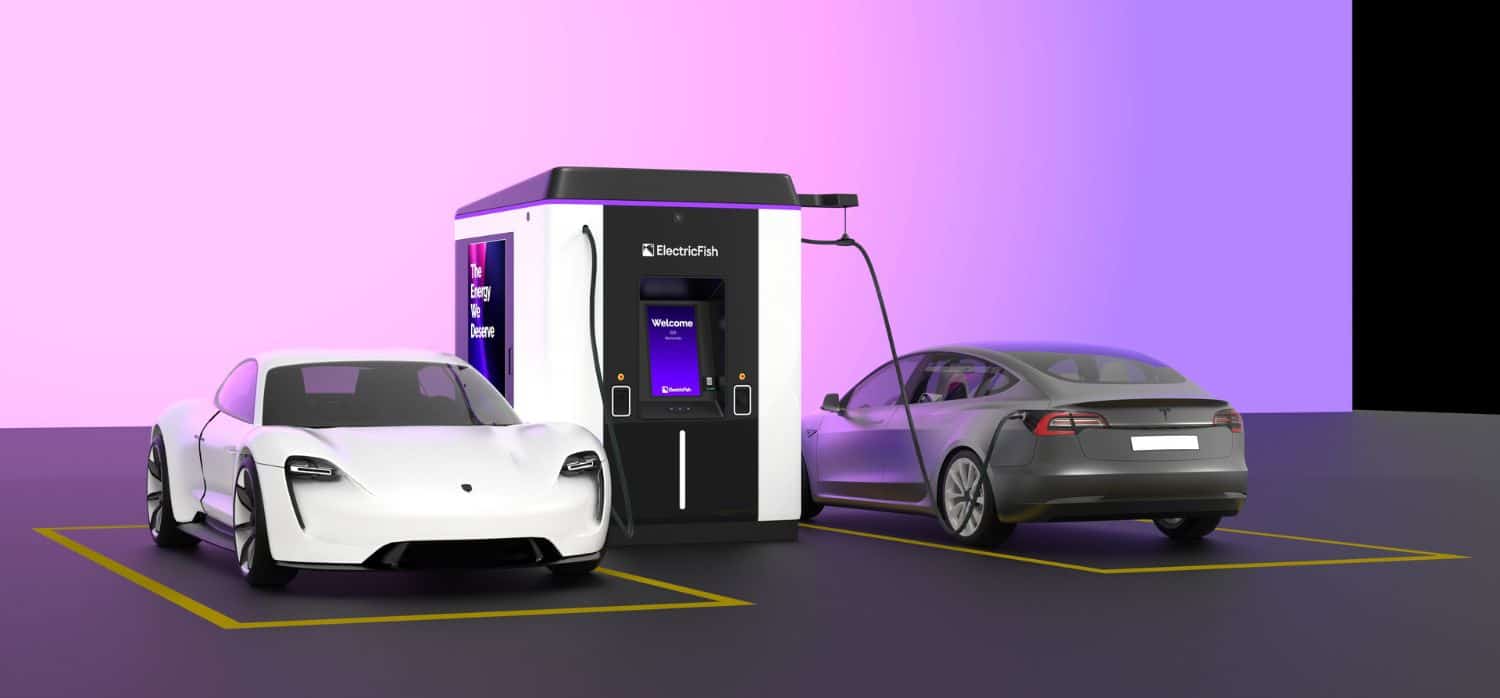
One of the clearest improvements in 2025 was the expansion and reliability of public charging infrastructure. Compared with just three years ago, finding a working charger in most European countries is far easier, even during peak travel periods.
According to the European Commission, the EU now hosts more than one million public chargers, excluding major EV markets like Norway and Switzerland. The Netherlands leads with nearly 200,000 public charging points, the highest per-capita density in Europe, though most are low-power AC units. Norway, the global leader in EV adoption, operates around 30,000 chargers, roughly one-third of which are DC fast chargers.
Real-world experience reflects this progress. Long-distance EV travel across Europe in 2025 required little more planning than driving a combustion vehicle, especially for 800-volt EVs capable of reaching 80% charge in about 20 minutes.
EV Sales Rose Even as Incentives Declined
Despite widespread reductions or cancellations of EV incentives, European consumers continued to buy electric vehicles in growing numbers. Data from Benchmark Mineral Intelligence shows that plug-in vehicle sales across Europe rose 33% year over year through November 2025, reaching approximately 3.8 million units.
Within the EU alone, the European Automobile Manufacturers’ Association (ACEA) reported that battery-electric vehicles accounted for 16.9% of new car sales, up from 13.4% in 2024. That equals 1.66 million new EVs, concentrated primarily in Germany, France, Belgium, and the Netherlands.
This growth came at the expense of internal combustion vehicles. Gasoline car sales fell 32% in France during the first 11 months of 2025, while the EU overall saw a decline of 18.6%. November data was particularly strong, with EU EV sales up 44.1% year over year.
Chinese Automakers Are Gaining Ground Fast
European brands are no longer competing only among themselves. Chinese automakers such as BYD and Geely significantly expanded their presence in 2025. Research cited by Forbes shows that Chinese-brand plug-in vehicles nearly doubled their European market share, rising from 3.4% to 6% in a single year.
China’s advantage extends beyond vehicles to infrastructure and technology. The country operates over 19 million public and private chargers combined, with average public charging power exceeding 45 kW and some vehicles capable of megawatt-level charging. Europe currently tops out around 350–400 kW, though networks like Ionity have begun deploying 600 kW-capable hardware.

EV Ownership Is Easy—Supply Control Is Not
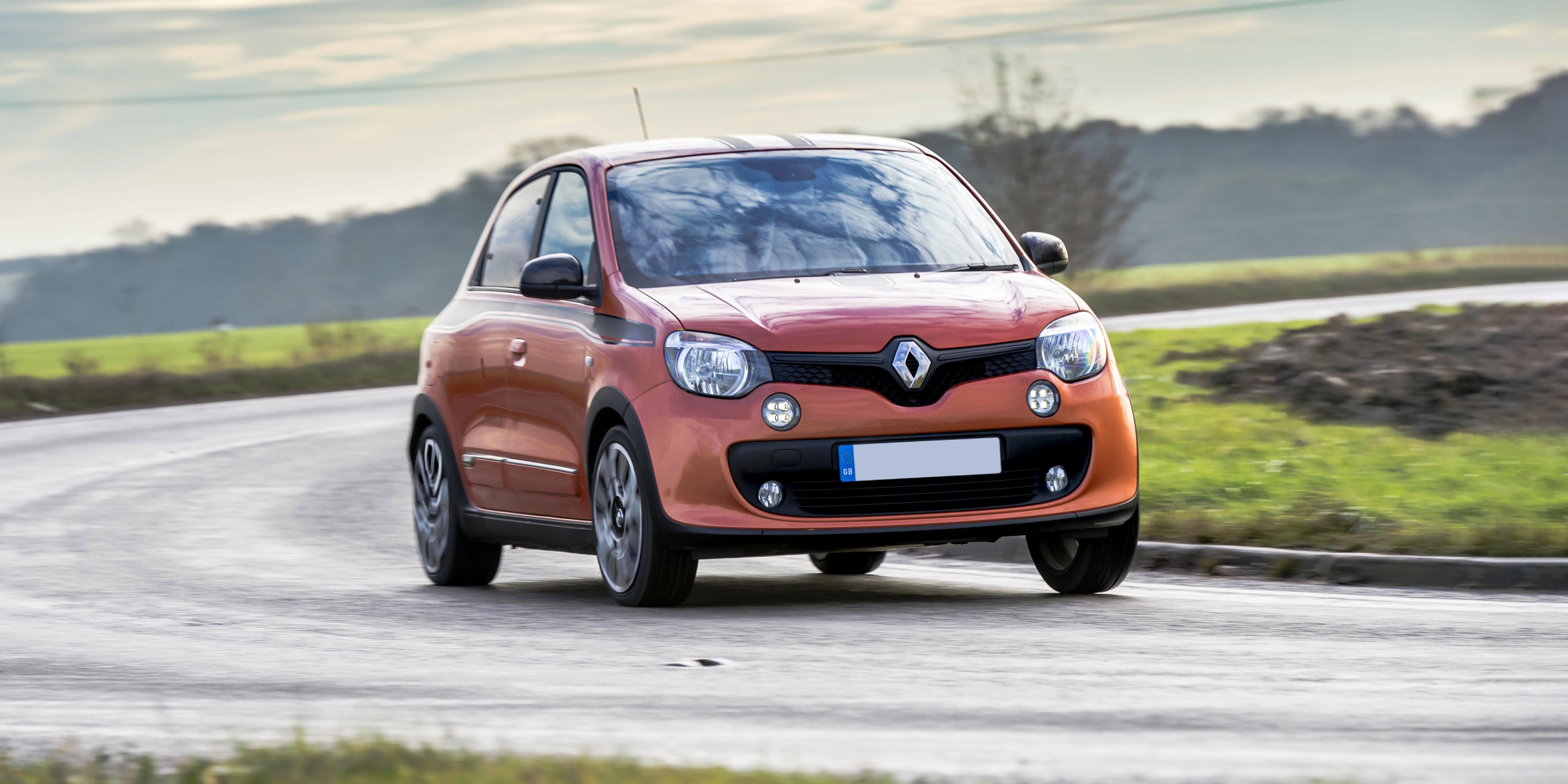
By 2025, buying and owning an EV in Europe became simpler and more affordable than ever. Models like the Renault 5 E-Tech, which surpassed 100,000 units produced in just 15 months, demonstrate that European automakers can still succeed in the mass-market EV space.
Yet a major risk remains. China dominates global battery production, and a significant share of cells and raw materials used in European EVs still originate there. Without localized battery manufacturing and supply chains, Europe risks replacing oil dependence with battery dependence.
Why 2026 Will Be a Turning Point
The momentum of 2025 showed that European consumers are ready for EVs even without heavy incentives. The real challenge now lies in protecting industrial competitiveness, strengthening supply chains, and delivering EVs that can outperform lower-cost Chinese alternatives.
What happens in 2026 will likely set the direction for Europe’s EV industry for the rest of the decade.
Recommend Reading: Renault Revives the Twingo as a Budget EV to Rival Low-Cost Chinese Cars
Partager:
Analysts Predict Tesla Sales Surge by 2029
Tesla’s Robotaxi Rollout Lagged Behind Its 2025 Promises