





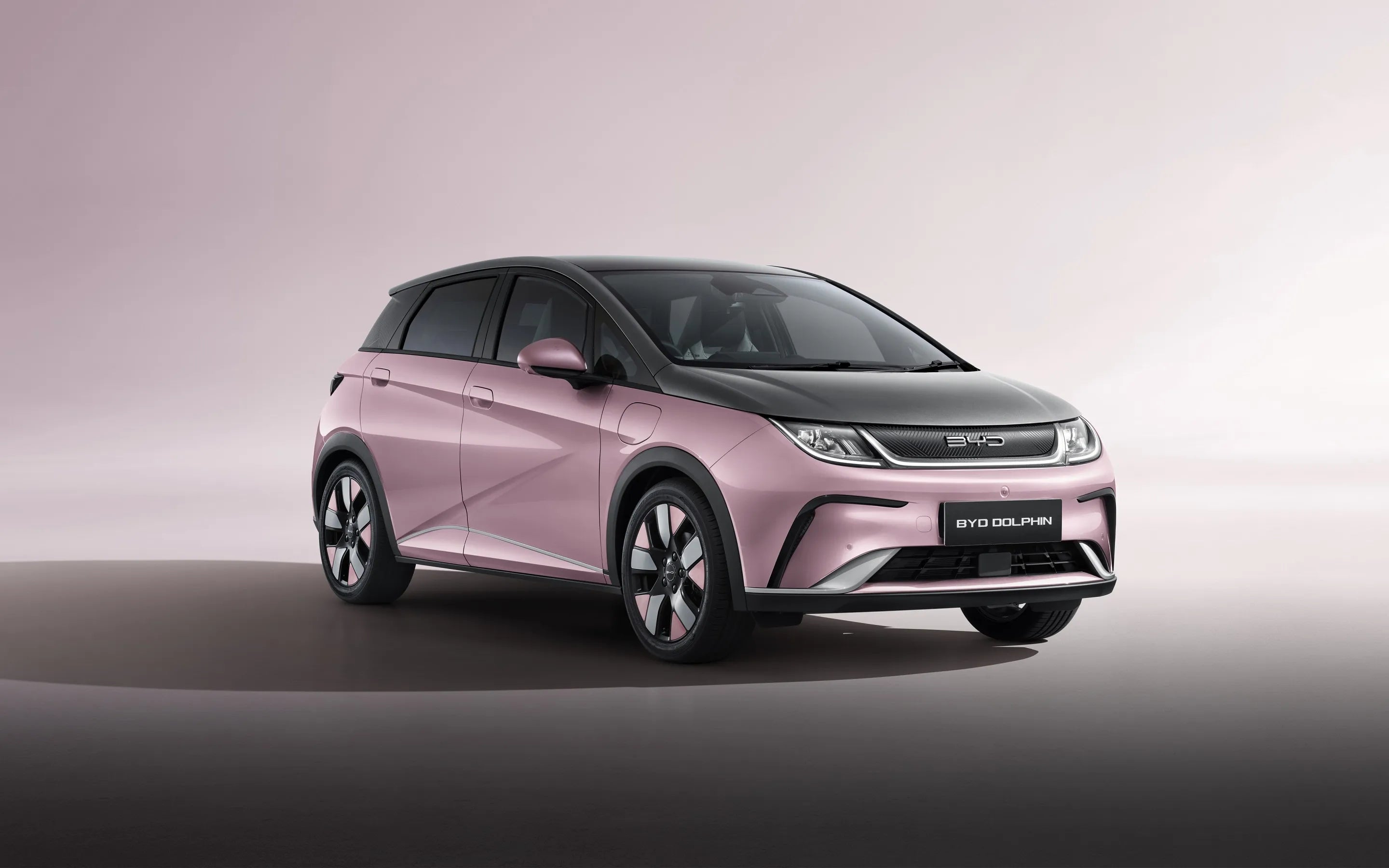
China’s electric vehicle industry is entering a new phase of global expansion. As growth in the domestic market begins to moderate, Chinese automakers are increasingly turning to overseas demand to sustain momentum. New export data from late 2025 shows that strategy is delivering rapid results, especially in Mexico, Europe, and parts of Southeast Asia.
According to figures released by the Chinese government and cited by Bloomberg, Chinese EV exports surged sharply in November, signaling that international markets are becoming a critical growth engine for the country’s largest manufacturers.

Export Volumes Hit New Highs in 2025
In November alone, China exported nearly 200,000 electric vehicles, representing an 87% increase compared with November 2024. Over the first 11 months of 2025, total EV exports reached just under 2 million units, putting the full-year total on track to set another record.
While Asia remains the largest destination by volume, growth outside the region is accelerating at a much faster pace. Latin America and Europe, in particular, are emerging as major beneficiaries of China’s expanding EV supply.
Mexico Emerges as a Key Growth Market
Mexico has become one of the fastest-growing destinations for Chinese EVs. In November, 19,344 Chinese-built EVs were delivered to Mexico, marking a staggering 2,367% year-over-year increase. Through November, total exports to the country reached 96,194 units, up 150% from 2024.
BYD has played a central role in this surge. The automaker has launched multiple new models in Mexico and is now the leading EV brand in the market. BYD has publicly stated its goal of selling 100,000 vehicles annually and is actively evaluating sites for a major manufacturing facility in Mexico, which would support production for all of Latin America.
Latin America and the Caribbean Gain Momentum
Beyond Mexico, Latin America and the Caribbean recorded a 283% year-over-year increase in Chinese EV imports in November. For the year to date, the region is up 65%, with Mexico and Brazil standing out as the largest markets.
Lower-priced models, expanding charging infrastructure, and favorable government policies have helped Chinese automakers gain traction in these emerging EV markets, where affordability remains a decisive factor.
Europe Continues to Import Despite Trade Barriers
Chinese EV exports to Europe also continued to grow, despite increasing regulatory and cost pressures. More than 42,000 units were shipped to Europe in November, bringing the year-to-date total to over 600,000 vehicles, a 12% increase compared with 2024.
This growth has occurred even as many Chinese brands face import tariffs exceeding 40%, along with distributor markups and regional compliance costs. In some cases, the same vehicle can cost more than 50% more in Europe than in China, yet demand has remained resilient.
The United Kingdom and Belgium were the largest European recipients in November, each importing around 9,000 vehicles. Through November, the UK recorded approximately 121,000 imports, while Belgium reached 195,000 units, underscoring their role as key entry points for Chinese EVs into Europe.
Asia Remains the Largest Regional Destination
Asia, excluding China, continues to account for the largest share of Chinese EV exports. Nearly one million vehicles were shipped to the region through November, representing a 36% increase year over year.
Countries such as Indonesia, Thailand, the Philippines, and Malaysia led the growth, driven by government incentives and rising interest in affordable electric mobility solutions.

Looking Ahead: Growth Today, Uncertainty Tomorrow
Despite export success, most EVs produced in China are still sold domestically. In 2024, China built around 17 million EVs, roughly 70% of global production. Approximately 11 million units remained within the country, though not all were sold immediately. Some were registered in bulk and later resold abroad as low-mileage used vehicles.
While 2025 has been a strong year for exports, 2026 may prove more challenging. Western automakers are preparing to launch a new generation of competitive EVs, including models like the Mercedes-Benz CLA, BMW iX3, and electric Porsche Macan. These vehicles signal a tightening global EV race that could slow China’s export momentum.
Recommend Reading: BYD Dolphin Hits 1 Million Sales, Cementing Its Global EV Success


Share:
Chevy Silverado EV LT Review: 23,000 Miles of Strong Performance
Waymo’s Robotaxi Vision Still Needs Humans to Handle Simple Tasks