





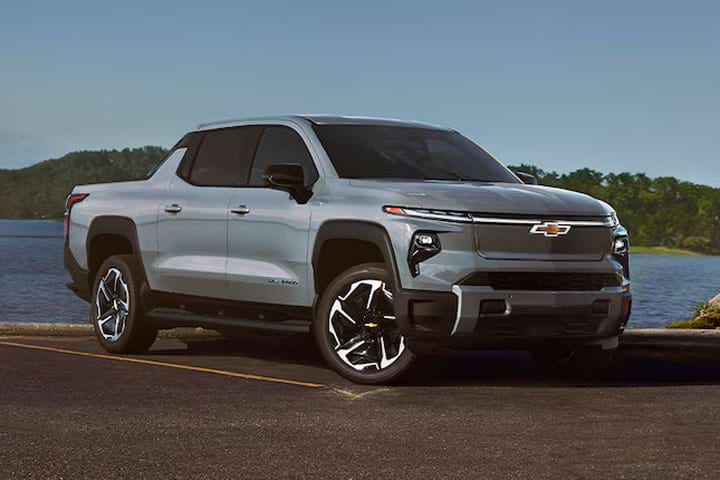
Electric trucks have struggled to gain traction in the market, with cancellations, slow sales, and heavy reliance on incentives. Despite the challenges for manufacturers, owners are often thrilled with their vehicles, as a recent review by YouTube channel HeyJohn highlights.

First Impressions and Ownership Experience
John purchased a 2025 Chevrolet Silverado EV LT at the end of 2024 and has since driven 22,820 miles without major issues. His experience reflects what many EV truck owners report: smooth, reliable, and surprisingly capable.
“I prefer to tow with this truck now, rather than my gas or diesel alternatives,” John says. He praises the powerful electric drivetrain, noting that it delivers consistent torque for towing and hauling heavy loads. No high-revving engine noise or diesel clatter adds to the comfort of long drives, making it the most enjoyable truck he’s owned.
Comfort and Maintenance Benefits
Beyond performance, the Silverado EV excels in comfort and low maintenance requirements. Unlike traditional gas or diesel trucks, John reports minimal upkeep, with fewer moving parts and less wear on components.
This reliability, combined with the quiet ride, provides a stress-free driving experience. Owners of large electric trucks often mention similar benefits, making them appealing for daily use and long-distance towing alike.
Pricing and Incentives
Cost remains a major factor in the electric truck market. John benefited from over $17,000 in savings, including the now-expired $7,500 federal tax credit, bringing the Silverado EV to a price comparable to gas trucks.
These incentives are crucial for making EV trucks affordable. Without them, the large batteries required for towing and long-range capability drive prices significantly higher than traditional pickups. This pricing challenge is a core reason why electric trucks struggle to be profitable for automakers.
The Market Reality for Electric Trucks
The electric truck segment faces a paradox. EV trucks are superior in many ways, offering strong performance, low maintenance, and quiet operation. Yet high production costs make them expensive, forcing automakers to rely on heavy incentives.
This conundrum has caused cancellations of popular models and slowed the expansion of new EV trucks. While consumers benefit from discounts, manufacturers often cannot sell these vehicles profitably, limiting the growth of the segment.

Why Owners Still Love Them
Despite market struggles, owners like John are ecstatic with their electric trucks. For those who can find a good deal—whether new or lightly used—the value proposition is compelling: excellent towing, low maintenance, comfortable rides, and strong electric performance.
John concludes simply: “Would I buy it again? Absolutely.” His experience demonstrates that while electric trucks face economic challenges, they deliver an enjoyable and practical driving experience for buyers who prioritize performance and reliability.
Recommend Reading: Used Chevy Blazer EV Prices Drop Fast, Creating an Unusual Bargain Opportunity


Share:
Rivian Owners Modify Rear Doors to Ensure Safety in Emergencies
China’s EV Export Boom Accelerates Across Mexico, Europe, and Asia