



Why Used Teslas Remain Strong Picks
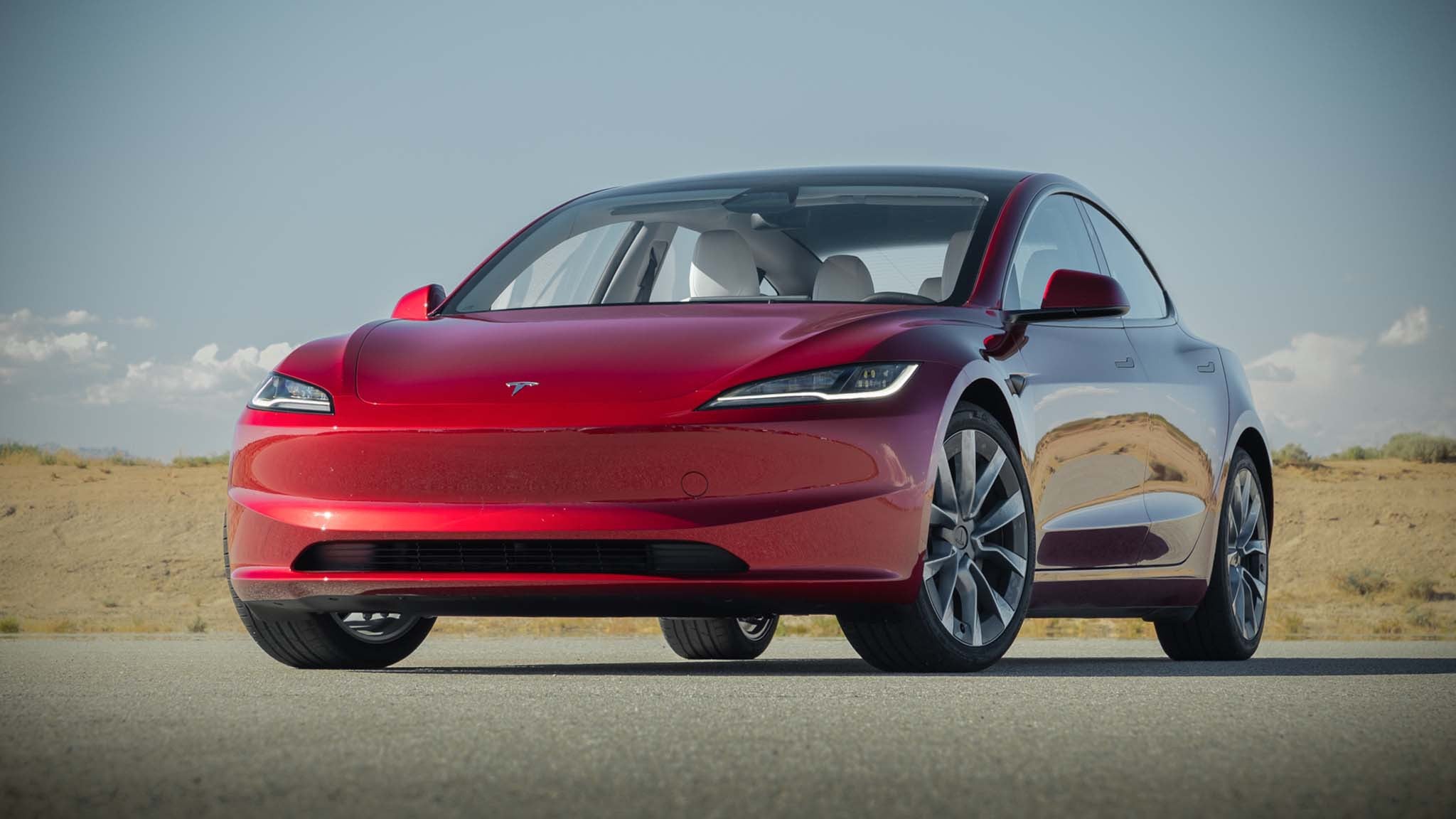
A used Tesla Model 3 continues to be one of the most attractive choices in the pre-owned EV market. Prices often drop below $20,000, yet buyers still enjoy a combination of software leadership, an extensive charging network, over-the-air updates, and road-tested reliability. Among secondhand EVs, few deliver the same balance of affordability, performance, and long-term usability as the Model 3.
But even with Tesla’s strong reputation, used EV shoppers naturally focus on the most important long-term component: the battery. Questions around degradation, remaining range, and real-world durability shape whether a used Tesla is truly a smart investment.

What Real-World Data Says About Battery Aging
Many early Model 3 owners now have more than 100,000 miles on their odometers, and most still report strong range retention. Independent companies that analyze EV battery health confirm this pattern. Voltest, a startup testing thousands of EVs, says roughly 70% of Teslas they examine retain 80% or more of original battery capacity. A decline is normal, but dramatic losses are uncommon.
Still, the chemistry inside the battery pack—LFP or NCA—appears to play a far greater role than many buyers realize.
LFP vs. NCA: Why Chemistry Matters More Than Age
Lithium iron phosphate (LFP) and nickel-cobalt-aluminum (NCA) batteries behave differently over time. LFP is known for its stability, heat tolerance, and ability to sustain 100% daily charging. NCA, the more common chemistry in U.S. Teslas, provides higher energy density and faster charging but tends to age more quickly, especially when used heavily.
To understand the difference in real-world conditions, Voltest analyzed 20 recently tested Model 3 units with over 100,000 miles each—half with LFP and half with NCA packs.
LFP Packs Show Remarkable Durability
The LFP-equipped Standard Range RWD Model 3s showed 87%–93% health remaining, even when driven 140,000–165,000 miles. This level of longevity goes beyond expectations for most lithium-ion cells, and the consistency suggests LFP has genuine long-term advantages.
These results also align with LFP’s known characteristics: slow chemical aging, resilience in high-temperature environments, and minimal stress from frequent full charging.
NCA Packs Lose More Capacity Over Time
The NCA-equipped Model 3 units—model years 2019 through 2022—returned 71%–83% state-of-health readings. While this is not catastrophic, it reflects faster decline and greater variability. Voltest noted that most NCA units clustered in the upper-70% range, which is typical for high-nickel chemistries after heavy usage.
Even though the NCA cars were older on average, Voltest’s CEO emphasized that the performance gap was too large to attribute to vehicle age alone.
Usage Habits Play an Underestimated Role
Battery age is one factor, but charging habits may be even more influential. The NCA cars tested had smaller usable capacity (52.4 kWh) than the LFP cars (60.5 kWh). Smaller packs naturally require more charging cycles per mile driven, which accelerates chemical wear.
Tesla also recommends different charging behaviors:
-
LFP vehicles: Charge to 100% regularly
-
NCA vehicles: Limit daily charging to 80%
Over years of ownership, that difference likely translates to significantly more cycles for NCA packs.
How to Identify an LFP Battery in a Used Tesla
Identifying which used Model 3 vehicles are LFP-equipped can be challenging, since listings rarely specify battery chemistry. Fortunately, there are two simple ways to check:
-
In-car menu:
Controls → Software → Additional Vehicle Information
(Battery type is listed there.) -
Charging recommendations:
The charging screen will explicitly recommend 100% daily charging for LFP-equipped cars. Non-LFP cars do not show this guidance.
Tesla switched its Standard Range RWD Model 3 to LFP cells in late 2021 and discontinued this version in October 2024, likely influenced by U.S. tariffs targeting Chinese battery imports.
Why You Might Still Want a Non-LFP Tesla
While LFP clearly wins on longevity, NCA packs offer advantages that many drivers value:
-
Longer range options
-
All-wheel-drive availability
-
Higher performance trims
A long-range NCA Tesla may still provide more usable range a decade from now than a smaller LFP pack, even considering the difference in degradation.

What’s Next for LFP EVs in the U.S.
LFP-equipped EVs remain limited in the U.S. today, found mainly in Rivian and Ford Mustang Mach-E models. Supply-chain constraints—especially China’s dominance in LFP production—continue to restrict broader adoption. However, upcoming models like the 2027 Chevrolet Bolt and Ford’s low-cost EV programs signal that more affordable LFP options are on the horizon.
For now, buyers seeking long-lasting packs in the used market will find their best opportunities in LFP-equipped Tesla Model 3 units from 2022–2024.
Recommend Reading: Why Modern EV Batteries Last Longer Than Most Drivers Expect

Partager:
EV Charging Times Explained: How Long It Really Takes
Ford’s $30K Electric Truck Bets on Smarter Design