



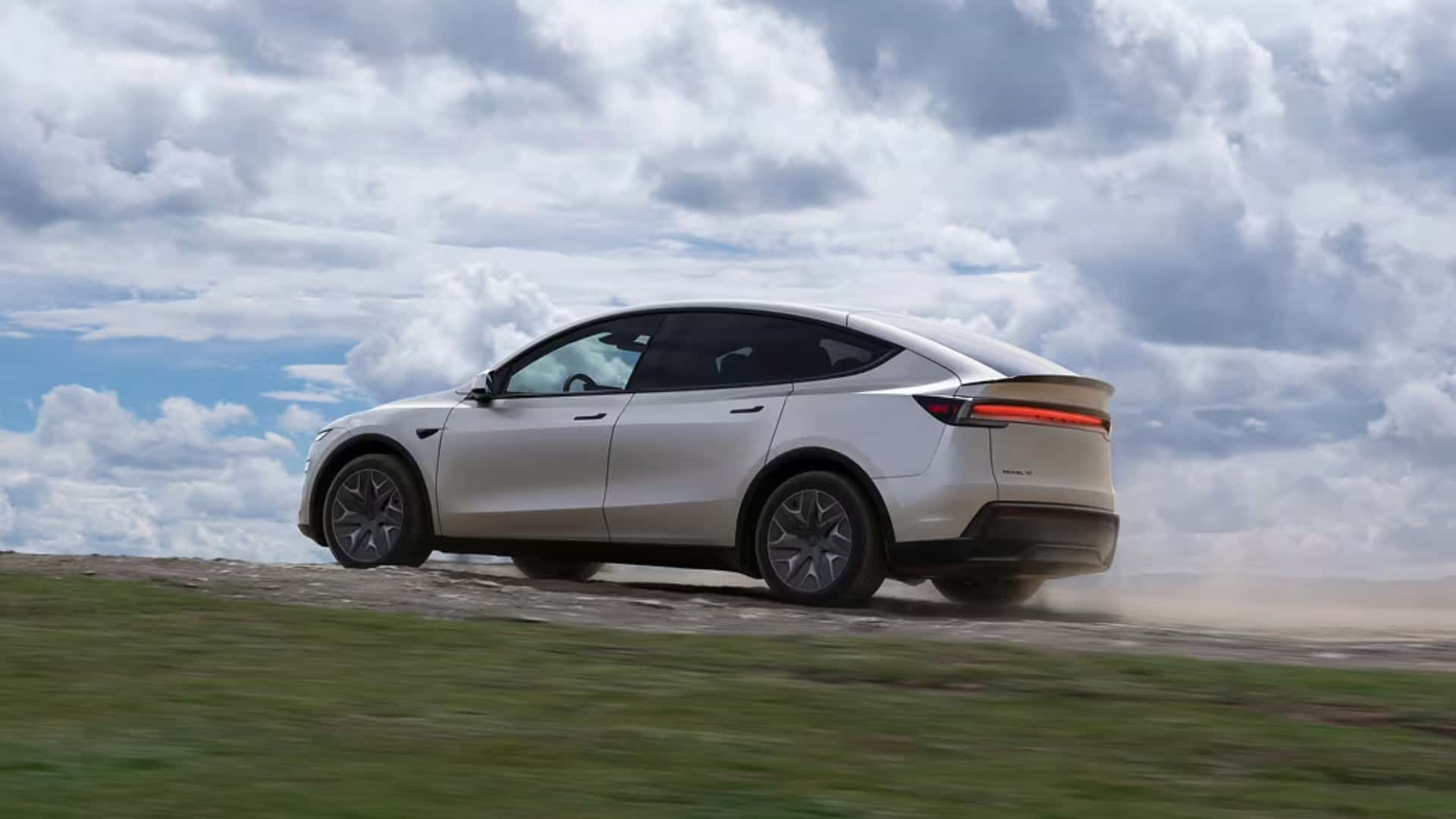
The used electric vehicle market has shifted rapidly over the past two years. Cars that once carried premium price tags are now selling at steep discounts, raising a simple but important question: why are used EV prices dropping so sharply, and is this a warning sign or an opportunity?
From lightly used Tesla Model Ys in the low $30,000 range to high-performance luxury EVs losing half their value in a year, the trend is impossible to ignore. The explanation, however, has less to do with failing technology and more to do with market forces colliding at speed.

New-Car Price Cuts Reset Expectations
The biggest driver behind falling used EV prices is not depreciation in the traditional sense, but aggressive price cuts on new vehicles. Tesla, in particular, reshaped the entire market beginning in 2023 by repeatedly lowering prices across its lineup.
When new EV prices dropped by thousands—or even tens of thousands—of dollars, used vehicles were forced to follow. Buyers comparing a lightly used EV to a brand-new one priced only slightly higher naturally leaned toward the new option, especially when it included a full warranty and the latest software.
Industry data from sources such as Cox Automotive and Kelley Blue Book confirms that used EV prices declined faster than the broader used-car market as inventory levels normalized after pandemic-related shortages.
Incentives Skewed the Value Equation
Government incentives further complicated pricing. Under the Inflation Reduction Act, many new EVs qualified for federal tax credits, depending on vehicle sourcing and buyer income. While some used EVs also qualified for credits, eligibility came with stricter price caps and conditions.
For many shoppers, a new EV priced at $40,000 with a meaningful tax credit looked more appealing than a $33,000 used alternative with fewer benefits. That gap pushed sellers to cut used prices even further, especially on models that no longer qualified for incentives.
Battery Fears vs. Real-World Data
One of the most persistent assumptions about used EVs is battery failure. Many potential buyers worry that a second-hand EV is close to needing a five-figure battery replacement, but large-scale data does not support that fear.
Most EV manufacturers warranty battery packs for eight years or 100,000 to 150,000 miles. Studies from companies such as Recurrent Auto and Geotab show that modern EV batteries typically lose only 1–2% of capacity per year under normal driving conditions.
Battery replacements do happen, and service delays can be frustrating, but widespread battery collapse is not the norm. Battery anxiety plays a role in buyer hesitation, but it is not the primary reason prices are falling.
Charging Access Shapes Resale Value
If battery health is not the main issue, charging access often is. For used EV buyers, convenience matters more than performance figures or acceleration times.
Owners with home charging can treat an EV like a phone—plug it in overnight and start each day full. Renters and apartment dwellers often face limited or unreliable access to chargers, making ownership more complicated.
Surveys from J.D. Power and Consumer Reports consistently show charging convenience as one of the strongest predictors of EV satisfaction. Regions with strong charging infrastructure tend to support better resale values, while areas with limited access see faster depreciation.
The Post-Pandemic Market Correction
It is also important to remember how inflated vehicle prices became during the pandemic. Supply shortages pushed used car values—gas and electric alike—far beyond historical norms.
As production recovered and inventories stabilized, prices across the market began to fall. EVs are simply experiencing that correction faster, partly because technology evolves quickly and early adopters absorb the steepest depreciation.
What feels like a crash is often a return to more traditional pricing behavior.

A Market Full of Opportunity—With Caveats
For the right buyer, today’s used EV market offers exceptional value. Drivers with access to home charging, predictable daily commutes, and plans to keep a vehicle long term can now afford models that once seemed unreachable.
For others—especially those reliant on public charging or frequent long-distance travel—the compromises remain. Falling prices reduce financial risk, but they do not eliminate practical limitations.
Used EV prices are not collapsing because the technology failed. They are falling because the market is recalibrating.
Recommend Reading: Used Teslas Show Big Reliability Divide in New Data

Aktie:
A High-Mileage Tesla Model 3 Reveals What Really Wears Out Over Time