





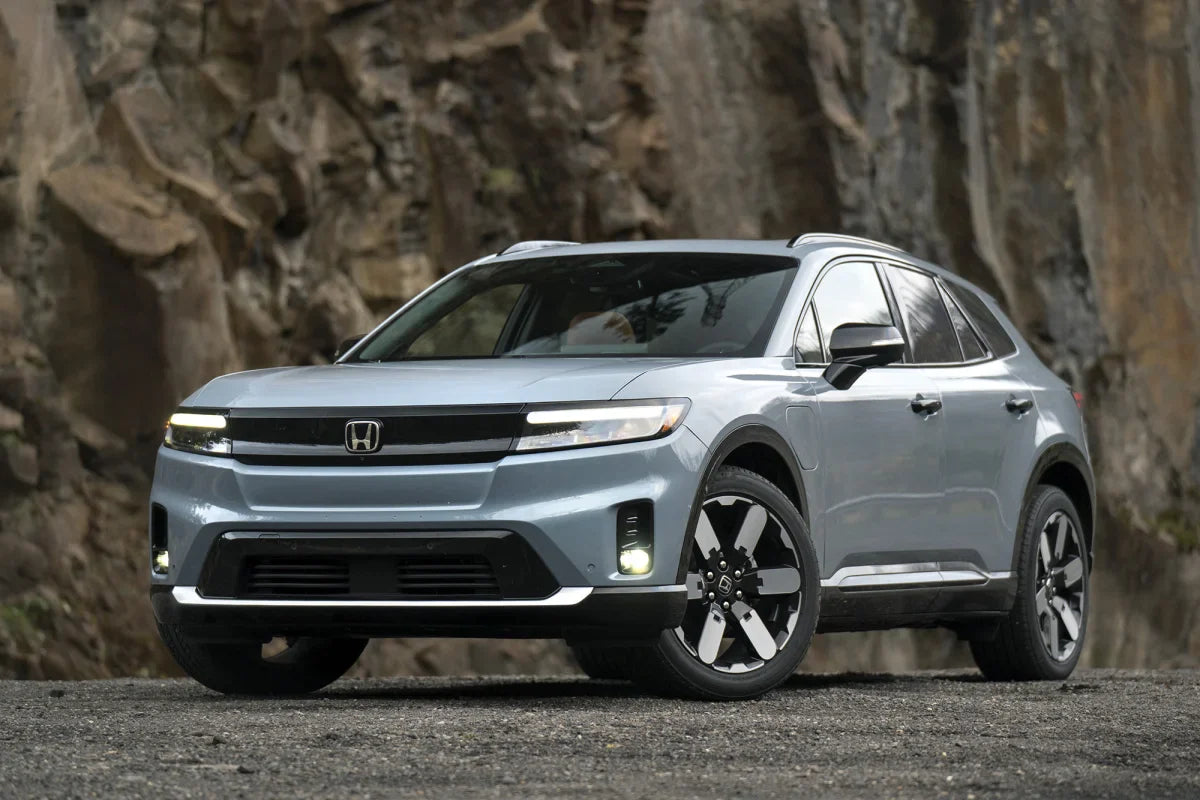
Rising Fuel Costs Shift Consumer Attention
Recent volatility in global energy markets is beginning to influence how consumers think about transportation. As gasoline prices increase across the United States, more car shoppers are exploring electric vehicles and other electrified options.
According to new data from Edmunds, online interest in electrified vehicles—including hybrids, plug-in hybrids, and fully electric models—has climbed noticeably in recent days. The increase appears to coincide with rising fuel costs linked to geopolitical tensions affecting oil supply.
Events involving Iran and global oil distribution routes have disrupted markets and pushed crude prices higher. Those developments have quickly filtered down to drivers at the pump. The national average gasoline price has reached approximately $3.58 per gallon, representing an increase of more than $0.50 compared with a month earlier.
For many households, these changes are prompting renewed interest in alternatives to traditional gasoline-powered vehicles.
Edmunds Data Shows Growing EV Search Activity
Consumer research patterns appear to reflect that shift. Edmunds reports that electrified vehicles represented about 20.7% of total vehicle searches on its platform near the end of February.
By the week beginning March 2, that figure had risen to 22.4% of all queries, indicating a notable increase in a relatively short period. Most of the growth was driven by people specifically researching fully electric vehicles, rather than hybrids.
This pattern is not unprecedented. Edmunds analysts note a similar surge in online interest during the early stages of the Russia–Ukraine conflict in 2022, when oil prices also rose sharply. At that time, searches related to electrified vehicles climbed from 17.5% to 25.1% of total activity on the site within about a month.
Such data suggests that sudden increases in fuel costs can quickly push consumers to consider vehicles with lower operating expenses.
Fuel Market Instability Affects Multiple Countries
The effects of rising oil prices are not limited to the United States. Several major economies that rely heavily on imported energy are also feeling the impact.
Governments in countries such as Japan and South Korea have already introduced measures aimed at easing pressure on consumers. These policies are intended to stabilize fuel prices and reduce the burden on households facing higher transportation costs.
For many drivers worldwide, the price displayed at local gas stations serves as a daily reminder of the volatility in energy markets. As those numbers climb, consumers often begin reevaluating long-term vehicle ownership costs.
That process frequently includes looking at electrified alternatives, which can offer lower fueling expenses under certain conditions.
Financial Barriers Limit Switching to EVs
Despite growing curiosity about electric vehicles, not every driver can immediately transition to a different type of car. Edmunds notes that several economic factors make switching more difficult today than in previous periods of fuel price spikes.
Vehicle prices have risen significantly over the past few years, and financing costs remain elevated compared with earlier periods. At the same time, many drivers currently owe substantial balances on their existing auto loans.
These conditions create a situation in which some consumers may want to replace inefficient vehicles but cannot easily do so. Trading in a car that consumes a lot of fuel could involve accepting a financial loss or taking on a higher monthly payment.
As a result, a large portion of the population may have little choice but to absorb higher gasoline costs rather than switching vehicles.
Used EV Market Offers Some Opportunities
One area where buyers may still find opportunities is the used electric vehicle market. As more EV leases reach the end of their terms, additional vehicles are entering the second-hand market.
This gradual increase in supply has helped keep prices relatively low for many used EV models. Analysts point to vehicles such as the Hyundai Ioniq 6 as examples where attractive deals can sometimes be found.
Although prices for used Tesla vehicles have recently moved upward in some cases, the broader used EV market still offers relatively affordable options compared with many new electric models.
For consumers who are flexible about buying pre-owned vehicles, this segment could provide a more accessible path into EV ownership.

Limited Availability of Low-Cost New EVs
Even as interest grows, the number of affordable new electric vehicles available in the United States remains limited. Several lower-priced models have either been delayed or removed from product plans.
Entry-level vehicles such as the Nissan Leaf and the Chevrolet Bolt are among the few relatively inexpensive EV options currently available. However, each comes with certain limitations. Production timelines for the Bolt remain uncertain, while the least expensive Leaf variants have faced delays.
Other compact electric models that could expand affordable choices—including vehicles like the Kia EV3 and EV4—have yet to receive confirmed sales plans for the U.S. market.
As a result, buyers seeking new EVs at lower price points still have relatively few choices compared with the broader gasoline vehicle market.

Uncertainty Surrounds Future Oil Prices
Predicting how fuel prices will evolve in the coming months remains difficult. Some analysts have suggested that oil prices could potentially approach levels seen during the 2008 financial crisis, when crude briefly reached about $140 per barrel.
However, prices have already declined somewhat from the highest levels recorded earlier during the current geopolitical tensions. Whether this downward trend continues will likely depend on how global events develop.
If fuel prices remain elevated for an extended period, consumer behavior could continue shifting toward electrified vehicles. Increased interest in both new and used EVs may follow, especially among drivers seeking protection from future fuel price swings.
For now, the relationship between gasoline costs and EV demand remains clear: when fuel becomes more expensive, interest in alternatives tends to rise.
Recommend Reading: Why Nearly New EVs Offer Bigger Savings Than New Ones












Share:
Porsche Cayenne S Electric Adds Mid-Tier Performance to EV Lineup
Kia Discontinues Niro EV as Brand Refocuses Its EV Lineup