



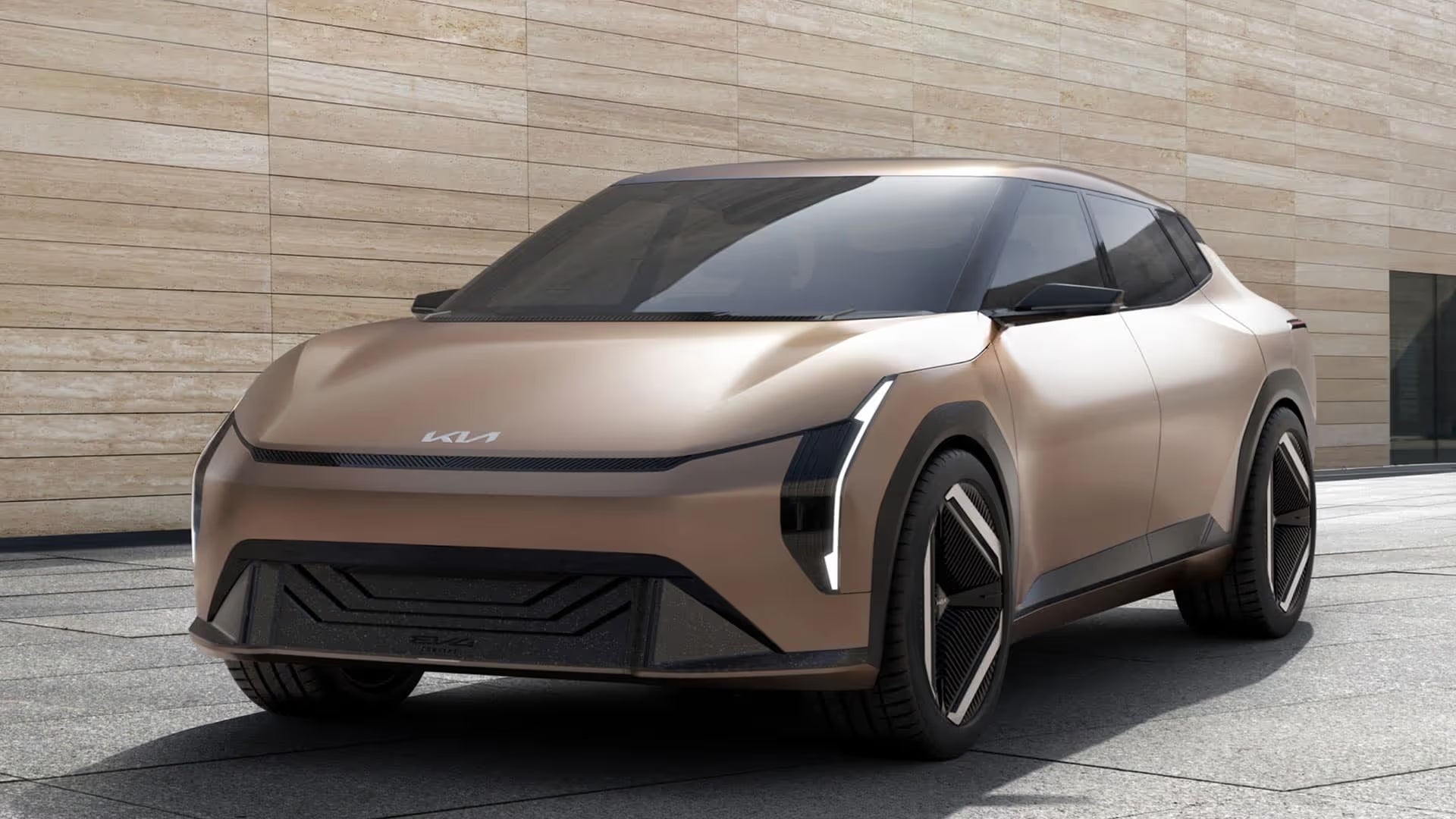
Kia Takes a Different Approach With the EV4
Kia was among the first mainstream brands to fully embrace modern electric vehicles, especially with its 800-volt E-GMP platform, which delivered fast charging and refined driving dynamics in models like the EV6. With the 2026 Kia EV4, however, the company takes a noticeably different direction.
Rather than pushing performance or premium feel, the EV4 aims to simplify the formula in pursuit of broader affordability. It rides on the new E-GMP Lite platform, switches to front-wheel drive, and lowers peak charging power. The result is an EV designed to be sensible, calm, and efficient rather than engaging or sporty.

First Impressions From Real-World Driving
Driven over several days in Bucharest, the EV4 quickly reveals its priorities. On broken pavement, tram tracks, tight urban streets, and long stretches of uneven asphalt, the car feels exceptionally comfortable and composed. As a daily commuter, it excels.
However, when pushed harder, the EV4 feels detached and restrained. It lacks the eager acceleration and planted feel found in rear-wheel-drive Kia EVs. In character, it resembles a more conservative, slightly smaller EV6, but without the same sense of polish.
The most significant drawback is pricing. As tested, the EV4 costs over €50,000, yet interior materials—especially lower cabin plastics—feel less premium than expected at that level.
Kia EV4 Key Specifications
| Specification | Kia EV4 |
|---|---|
| EV Range | 391 miles (WLTP) |
| As-Tested Price | €52,200 |
| Base Price | €39,000 |
| Battery | 81.4 kWh |
| Drive Type | Front-Wheel Drive |
| Output | 201 hp |
| Charge Time | 10–80% in 31 minutes |
| Charge Type | CCS @ 135 kW |
Platform Changes Shape the Driving Experience
The EV4 is offered as both a hatchback and sedan, though U.S. availability has been canceled due to tariffs. Built on a 400-volt E-GMP Lite architecture, the EV4 cannot match the performance benchmarks set by Kia’s older 800-volt EVs.
Charging peaks at 135 kW, compared to the EV6’s 240 kW capability. That translates to roughly 30% more time spent charging, even though the EV4 maintains a stable charging curve.
Switching to front-wheel drive also alters how power is delivered. Under hard acceleration with steering input, the front tires struggle for grip, and mild torque steer becomes noticeable—something largely absent in rear-wheel-drive Kia EVs.
Ride Comfort Is the EV4’s Standout Feature
Where the EV4 truly shines is ride quality. Even on 19-inch wheels, it glides over poor road surfaces with ease. The suspension absorbs broken pavement remarkably well, outperforming even some luxury vehicles with adaptive setups.
At highway speeds, comfort remains high, reinforcing the EV4’s role as a quiet, relaxing A-to-B vehicle. Seats are supportive, though mounted relatively high, creating a crossover-like driving position that may limit headroom for taller passengers.
On the worst roads, the soft suspension can feel underdamped, allowing body motion to transfer into the cabin, but these moments are infrequent.
Charging Performance and Real-World Range
Despite modest peak charging speeds, real-world charging performance is solid. From 25% to 80%, the EV4 added nearly 48 kWh in under 30 minutes, closely matching Kia’s official claims.
With the long-range battery and smaller wheels, Kia estimates up to 391 miles WLTP. Even with larger wheels and mixed driving, achieving 280–300 miles appears realistic with reasonable efficiency.
How the EV4 Compares to Rivals
The EV4 is comfortable, efficient, and spacious, but it lacks excitement. There is a clear mismatch between its aggressive exterior styling and its calm, disconnected driving feel.
In this price bracket, perceived quality matters. Competitors like the BYD Seal offer stronger performance and a more premium cabin for similar money. The EV4 feels carefully engineered to meet a cost target rather than to impress.

Final Verdict
The 2026 Kia EV4 is best understood as a tool, not a toy. It prioritizes comfort, efficiency, and ease of use over driving engagement or luxury feel. For buyers seeking a relaxed, practical electric commuter, it makes sense.
Those looking for excitement, stronger performance, or a premium interior may want to look elsewhere—or wait for the upcoming EV4 GT, which promises all-wheel drive, significantly more power, and a more engaging chassis setup.
Recommend Reading: Kia EV4 U.S. Launch Put On Hold Amid EV Market Uncertainty


Share:
U.S. EV Sales Expected to Level Off in 2025 After Years of Growth
2027 Dodge Charger EV Adds Tesla NACS Port and Slight Price Cut