



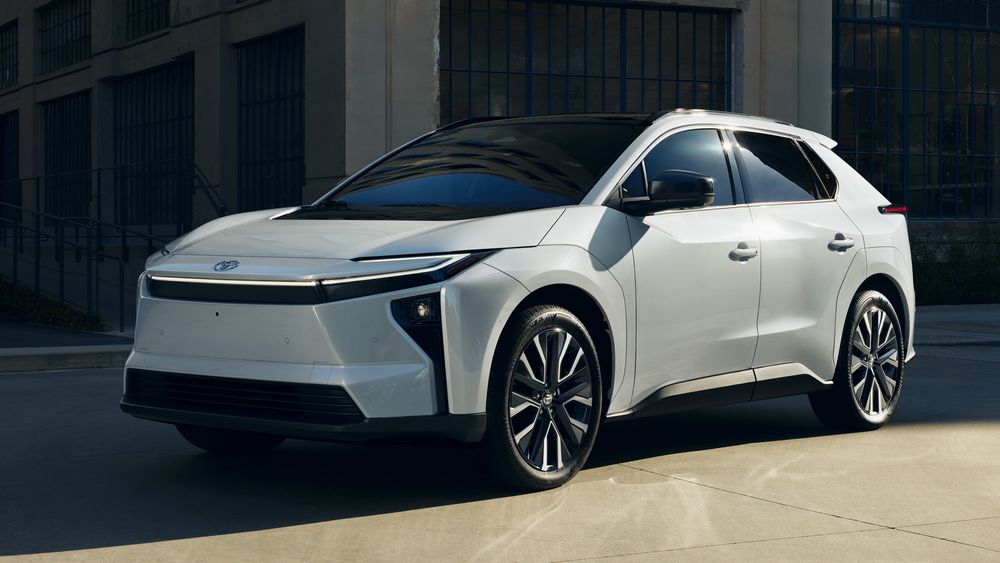
Rising Prices Push New Cars Out of Reach
The average new vehicle in the United States now costs around $50,000, a record level that feels increasingly unrealistic for many buyers. This ongoing price escalation did not happen overnight; it has been building for years, accelerated first by supply-chain disruptions and then by inflationary pressures.
Yet for a time, electric vehicles offered a rare source of price relief. Generous federal incentives, attractive lease deals, and competitive financing made EVs the unlikely “affordable” option in a market dominated by soaring costs. Now, with those incentives sharply reduced or eliminated, the entire new-car ecosystem is feeling the shock.

EV Incentives Once Held the Market Together
For roughly two years, the landscape was clear: if you wanted the best value on a new car, going electric was often the smartest choice. The $7,500 federal EV tax credit, along with an influx of aggressive manufacturer-backed leases, gave many shoppers access to vehicles far cheaper than their gasoline counterparts.
These incentives didn’t just boost EV adoption; they propped up overall car affordability during an otherwise turbulent pricing environment. When those programs disappeared or became more restrictive, many analysts wondered whether the broader auto market would suffer—not just the EV segment.
And now, based on early data, it appears that is exactly what is happening.
New Data Shows a Significant Drop in U.S. New-Car Sales
According to preliminary figures from GlobalData, cited by Automotive News, light-vehicle sales in November fell 6.3% compared with the same month last year. After adjusting for the difference in selling days, the decline stood at 2.6%.
This marks the second consecutive month of falling new-car deliveries.
EVs took some of the hardest hits. Most electric models saw sales declines, continuing the slowdown that began earlier in the year as incentives weakened. But crucially, this downturn is not isolated to electric vehicles.
Consumer behavior across the entire market is shifting.

Affordability, Not Technology, Drives Buyer Decisions
Jessica Caldwell, executive director of insights at Edmunds, described the situation bluntly: consumers are laser-focused on affordability. With high interest rates, inflated MSRPs, and economic anxiety shaping end-of-year spending, many households are unwilling to commit to big purchases—especially those with long loan terms and higher monthly payments.
This trend isn’t about vehicle type or drivetrain. It’s about survival in a cost-pressured economy.
In fact, the strongest-performing models in November were lower-priced trims, hybrids, and entry-level vehicles. Toyota and Kia posted modest gains specifically because they offer budget-friendly hybrids and value-oriented models, underscoring where consumer sentiment lies.

Truck and SUV Demand Softens as Prices Peak
Even traditionally strong segments are showing signs of fatigue. At Ford, utility vehicle sales slipped 4.9%, and truck sales were essentially flat. But beneath the headline numbers lies one interesting detail: entry-level trims of the Maverick, Ranger, Bronco Sport, and Explorer surged by double digits.
This suggests that even when shoppers buy trucks or SUVs, they are compromising—choosing cheaper versions instead of premium packages with higher margins.
Honda’s situation is even more severe. Sales fell 15% overall, with Honda-brand deliveries down 17%, due partly to semiconductor shortages. The company ended November with fewer vehicles in inventory than a month or year prior, adding another layer of challenge to customers seeking affordable options.
Good Deals, Not EV Curiosity, Drove Many Buyers
Part of the recent EV growth came from customers chasing value—not from a deep commitment to electrification. For example, the sub-$200 monthly leases available earlier this year on vehicles like the Honda Prologue were a major draw. These deals allowed shoppers unfamiliar with EVs to try them simply because the math made sense.
Those incentives created thousands of unexpected EV converts. They also proved a crucial point: when electric cars are priced competitively, consumers embrace them quickly.
With incentives gone, many of those same buyers are returning to the mindset of simply finding the cheapest new vehicle they can—if they can afford one at all.

A Market Without the EV Tax Credit Feels Very Different
Today’s market is navigating a painful combination of record-high new-car prices, the absence of meaningful EV incentives, and economic uncertainty for many households. Holiday discounts are offering some temporary relief, but these deals are seasonal by nature and unlikely to fix the underlying affordability crisis.
Without the tax credit helping to offset higher EV production costs, most electric models are once again priced beyond the reach of mainstream shoppers. And without EV lease support pulling average transaction prices downward, the entire market is exposed to the true cost reality of new cars in America.
Where Do Buyers Go From Here?
For most consumers, the question of whether to buy a new car is becoming increasingly personal—and increasingly difficult. When the “average” new vehicle approaches $50,000, many shoppers simply bow out.
Some turn to used cars and certified pre-owned programs. Others continue driving their existing vehicles longer than planned. And some rely on lease deals when interest rates allow.
Until affordability improves, new-car sales may continue slipping, especially in segments once bolstered by aggressive EV support.
Recommend Reading: Why an Overcrowded EV Market Is Holding Electric Sales Back
Partager:
Modified Rivian R1T Aims for EV Cannonball Record With Dual-Battery Setup
Silicon Anode Advances Signal Major Step Forward for Next-Gen EV Batteries