



Power Outage Disrupts Autonomous Vehicles
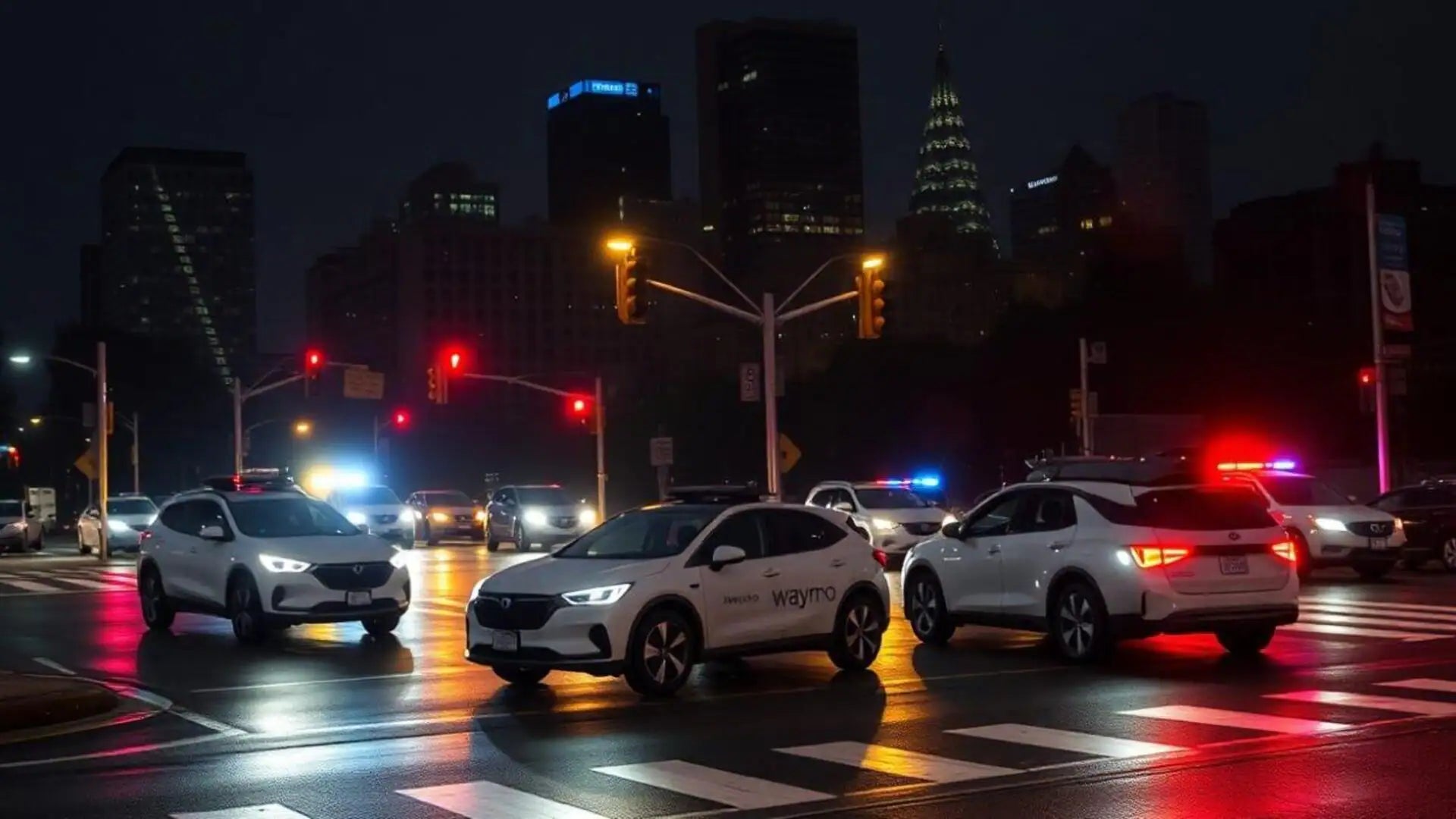
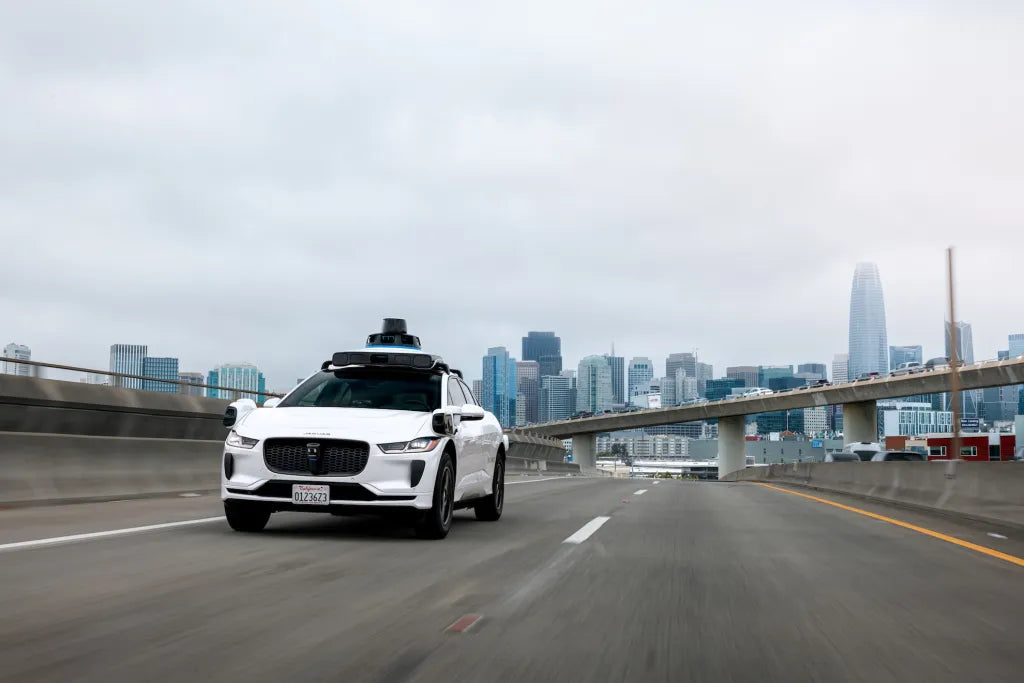
Waymo’s self-driving Jaguar I-Pace robotaxis came to a halt over the weekend after a widespread power outage left roughly 130,000 San Francisco residents without electricity. The blackout caused street lights and traffic signals to go dark, creating unusual conditions that the autonomous fleet struggled to navigate.
Videos circulating on social media showed the white robotaxis sitting idle in intersections, hazard lights flashing as the cars appeared unsure how to proceed. The outage highlighted the challenges autonomous vehicles face when urban infrastructure suddenly fails.

Temporary Pause in Service
A Waymo spokesperson confirmed that ride-hailing operations in the Bay Area were temporarily suspended. The pause was intended to keep passengers safe and ensure emergency responders had clear access to streets during the blackout.
Operations resumed on Sunday evening after Pacific Gas and Electric (PG&E) restored service for roughly 114,000 affected customers, although repairs continued after a fire at a five-story substation. Waymo stated:
"Yesterday’s power outage caused gridlock across San Francisco, with non-functioning traffic signals and transit disruptions. While the failure of the utility infrastructure was significant, we are committed to ensuring our technology adjusts to traffic flow during such events."
Why Robotaxis Struggled
Waymo did not provide a specific explanation for why the robotaxis froze. The company’s vehicles rely on pre-mapped data and real-time sensor input to navigate, and unusual situations typically prompt cars to contact human fleet response agents.
While waiting for guidance, autonomous vehicles can act on available sensor data, but the blackout created a perfect storm. With widespread power loss, many people switched from Wi-Fi to cellular networks, straining bandwidth and making data transfer more difficult. This slowed Waymo’s fleet response team from accessing real-time video feeds and 3D maps needed to direct the cars safely.
Human Oversight in Autonomous Driving
Waymo’s system allows human operators to view live feeds from vehicle cameras and 3D surroundings, and they can rewind video to assess obstacles or unusual scenarios. These tools require robust network connections, which were stressed by the spike in mobile data use during the outage.
As a result, the robotaxis’ hesitation reflected not a failure of driving software but a combination of infrastructure outage, network strain, and reliance on human oversight for unusual conditions.

Industry Implications
The incident comes as competition among autonomous ride-hailing services heats up in the U.S. Tesla CEO Elon Musk highlighted the event on X, claiming that Tesla Robotaxis were unaffected by the San Francisco blackout. While the comment sparked debate online, it underscores the public scrutiny and pressure facing companies developing driverless fleets.
For Waymo, the outage may serve as a reminder of the limits of autonomous technology in real-world urban environments where external infrastructure remains critical. As cities increasingly consider smart mobility solutions, integration with resilient utility systems will likely become a key factor in fleet reliability.
Recommend Reading: Waymo Faces Growing Pushback Over Noisy Overnight Charging
Partager:
EV Buyers May See Deeper Discounts as Unsold 2024–2025 Models Pile Up
How Driving an EV Quickly Reduces Range Anxiety