



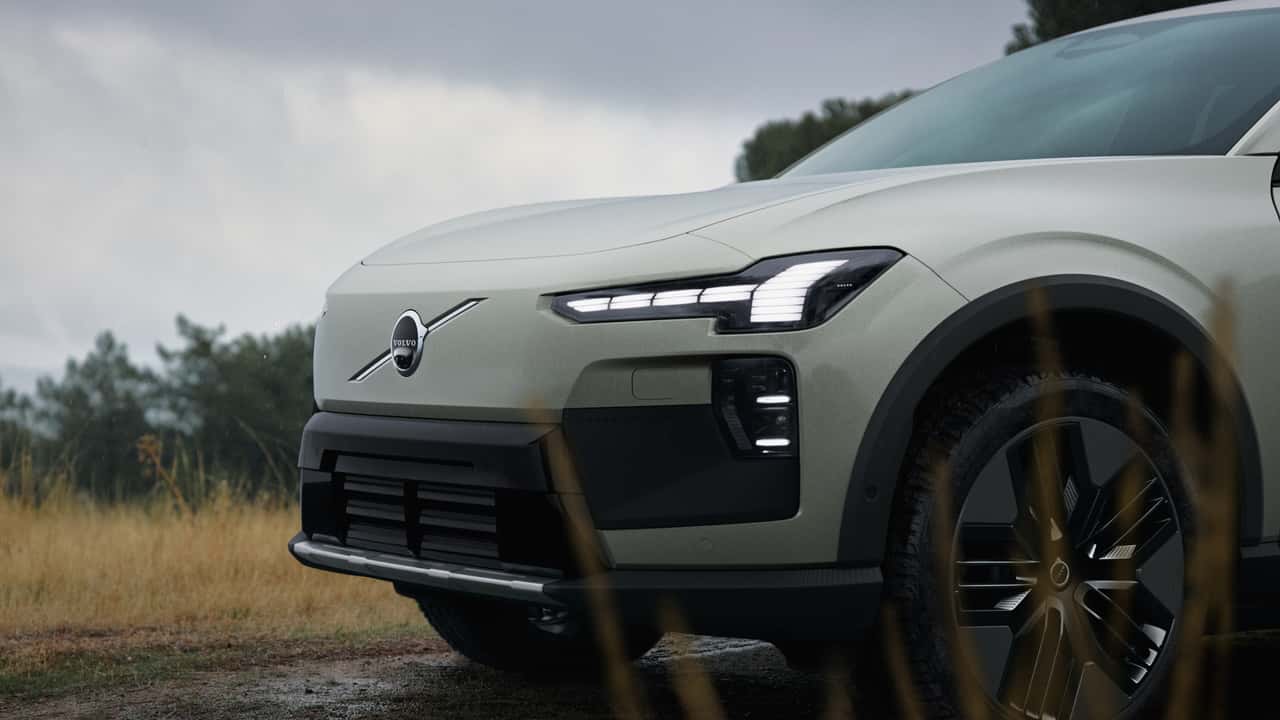
Why Volvo Is Rethinking Traditional Plug-In Hybrids
Volvo has long been one of the most committed legacy automakers in the plug-in hybrid (PHEV) space, offering electrified versions of nearly its entire lineup years before many rivals. Yet despite that early lead, the company now believes that today’s PHEVs fall short of their promise.
Volvo CEO Håkan Samuelsson recently acknowledged that most current plug-in hybrids are still, at their core, gasoline vehicles with limited electric capability. The result is a compromise that neither maximizes efficiency nor fully delivers the smooth, quiet experience drivers expect from electric cars. That assessment has pushed Volvo toward a fundamental redesign of how its future PHEVs will work—and how they will feel behind the wheel.

The Core Limitations of Today’s PHEVs
Most plug-in hybrids on the road today are adapted from internal combustion platforms. As a result, their driving behavior still prioritizes the gas engine, even when a battery is present. Under hard acceleration or highway cruising, the engine frequently turns on, breaking the seamless experience associated with EVs.
Electric-only range is another weak point. With many PHEVs offering just 25 to 50 miles of electric driving, owners often default to gasoline for longer days or when charging is skipped. Over time, this reinforces the perception that the electric system is optional rather than central. Studies and owner feedback suggest that many drivers rarely plug in at all, undermining both efficiency and emissions goals.
Volvo’s Vision: An EV First, Engine Second
Volvo’s next-generation plug-in hybrids are designed to reverse that hierarchy. According to company leadership, future models must behave like electric vehicles with a combustion engine acting as backup, not the other way around.
To achieve that, Volvo is targeting around 100 miles of pure electric range, enough to cover most daily driving without engaging the engine. Combined driving range is expected to stretch to 500–600 miles, eliminating range anxiety while preserving long-distance convenience. Crucially, these vehicles will deliver the immediate torque and smooth acceleration associated with EVs, ensuring that the gas engine is rarely needed for performance.
How These PHEVs Differ From EREVs
Volvo’s strategy naturally invites comparisons to extended-range electric vehicles (EREVs), a category gaining traction globally. EREVs function primarily as EVs, using a gasoline engine solely as a generator rather than a direct drive source.
However, Volvo is taking a more flexible approach. Its upcoming PHEVs will retain the ability for the engine to mechanically drive the wheels when efficiency demands it, especially at sustained highway speeds. This avoids the energy losses that can occur when an engine generates electricity only to feed it back into the battery.
This architecture mirrors systems already popular in China, where several automakers offer long-range PHEVs that blur the line between hybrids and EREVs. While the terminology may be confusing, the intent is clear: maximize electric driving without sacrificing efficiency.
A Preview Through the Volvo XC70
Volvo has already demonstrated what this philosophy looks like in practice. The China- and Europe-market Volvo XC70 delivers an estimated 124 miles of electric range, far beyond conventional PHEVs. It also supports DC fast charging and vehicle-to-load functionality, features typically reserved for full EVs.
Although the XC70 is not currently planned for the U.S. due to tariff constraints, the underlying technology is. Volvo has confirmed that its South Carolina plant will produce a future plug-in hybrid using this next-generation system, signaling that American buyers will eventually benefit from the same advancements.

A Strategic Bridge Toward Full Electrification
Volvo views these advanced PHEVs as a transitional technology, not an endpoint. The company believes that once customers experience daily driving that is overwhelmingly electric, many will naturally move to full EVs for their next purchase.
By making plug-in hybrids feel less like compromised gas cars and more like genuine EVs, Volvo hopes to lower the psychological and practical barriers to electrification. In the process, it may redefine what buyers expect from plug-in hybrids altogether.
Recommend Reading: Volvo EX60 Brings 400-Mile Range and New Safety Tech to the Luxury EV Segment
Partager:
EV Naming Strategies Are Changing as Automakers Rethink How to Sell Electric Cars
What Happens to an EV Battery When Parked Unplugged in Freezing Weather?