



Understanding Range Anxiety

Range anxiety—the fear of running out of charge—remains a major concern for potential EV buyers. Many drivers hesitate to switch from gas-powered cars because they worry about being stranded. However, studies show that these fears decline significantly after actually owning and driving an electric vehicle.

Recurrent, a battery health analytics company, analyzed 2025 data from Plug In America and found that 48% of buyers experience range anxiety before purchase, which drops to 22% after ownership. This demonstrates that hands-on experience with an EV provides confidence in its capabilities and real-world range.

White Tesla driving on scenic road along the river.


Why Experience Matters

Familiarity with charging habits and driving patterns is key. Recurrent’s research indicates that as owners gain experience, they learn how much range they truly need. Most daily driving in the U.S. averages just 30–40 miles per day, while modern EVs often provide ranges near 300 miles. This mismatch between perceived and actual needs largely explains the drop in anxiety.

Additionally, improvements in charging infrastructure have made long trips easier. With more chargers available along highways and urban areas, drivers can plan routes with minimal concern about running out of power.


Data Supports the Trend

Range anxiety is not just anecdotal—it’s measurable. Recurrent’s 2025 study shows that even EV owners with 350+ mile vehicles typically use only 12.6% of their battery range on average. Most of the time, drivers never approach the limits of their EV’s capabilities.

This aligns with earlier 2023 research showing 78% of EV owners felt less anxious over time as they gained experience. In practical terms, EVs often exceed what is necessary for daily life, reducing the likelihood of stress over distance.


Road Trips Are Becoming Easier

Longer drives still require some planning, but EVs are more capable than ever. Owners quickly learn how to manage charging stops efficiently and adjust their routines to maximize convenience. Even with moderate-range vehicles, careful planning ensures drivers can complete trips without difficulty.

Personal experience supports this: many owners start with full charges out of caution, then adjust to maintaining around 80% for daily use. This approach balances convenience with battery longevity, and most drivers find it fully sufficient.

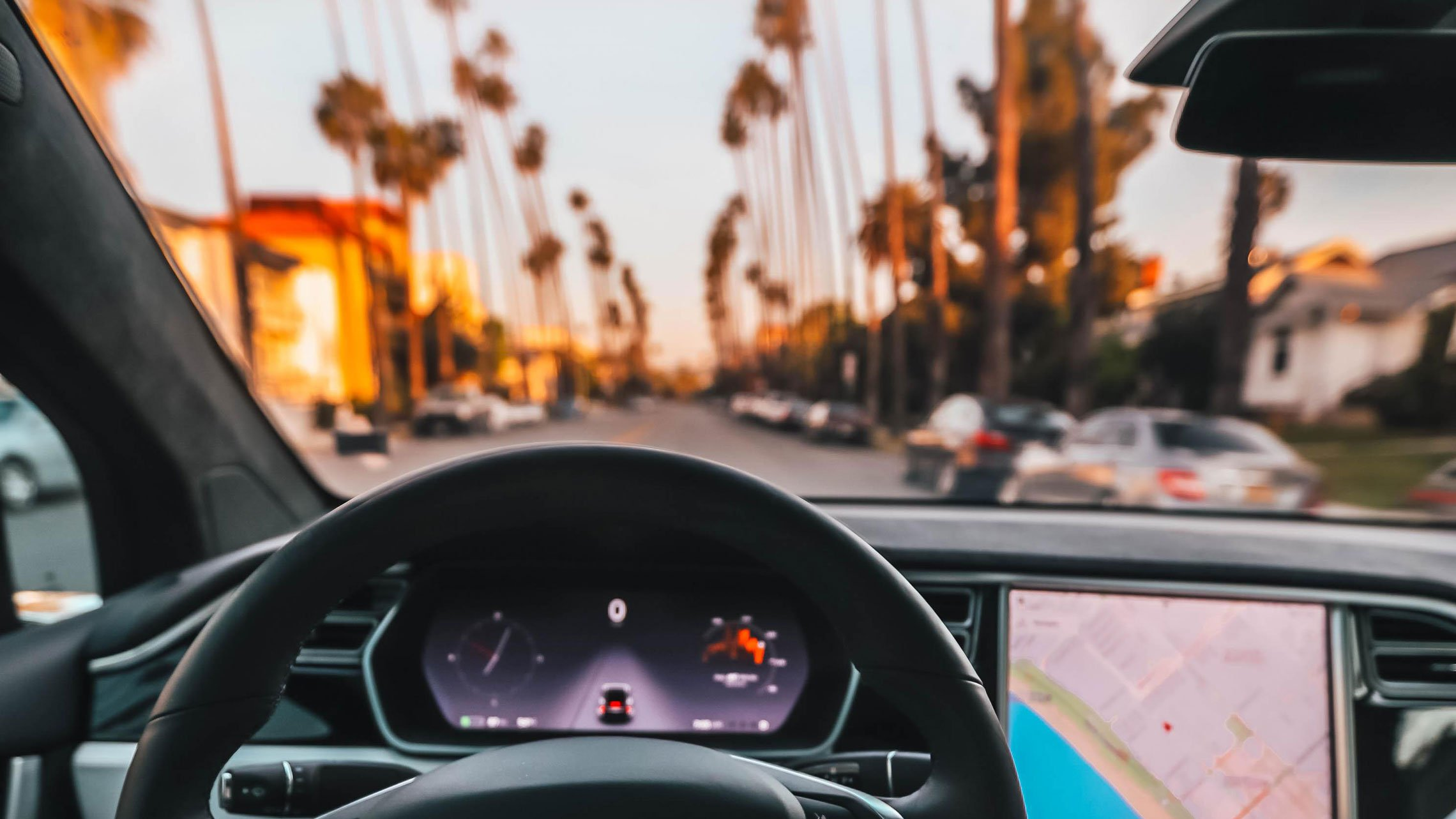
Driver using EV navigation screen with charging map.


Changing Perceptions

Understanding actual driving needs changes mindset. Many Americans expect vehicles to cover every possible scenario, from daily commutes to cross-country trips. While EVs are improving rapidly to meet these expectations, owners realize they rarely need full battery capacity. Over time, range anxiety naturally diminishes as confidence in the EV’s capabilities grows.

As the market continues to expand and EV ranges increase, more drivers will experience the same relief. Range anxiety is largely a psychological barrier, and experience proves that modern EVs are more than capable of meeting everyday needs.

Recommend Reading: 300-Mile EV Road Trip Using Only Free Chargers: What One Driver Learned

FAQs - Extending Electric Vehicle (EV) Range

What are the best driving habits to extend EV range?

Smooth acceleration, maintaining a steady speed, and using regenerative braking are proven driving techniques to extend EV range. Avoid aggressive driving and excessive speeding, as these significantly increase battery consumption.

Does air conditioning or heating reduce EV driving range?

Yes, climate control systems can drain the battery. EV heating in winter and air conditioning in summer may cut range by 10–30%. Using seat warmers, eco climate settings, or preconditioning your EV while plugged in helps preserve range.

How does regenerative braking improve EV efficiency?

Regenerative braking recaptures kinetic energy during deceleration and converts it into electricity stored back in the battery. Maximizing regen braking in city driving can boost EV efficiency and effective driving range.

Does driving speed affect electric car range?

Yes. Driving at high speeds (over 65 mph / 105 km/h) increases aerodynamic drag, leading to faster battery drain. Maintaining moderate highway speeds is one of the most effective ways to extend EV range.

What role does tire pressure play in EV efficiency?

Properly inflated tires reduce rolling resistance, which directly improves energy efficiency and EV range. Underinflated tires can cut range by up to 5–10%, so checking tire pressure regularly is key for maximizing performance.

How does cold weather affect EV range, and how can I minimize the impact?

EVs lose range in cold climates due to battery chemistry and heating needs. To minimize this:

  • Precondition the cabin while charging
  • Park indoors when possible
  • Use heated seats/steering wheel instead of full cabin heating
  • Drive in eco mode to conserve power
Is it better to charge my EV to 100% for longer range?

Charging to 100% occasionally is fine, but regularly doing so can shorten battery lifespan. For daily driving, automakers recommend keeping the charge between 20%–80%, which balances battery health and range availability.

Do roof racks or extra cargo reduce EV range?

Yes. Roof racks, bike carriers, and excess cargo increase weight and aerodynamic drag, cutting EV range by 5–15%. Removing unnecessary items when not in use helps improve efficiency.

Which EV driving modes help maximize range?

Most EVs offer Eco or Range mode, which optimizes throttle response, limits top speed, and adjusts climate control settings to conserve battery power. Activating these modes can extend EV driving range during long trips.

What long-term habits help preserve EV battery health and range?
  • Avoid frequent DC fast charging to reduce battery wear
  • Keep battery levels between 20–80% for daily use
  • Store EVs in moderate temperatures (avoid extreme heat or cold)
  • Update EV software, as automakers often improve battery management systems (BMS) for better range

EV News

View all

Ford’s Affordable EV Platform Faces Uncertain Future in Europe

Ford’s Affordable EV Platform Faces Uncertain Future in Europe

Ford’s Universal EV platform faces an uncertain European launch. High engineering costs, low pickup demand, and dependence on partner-built vehicles challenge the company’s ability to compete in Europe’s growing EV market.

Read more

Used Tesla Cybertruck Prices Keep Sliding as Demand Falters

Used Tesla Cybertruck Prices Keep Sliding as Demand Falters

The Tesla Cybertruck used market is declining, with auction prices dropping to the low $60,000s. Premium EV depreciation, slower demand, and upcoming competitors are driving values lower, offering buyers discounted options.

Read more

European EV Market Sees Strong Gains in 2025: Top Brands and Models

European EV Market Sees Strong Gains in 2025: Top Brands and Models

Europe’s electric vehicle market saw strong growth in 2025, with EV sales rising 27.4% and PHEVs up 33.1%. Tesla, Volkswagen, Skoda, and BYD led, while gasoline and diesel registrations fell significantly.

Read more