



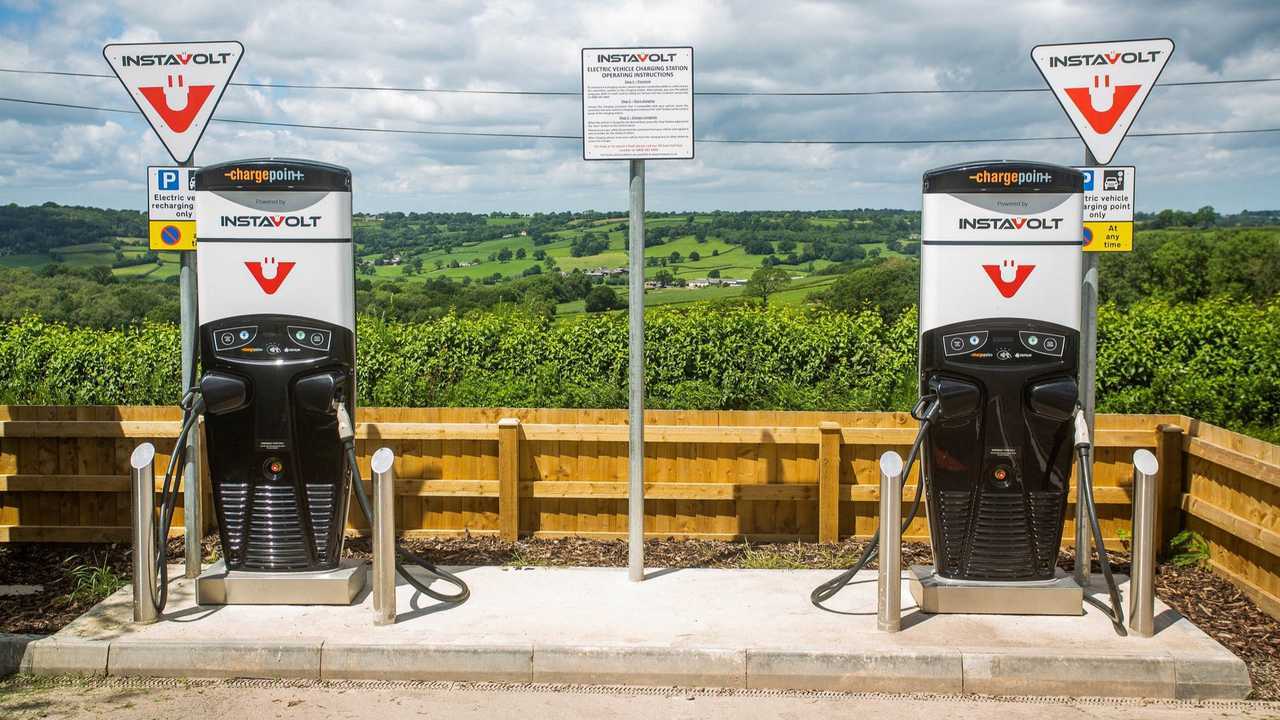
Using Free Chargers: A Growing Challenge
When electric vehicles first gained popularity, free public charging stations were common. Although most were not fast chargers, they allowed EV owners to travel without worrying about costs. Today, free chargers are scarce, especially across Europe, with most countries phasing them out. The UK still has some, often in supermarket parking lots, but the numbers are dwindling.
Alex, a British EV driver and YouTuber, decided to test the limits of free charging. Driving his ten-year-old Nissan Leaf, he planned a 281-mile loop in 24 hours using only publicly available free chargers.

Planning the Route Around Limited Access
Planning a route around these limited free chargers is possible, but there are key caveats:
-
Most public stations lack DC fast charging, so large-battery EVs take longer to charge.
-
Availability is unpredictable, as other drivers may already occupy the chargers when you arrive.
Alex quickly discovered this first-hand. The first charger he tried was occupied, forcing him to wait over an hour. Supermarket parking lots often have a two-hour limit, which means even when you charge, you may not reach full battery capacity.
Balancing Time and Charging Locations
The next stop was another supermarket with four charging stalls, one of which was free. Although it had a three-hour charging limit, Alex chose not to stay the full time, aiming to maximize the distance traveled in a day.
He opted to visit a pub offering charging in exchange for a meal. This approach provided enough juice for the remainder of his route, demonstrating a creative way to use public chargers strategically.
Unexpected Challenges with Free Charging
The final leg of his journey revealed another difficulty: the hotel he planned to use had chargers that weren’t actually free, despite confirmation from staff. This misstep ended his challenge early, highlighting a key risk of relying solely on free chargers: the advertised accessibility may not match reality.
Lessons from an Older EV
Alex’s ten-year-old Leaf has roughly 70 miles of range per charge, illustrating that older EVs can still be practical for short trips. The experiment shows that:
-
You can drive an older EV cheaply if you learn the local charging network.
-
Even budget EVs allow eco-friendly travel without fuel costs.
While a newer EV could have completed the loop without stopping, the experiment proved the value of understanding local charger networks and planning accordingly.
Modern EV Charging Compared to the Past
Traveling long distances in EVs today is much simpler. Modern vehicles with larger batteries and faster chargers minimize wait times, making road trips comparable to gasoline cars. Alex notes that megawatt chargers in Europe will soon allow EVs to traverse the continent efficiently, further reducing the advantage of combustion vehicles for long-distance travel.

Key Takeaways for EV Drivers
-
Free chargers are becoming rare; rely on them only if you are flexible with timing.
-
Plan stops in advance and confirm charger access to avoid delays.
-
Older EVs remain practical for short-range travel when combined with knowledge of local charging options.
-
Modern EVs drastically reduce charging delays, making long trips easier than ever.
Alex’s 300-mile challenge demonstrates that with planning and patience, EV drivers can still take advantage of free public chargers, even if the network is increasingly limited.
Recommend Reading: Top 5 Weekend Road Trips with Reliable EV Charging Stops

Share:
Used Teslas Show Big Reliability Divide in New Data
2026 Ford Mustang Mach-E Gains Subtle but Useful Rear Door Handles