





Power Outage Disrupts Robotaxi Service
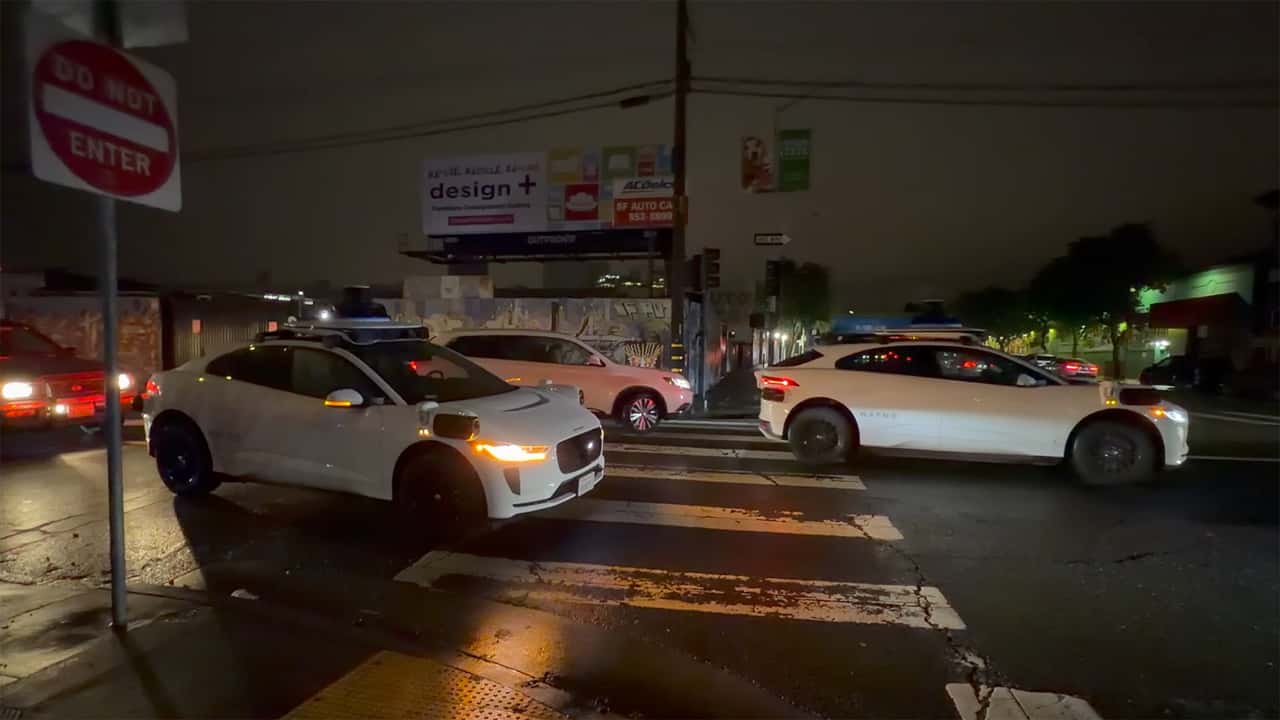
Waymo, the largest driverless taxi operator in the U.S., faced significant disruption in San Francisco this past weekend due to a major power outage affecting roughly 130,000 residents. The blackout caused widespread traffic signal failures, which presented an unexpected challenge for Waymo’s autonomous Jaguar I-Pace EVs.
Several videos and photos shared on social media showed the robotaxis stopped at intersections with hazard lights on, creating visible congestion and drawing public attention. The company temporarily pulled the vehicles over until power was restored to most of the affected areas.

Why the Robotaxis Froze
According to Waymo, the primary reason for the stalled cars was an overload of dark traffic signals. When a traffic light is out, Waymo’s system treats the intersection as a four-way stop. Occasionally, the vehicle requests confirmation from human operators at the company’s control center to ensure the safest action.
During the outage, the number of confirmation requests spiked dramatically, creating a backlog at the home base. Vehicles waiting for instructions effectively froze at intersections, adding to street congestion.
Waymo explained:
“While the Waymo Driver is designed to handle dark traffic signals as four-way stops, it may occasionally request a confirmation check to ensure it makes the safest choice. While we successfully traversed more than 7,000 dark signals on Saturday, the outage created a concentrated spike in these requests. This created a backlog that, in some cases, led to response delays contributing to congestion on already-overwhelmed streets.”
Communication and Network Factors
Although the confirmation process was the main cause, network conditions may have also played a role. Slower LTE upload and download speeds during the outage could have contributed to delays in communication between the vehicles and the control center. Waymo is investigating this aspect further to determine its impact on the incident.
Steps to Improve Future Operations
Waymo emphasized that the event is being carefully analyzed to prevent similar disruptions. The company is rolling out a fleet-wide software update that gives vehicles more context about regional outages and dark traffic signals. This enhancement is expected to allow robotaxis to navigate intersections more confidently without excessive reliance on human confirmations.
“We established these confirmation protocols out of an abundance of caution during our early deployment, and we are now refining them to match our current scale,” Waymo stated.
By updating its operational protocols, Waymo aims to maintain safety while improving the resilience of its fleet under unusual conditions, including large-scale power failures.

Looking Ahead
While the San Francisco outage caused temporary inconvenience, the company’s proactive response shows a commitment to adapting its systems as robotaxi deployment scales up. Future updates will help Waymo vehicles make faster, safer decisions in complex or unexpected urban situations, ensuring a smoother experience for passengers and road users alike.
Recommend Reading: Waymo Faces Growing Pushback Over Noisy Overnight Charging










Share:
Renault Filante Demonstrates Exceptional EV Efficiency on Highway
Volkswagen’s Scout Terra Revealed With Rivian-Inspired EV Features