





Charging an electric vehicle outdoors is often unavoidable. Driveways, parking lots, shared garages, and temporary charging setups all expose EV charging equipment to rain, dust, and changing weather conditions. That’s why waterproofing matters—but not all “weatherproof” claims mean the same thing.
One of the most trusted indicators of outdoor protection is an IP rating, especially IP66. In this article, we’ll explain what IP66 really means for EV extension cables, how the rating is tested and certified, what protection it offers in real-world use, and why even with IP66, safe usage still matters.

What Is an IP Rating?
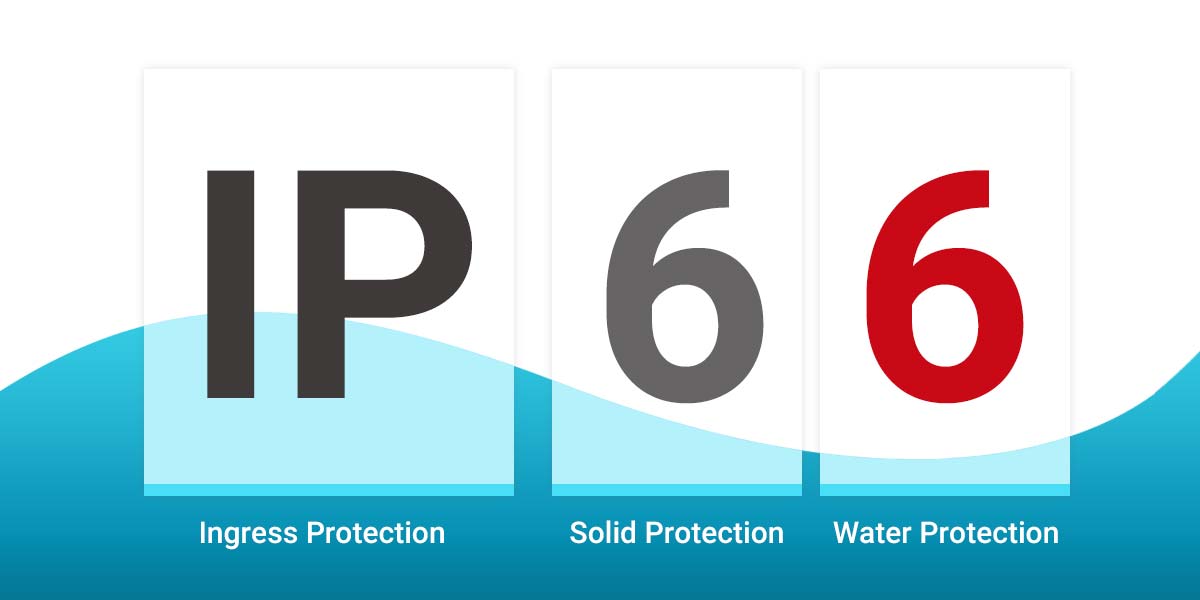
An IP rating (Ingress Protection rating) is an international standard defined by IEC 60529. It describes how well an electrical product resists intrusion from solid objects (like dust) and liquids (like water).
An IP rating consists of two digits:
-
The first digit indicates protection against solids
-
The second digit indicates protection against liquids
For EV extension cables used outdoors, both numbers are critical.
Breaking Down IP66: What Each Digit Means
An IP66 rating provides one of the highest levels of protection commonly used for outdoor electrical equipment.
First Digit: 6 — Complete Dust Protection
The “6” means the product is fully dust-tight. No dust or small particles can enter the enclosure, even after prolonged exposure.
For EV extension cables, this is important because:
-
Outdoor charging often occurs near soil, sand, or road debris
-
Dust intrusion can damage internal contacts over time
-
Contaminated connectors can increase resistance and heat buildup
IP6X ensures the internal components remain sealed and uncontaminated.

Second Digit: 6 — Powerful Water Jet Resistance
The second “6” indicates protection against strong water jets from any direction.
In testing, this means the product is exposed to:
-
High-pressure water streams
-
Water sprayed from multiple angles
-
Sustained exposure during simulated rain or wash-down conditions
In practical terms, IP66-rated EV extension cables can safely withstand heavy rain, storms, and splashing water during normal outdoor charging.
How IP66 Certification Is Tested
IP66 is not a marketing term—it’s verified through standardized testing.
During certification:
-
The product is sealed and tested in a controlled lab environment
-
Dust tests ensure zero particle ingress
-
Water jet tests simulate real-world rain and spray conditions
-
The product must continue functioning normally after testing
Only products that pass both dust and water tests are granted an IP66 rating.

Why IP66 Matters for EV Extension Cables
EV extension cables carry high current and voltage for extended periods. Exposure to moisture or contaminants can lead to:
-
Corrosion at contact points
-
Insulation breakdown
-
Increased resistance and heat
-
Long-term safety risks
An IP66-rated extension cable significantly reduces these risks, especially in outdoor or semi-exposed environments.
This level of protection is particularly valuable for:
-
Driveway charging
-
Outdoor parking areas
-
Temporary charging setups
-
Regions with frequent rain or snow
What IP66 Means for EVDANCE EV Extension Cables
EVDANCE EV extension cables are designed with IP66-rated protection, meaning the cable connections and critical components are engineered to resist dust and powerful water exposure during normal use.
This provides users with:
-
Reliable outdoor charging in rain or wet weather
-
Reduced risk of moisture-related failure
-
Greater peace of mind for everyday outdoor charging
Combined with high-quality materials and robust construction, IP66 helps ensure stable and consistent performance in real-world conditions.

Important Safety Notes: What IP66 Does Not Mean
While IP66 offers strong protection, it does not make an EV extension cable indestructible or suitable for all environments.
Even with IP66, safe usage is essential.
Avoid Submersion or Standing Water
IP66 does not mean waterproof for immersion. We do not recommend:
-
Using the cable in flooded areas
-
Allowing connectors to sit in standing water
-
Charging in locations where water can pool around connections
Prolonged submersion can exceed the protection level of IP66 and may compromise safety.
Do Not Use in Extreme or Uncontrolled Conditions
Avoid:
-
Long-term exposure to saltwater or corrosive chemicals
-
Environments with continuous high-pressure water spray
-
Damaged cables or connectors, even if rated IP66
Always inspect the cable before use.
Proper Handling Still Matters
To maximize safety:
-
Ensure connectors are fully seated before charging
-
Keep connections elevated when possible
-
Unplug and store the cable properly after use
-
Follow all manufacturer guidelines
Certifications reduce risk—they don’t replace responsible use.
IP Ratings vs. Real-World Safety
IP66 is an important indicator of durability, but it’s only one part of overall product safety. Proper materials, internal design, and user behavior all play critical roles.
When evaluating an EV extension cable, IP66 should be seen as:
-
A baseline for outdoor readiness
-
A sign of tested environmental protection
-
Not a license for careless or extreme use

Final Thoughts: Why IP66 Makes a Real Difference
Outdoor EV charging comes with unavoidable exposure to the elements. An IP66-rated EV extension cable offers meaningful protection against dust and heavy rain, helping ensure safer and more reliable charging in everyday outdoor scenarios.
EVDANCE’s IP66-rated design reflects a focus on real-world use, while still emphasizing that safe charging practices always come first.
Recommend Reading: What UL Recognized Means for Your EV Extension Cable: Safety You Can Trust


Share:
What UL Recognized Means for Your EV Extension Cable: Safety You Can Trust
NACS vs J1772 Extension Cables: Which One Should You Choose?