





Entering a Crowded Premium EV Segment
The latest generation of the BMW iX3 arrives in one of the most competitive areas of the electric vehicle market: mid-size premium SUVs. In this category, competence alone is not enough to stand out. Rivals already offer strong combinations of performance, technology, and usability, while established leaders continue to dominate through brand recognition and ecosystem advantages.
Against this backdrop, BMW positions the iX3 as a decisive step forward. Built on a newly developed electric platform, it reflects a more focused approach to electrification. Early impressions suggest the vehicle is not just competitive on paper, but also delivers in real-world driving, efficiency, and user experience.

Technical Specifications
| Model | 2027 BMW iX3 |
|---|---|
| Base Price | €69,630 |
| As-Tested Price | €82,738 |
| EV Range | 500 miles WLTP / 400 miles EPA |
| Drive Type | Dual-motor all-wheel drive |
| Output | 463 hp |
| Maximum Torque | 476 lb-ft |
| 0–62 mph | 4.9 seconds |
| Top Speed | 130 mph |
| Battery Capacity | 108.7 kWh |
| Charging Type | CCS @ 400 kW |
| Charging Time | 10–80% in 21 minutes |
Exterior Design: Unconventional but Distinctive
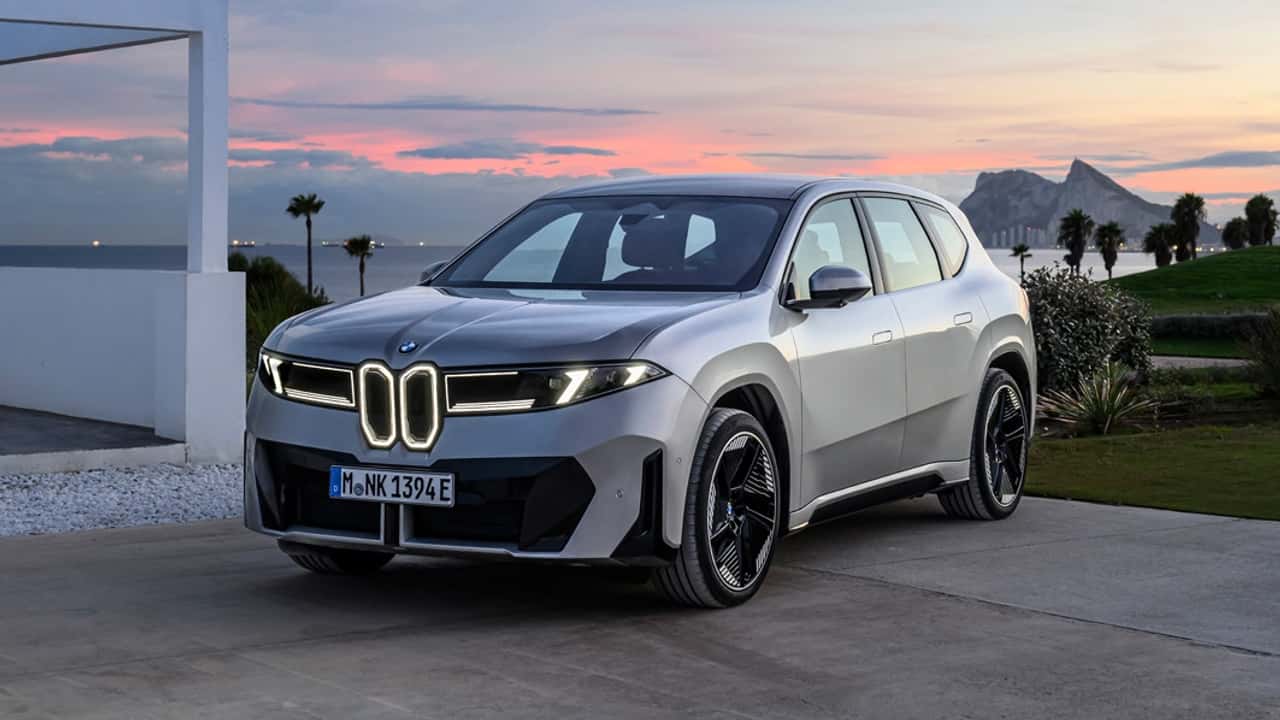
Visually, the iX3 does not aim for universal appeal at first glance. Its front-end design, characterized by a pronounced nose profile, may divide opinions. However, with time, the overall shape becomes more cohesive, revealing a confident and modern stance.
From the rear, the SUV conveys stability and athleticism, while the side profile remains relatively restrained. Optional styling packages, such as sport-focused trims, enhance its visual presence through more aggressive detailing and larger aerodynamic wheels. Despite its experimental elements, the vehicle retains enough familiar cues to remain recognizable as a BMW.
Interior: Innovation Meets Practicality
Inside, the iX3 represents a more significant departure from tradition. The cabin introduces a fresh layout with unconventional design choices, yet it avoids excessive complexity. Instead of overwhelming the driver with screens, the interface balances digital elements with usability.
One standout feature is the wide panoramic display stretching across the dashboard, combining essential driving data with customizable widgets. This setup keeps key information within the driver’s natural line of sight.
Material quality marks a noticeable improvement compared to some recent models. Soft-touch surfaces are more widely used, contributing to a more refined feel. Seating comfort is also a highlight, with extensive adjustability and supportive ergonomics that enhance long-distance driving.
However, not every detail is flawless. Some design decisions, such as the absence of storage pockets on seatbacks, suggest cost-saving compromises in otherwise premium surroundings.
Efficiency, Range, and Charging
One of the iX3’s strongest attributes is its efficiency. Despite weighing over 5,000 pounds, it achieves impressive energy consumption figures in urban conditions. This efficiency, combined with a 108.7 kWh battery, enables a claimed range of up to 500 miles (WLTP).
In realistic driving scenarios, a range closer to 380 miles appears achievable, which still places the vehicle among the top performers in its class for long-distance travel.
Charging capability is another key strength. Thanks to its 800-volt architecture, the iX3 supports peak charging speeds of 400 kW, allowing the battery to replenish from 10% to 80% in just over 20 minutes. Under optimal conditions, a short charging session can add substantial driving distance, making it well-suited for highway use.
Driving Experience: Focus on Dynamics
Despite its advanced technology, the iX3 maintains a strong emphasis on driving engagement. The chassis offers precise control and responsiveness, distinguishing it from many electric SUVs that prioritize comfort over dynamics.
Steering is accurate and predictable, though lighter than some drivers may prefer. The suspension setup leans toward firmness, which enhances handling at the expense of ride softness. This tuning allows the vehicle to feel more agile than its size would suggest.
A notable innovation is the integration of a new control system designed to optimize traction and responsiveness. This system improves how the vehicle manages power delivery and stability, particularly during acceleration and cornering.
Additional features, such as smooth regenerative braking and refined one-pedal driving, contribute to a seamless driving experience. The vehicle also incorporates advanced driver assistance technologies, including automated lane changes and precise parking functions.

Overall Assessment
The 2027 iX3 represents a significant step forward for BMW’s electric lineup. Beyond its specifications, the vehicle demonstrates a cohesive balance between efficiency, performance, and usability.
While some competitors may offer stronger value or more striking innovation, the iX3 stands out as a well-rounded product. It combines long range, rapid charging, and engaging driving dynamics in a way that feels carefully engineered rather than experimental.
Most importantly, it signals a renewed direction for the brand—one that integrates electric technology without sacrificing the driving characteristics that define its identity.
Recommend Reading: BMW iX3 40 Specs and Range: Smaller Battery, Strong Value


Share:
Volkswagen ID.3 Neo changes specs range interior updates
Why Rising Fuel Costs Are Driving EV Sales Globally—but Not in the U.S.