



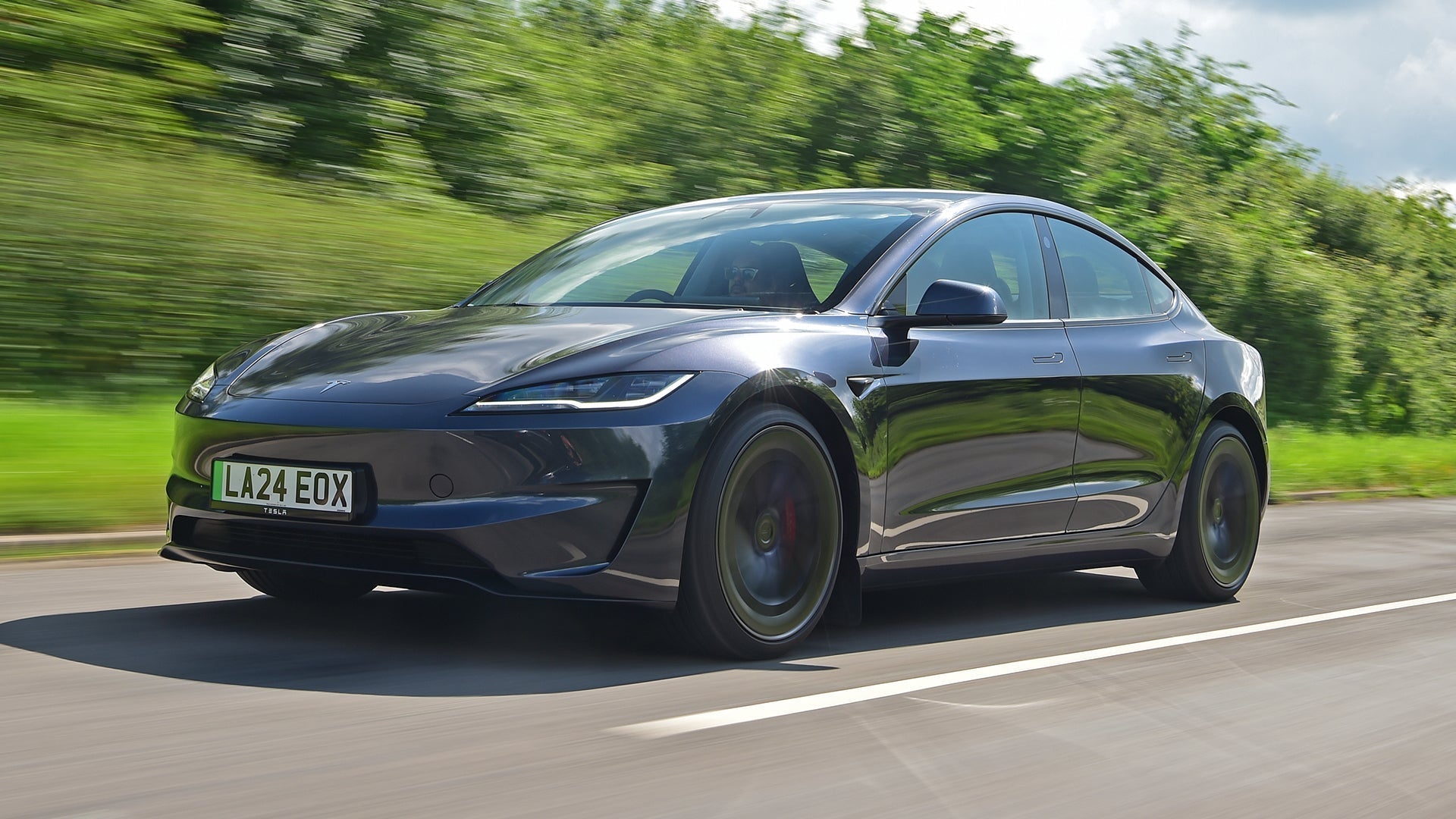
As new vehicle prices remain high and supply chains struggle to recover, a surprising trend has emerged in the U.S. auto market—used electric vehicles (EVs) are becoming significantly more affordable. In fact, used EV prices dropped by nearly $3,000 in May 2025 compared to the previous year, signaling a compelling opportunity for budget-conscious and environmentally minded buyers alike.
Used EVs Buck the Trend: Prices Down, While Others Rise
According to a recent iSeeCars study analyzing over 2.4 million used vehicle sales, the average price of a used EV in May 2025 was $31,110, down 8.8% year-over-year. In contrast, the overall used car market grew more expensive, climbing by $630 on average to reach $32,317.
This price deflation in the used EV segment stands out especially as inventory for traditional used cars remains tight, with fewer vehicles available from the 2020–2022 production gap.
📊 Visual Insight: Year-over-Year Price Comparison by Vehicle Type
Alt Text: Bar chart showing year-over-year used vehicle price changes. EVs saw an 8.8% drop, the largest decrease, while SUVs rose by 4.3%.
Tesla and Porsche Dominate Price Drops
Tesla remains the dominant force in the used EV market—but also the most affected by depreciation:
-
Tesla Model S: Now averaging $46,503, a drop of nearly $9,000 (16%).
-
Tesla Model Y: Down $4,945, with an average price of $29,789.
-
Tesla Model X: Down $5,292 (8.9%), averaging $54,004.
-
Kia Niro EV: Decreased 6.9%, now averaging $21,316.
-
Porsche Taycan: Lost a staggering $10,998 (12.7%), now at $75,644.
These trends suggest that Tesla’s high initial prices and increasing used inventory are contributing to steep resale value declines—something both buyers and current owners should factor into financial decisions.
Why Are EVs Dropping Faster in Value?
EVs are known to depreciate faster than their gas-powered counterparts due to:
-
Rapid technology advancement – Newer models quickly make older ones seem outdated.
-
Tax incentives for new EVs – Reduce the appeal of lightly used models.
-
Changing consumer confidence – Early EV adopters now upgrading or exiting the market.
Still, the current price stability over the past 90 days hints at a market beginning to normalize, especially as demand for pre-owned EVs catches up with growing supply.
Should You Buy Now?
If you're considering a switch to electric, this may be the most favorable time to purchase a used EV in years. With prices lower than hybrids and many gasoline vehicles, and plenty of federal and state incentives still in place for infrastructure, the cost-to-value ratio is improving.
According to Karl Brauer from iSeeCars:
“Being an electric vehicle and wearing the ‘Tesla’ brand appear to be a double negative” when it comes to resale value—but a double win for savvy buyers.


Share:
The Proposed Federal EV Tax Would Penalize Efficiency—and Seniors the Most
Ford CEO Jim Farley Acknowledges China’s EV Superiority in Cost, Technology, and Quality