


Rising Expenses for Residential EV Charging
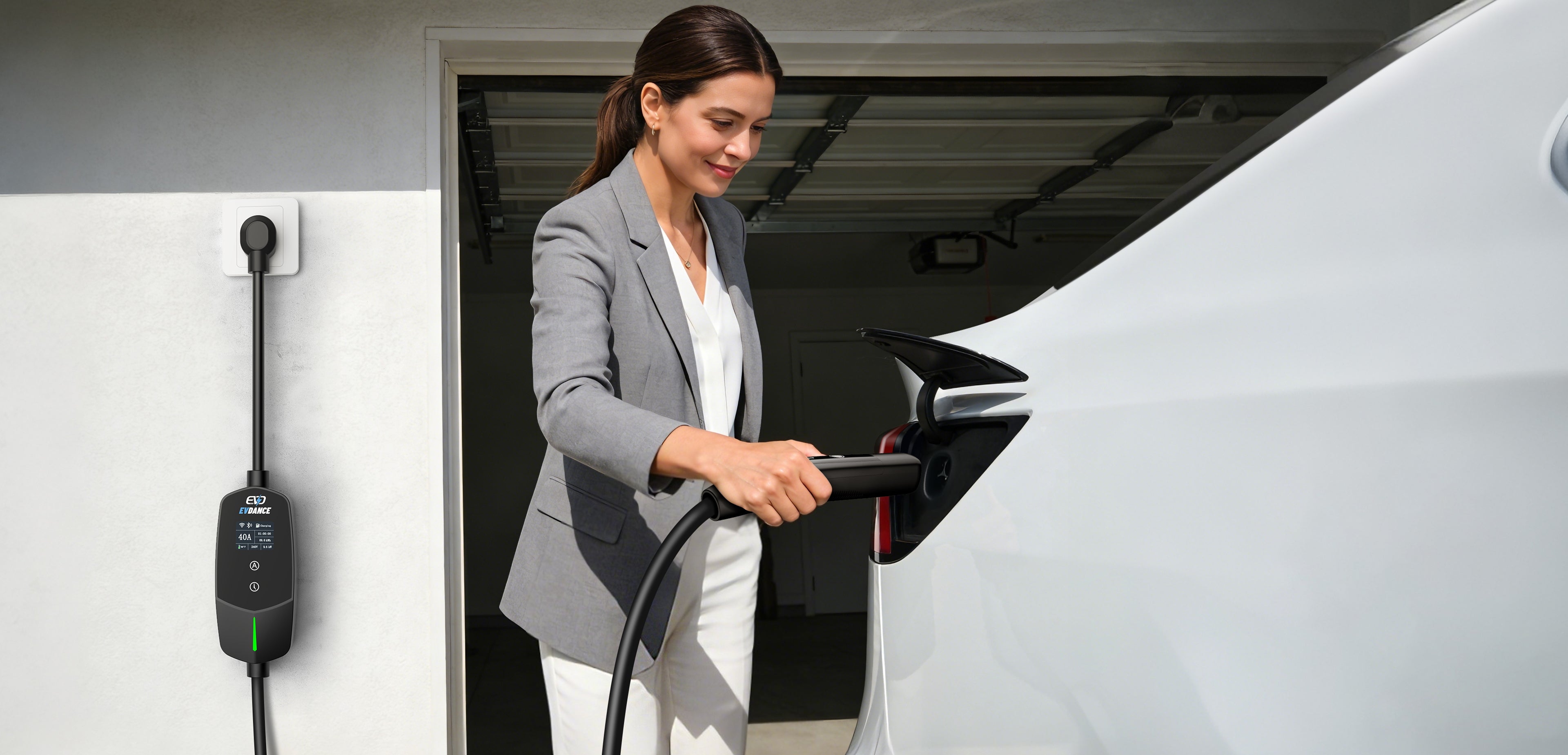
A recent JD Power study highlights that charging electric vehicles at home is becoming more expensive, reflecting broader increases in electricity costs. While fast-charging networks often receive scrutiny, home charging represents the majority of EV energy use—around 86% according to the study. As prices climb, overall satisfaction among EV owners is showing a modest decline.
The survey included 5,399 owners of EVs and plug-in hybrids from 2020 to 2026 model years, conducted between November 2025 and February 2026. Participants evaluated their experiences with charging speed, cord length, convenience, and cost. Satisfaction scores fell slightly across all charger types: Level 1 portable chargers averaged 569 points out of 1,000, down 12 points; Level 2 portable units scored 710, down four points; while installed Level 2 chargers remained relatively stable at 733.

Electricity Prices Drive Dissatisfaction
One key factor behind declining satisfaction is rising costs. On average, respondents reported spending $63 on home charging in the past month, an increase of $5 compared with the prior year. Regions with lower electricity rates, such as Colorado, reported higher satisfaction levels, whereas areas facing steep increases saw the opposite effect.
Nationwide, electricity prices rose roughly 6% from 2024 to 2025, but several states experienced much larger increases. In Ohio, rates climbed over 10%, while New Jersey reported an extraordinary 17% surge, according to the Energy Information Administration. These rising costs are increasingly influencing how EV owners perceive the value of home charging.
Cost-Saving Strategies
EV drivers can adopt strategies to reduce their home charging expenses. Off-peak charging, often scheduled between 11 p.m. and 6 a.m., can take advantage of lower utility rates. JD Power found that 38% of owners who regularly schedule charging sessions spent an average of $65 over 30 days, compared with $71 for those who never schedule, demonstrating both cost and satisfaction benefits.
Some utilities offer smart-charging programs that automatically activate charging during times of lower grid demand. While 69% of respondents were aware of these programs, only 12% were enrolled. Approximately 20% had never heard of such offerings, highlighting a gap in consumer education regarding EV charging options.
Brent Gruber, JD Power’s executive director for electric vehicles, noted, “When people schedule their charging, not only do they save money, but they also charge more consistently.”
Limitations of Incentivized Programs
Not all utility programs deliver meaningful savings. For instance, Ohio provides opt-in time-of-use rates that sometimes result in higher bills due to elevated on-peak rates, especially for households unable to shift daytime energy use. EV-specific variants could reduce these surcharges by separating household and vehicle energy consumption, but implementing them often requires a new electrical meter at the owner’s expense, which can be costly or impractical for renters.

Home Charging Remains More Affordable
Despite rising costs, home EV charging remains cheaper than public DC fast charging. In fact, powering an EV at home is significantly less expensive than filling a gasoline vehicle, especially with gas prices near $4 per gallon. For many drivers, a single full tank of gas now costs roughly the same as a month of home charging for a typical EV, reinforcing the financial advantage of charging at home.
Recommend Reading: How to Cut EV Charging Costs by 30%: Practical Strategies That Actually Work
Aktie:
New EV Market Falters While Used Electric Cars Gain Momentum