



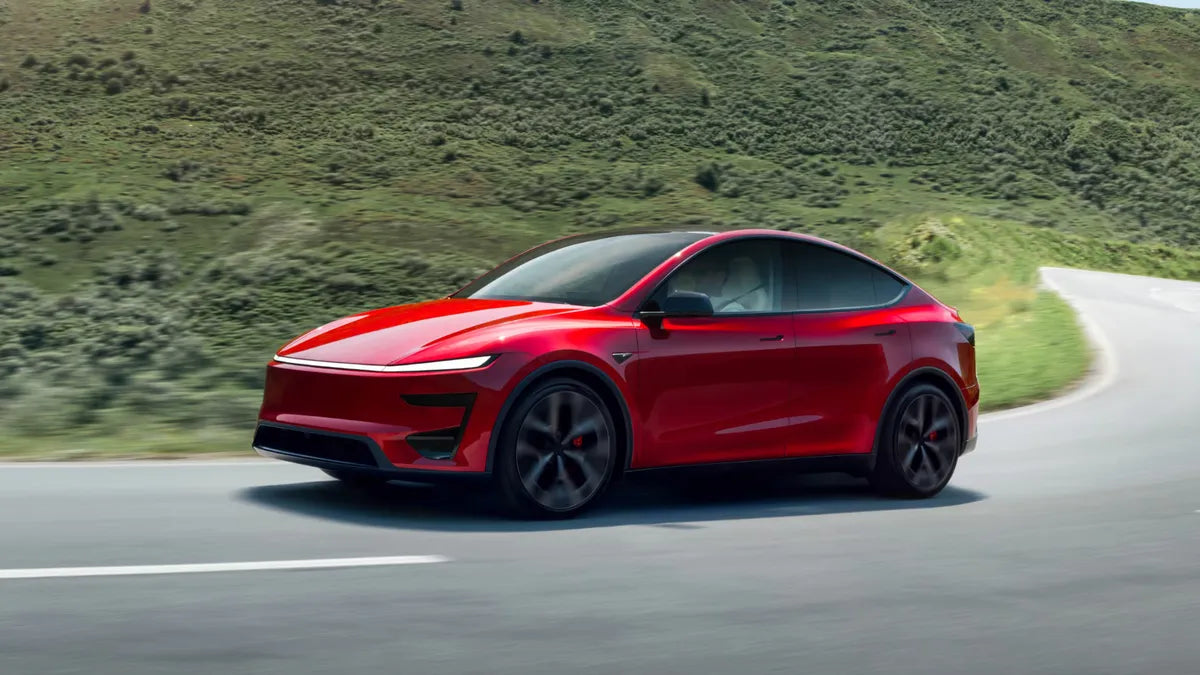
Rising Prices Push Buyers Toward Used Cars
The U.S. car market continues to feel the squeeze from high inflation, tariffs, and rising manufacturing costs. In September, the average new-vehicle transaction price surpassed $50,000 for the first time, making new cars less accessible for many households. As a result, more consumers are turning to the used market for relief—only to find that prices there have climbed as well.
Despite broader market uncertainty and a slowdown in new EV sales, used electric vehicles (EVs) are proving resilient. A recent report from Edmunds reveals that the average price of three-year-old used vehicles rose 5% year-over-year to about $31,000 in Q3 2025. However, used EVs continue to sell faster than any other powertrain, even as affordability concerns persist across the board.

Used EVs Are Selling Faster Than Gas Cars
According to Edmunds, the average used vehicle now stays on dealer lots for 41 days, compared with 37 days a year ago. But used EVs tell a very different story—they spend significantly less time waiting for buyers.
For instance, a three-year-old Tesla Model S sells in just 21.5 days, while a Toyota Corolla Hybrid takes about 29 days to move. In fact, eight of the top 20 fastest-selling three-year-old vehicles are now electric, including models from Tesla, Hyundai, Kia, Ford, and Audi.
“Three-year-old used EVs have been selling faster than gas vehicles for over a year,” said Ivan Drury, Director of Insights at Edmunds. “What’s changed is the variety—this trend now includes a wider range of EV models, not just a few early movers.”
Drury added that this surge is not driven by government incentives. While some pre-owned models qualify for a $4,000 used EV tax credit, the real motivator is cost efficiency—buyers are recognizing the long-term savings and technological advantages that used EVs provide.
Why Used EVs Offer Strong Value
In the $20,000 to $30,000 price range, used EVs deliver strong value compared to similarly priced gas cars. They typically offer lower maintenance costs, instant torque, and quiet driving experiences, along with access to the expanding U.S. fast-charging network. Many of these vehicles have low mileage and advanced tech, often just one generation behind current models.
Below is a breakdown of Edmunds’ Q3 2025 data on the fastest-selling three-year-old vehicles in the U.S.:
| Vehicle | Days on Lot | 3-Year Price | Original MSRP |
|---|---|---|---|
| Tesla Model S | 21.5 | $44,621 | $115,356 |
| Tesla Model 3 | 24 | $24,447 | $57,009 |
| Cadillac CT5 | 25.8 | $31,549 | $52,179 |
| Tesla Model Y | 26.3 | $27,624 | $69,017 |
| Lexus NX 350h | 26.9 | $40,575 | $49,520 |
| Lexus NX 250 | 27.5 | $32,161 | $42,308 |
| Lexus RX 350L | 28.7 | $39,773 | $59,049 |
| Toyota Corolla Hybrid | 28.9 | $20,238 | $26,823 |
| Kia Rio | 29.5 | $14,203 | $18,912 |
| Lexus NX 350 | 29.6 | $36,573 | $49,895 |
| Hyundai Ioniq 5 | 29.7 | $23,964 | $50,660 |
| Volkswagen ID.4 | 30.9 | $23,145 | $49,071 |
| Toyota GR Supra | 31 | $50,322 | $57,796 |
| Honda Accord | 31.3 | $24,895 | $32,096 |
| Audi Q8 e-tron | 31.7 | $28,322 | $77,342 |
| Honda Passport | 31.9 | $31,446 | $43,855 |
| Kia EV6 | 32 | $24,447 | $54,167 |
| Ford Mustang Mach-E | 32.4 | $26,920 | $57,018 |
| Toyota Corolla Cross | 32.7 | $23,902 | $28,245 |
The Tesla Model S, 3, and Y dominate this list, each selling in less than 27 days on average. Even after steep depreciation, they retain strong appeal—offering high-tech interiors and EV performance for less than half their original price.

Supply Is Tight, But Demand Keeps Growing
While used EVs are hot sellers, they’re also in short supply. Three-year-old EVs account for only 1.6% of all three-year-old vehicles in the U.S. market. The shortage stems from the relatively recent growth in EV adoption—meaning the pool of used EVs remains small.
As more EV leases from 2022–2023 expire, analysts expect used EV inventory to rise in 2026 and 2027. That’s good news for buyers hoping to find affordable electric models in the coming years.
Drury believes this momentum will continue:
“Consumers shopping for new EVs are often caught waiting for monthly price adjustments, but used EVs offer more stability—you know what you’re getting.”
What’s Next for EV Shoppers
The new EV landscape is evolving rapidly, with better range, faster charging, and more competitive pricing on the horizon. However, production challenges still loom. Nissan has cut Leaf production by more than half this year due to battery shortages, and GM’s next Chevy Bolt will be a limited run, reducing the availability of affordable new EVs.
That makes the used EV market a vital bridge for buyers seeking affordable electrification. Lightly used models like the Tesla Model 3, Hyundai Ioniq 5, and Ford Mustang Mach-E deliver strong performance and modern tech at accessible prices.
For now, pre-owned EVs remain the most practical path into electric driving, offering real savings without compromising on technology or capability.
Recommend Reading: Used BMW iXs Are a Hidden Luxury EV Bargain

Aktie:
Global EV Battery Boom Turns to Glut as Demand Slows
Why Some Plug-In Hybrids Keep Their Battery Health Far Better Than Others