




Consumer opinions about electric vehicles in the United States are often assumed to reflect product quality, technology leadership, or real-world performance. A new survey suggests otherwise. According to the January 2026 Electric Vehicle Intelligence Report, American consumers continue to judge EV brands largely through the lens of legacy gasoline-era reputations rather than current EV capabilities.

Survey Results Reveal a Familiar Pattern
The report measured favorability and trust across EV and autonomous vehicle brands, asking respondents whether they held positive or negative views of each company. The results followed a pattern seen in many previous studies: Toyota and Honda ranked at the top, while Tesla landed at the bottom.
At first glance, the ranking appears counterintuitive. Toyota and Honda are widely respected brands, but neither currently leads the U.S. EV market. Meanwhile, Tesla remains the world’s most influential EV manufacturer by sales volume, technology adoption, and infrastructure footprint.
Legacy Brands Benefit From Past Success
Toyota and Honda earned their reputations through decades of reliability and strong hybrid programs. That history appears to be carrying significant weight with consumers. Many buyers seem to assume that success in hybrids automatically translates into EV leadership, even though the two technologies differ substantially.
In reality, Toyota’s only long-range EV until recently, the bZ4X, launched to critical disappointment and lacked features considered standard in the segment. While the company has improved the model for 2026 and announced additional EVs, it remains behind early movers in the category.
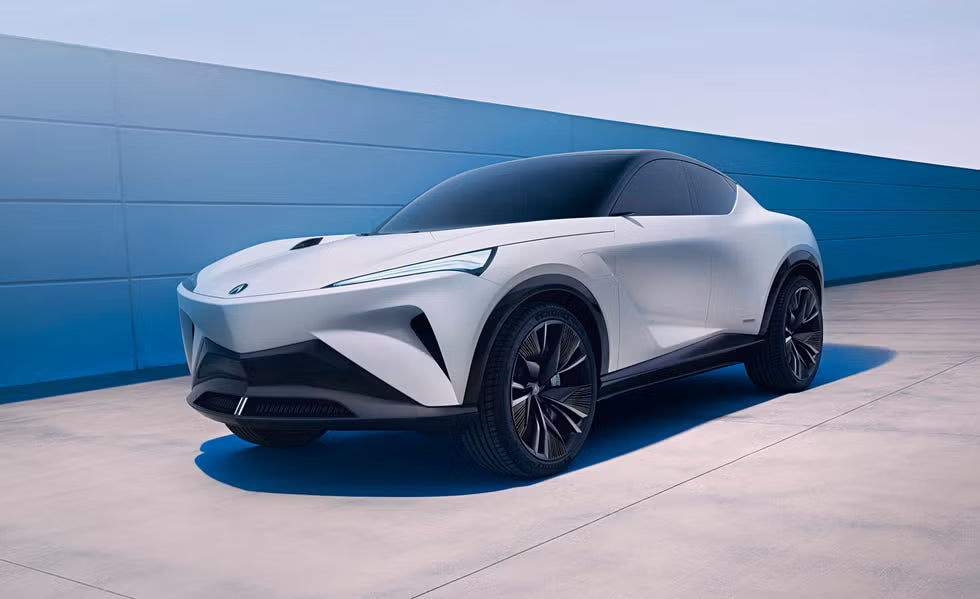
Honda’s position is even more limited. The company has not yet launched a ground-up, long-range EV of its own in the U.S. market. Its only offerings so far—the Honda Prologue and Acura ZDX—were developed in partnership with General Motors. The ZDX has already been discontinued, highlighting the fragility of Honda’s first EV effort.
Tesla’s Ranking Reflects Brand Sentiment, Not EV Capability
Despite effectively defining the modern EV market, Tesla received the only net-negative favorability score in the survey. This result is difficult to reconcile with the company’s continued dominance in EV sales, charging infrastructure, and software-driven vehicle features.
The data suggests that Tesla’s ranking is influenced less by its products and more by broader perceptions of the brand. Public sentiment toward CEO Elon Musk appears to be weighing heavily on consumer opinion, blurring the line between corporate leadership and technological merit.
EV Specialists Also Undervalued
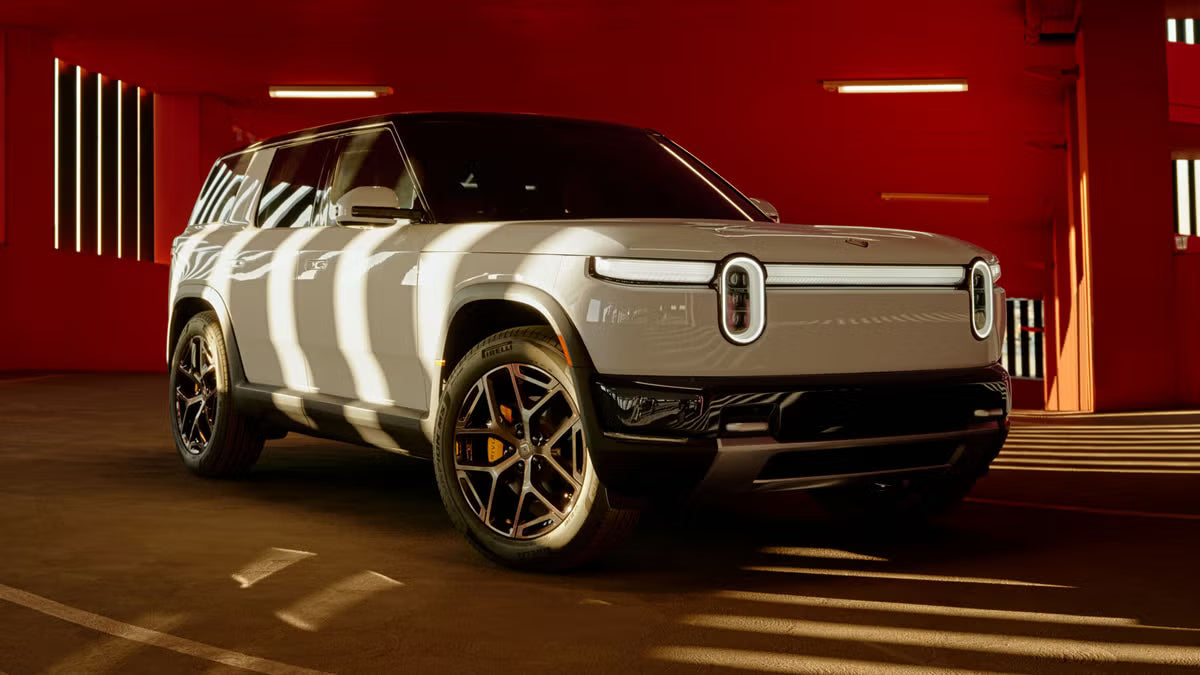
Perhaps more surprising than Tesla’s position is the weak performance of newer EV-focused brands. Lucid and Rivian ranked below nearly all mainstream automakers, despite producing some of the most advanced electric vehicles available in the U.S.
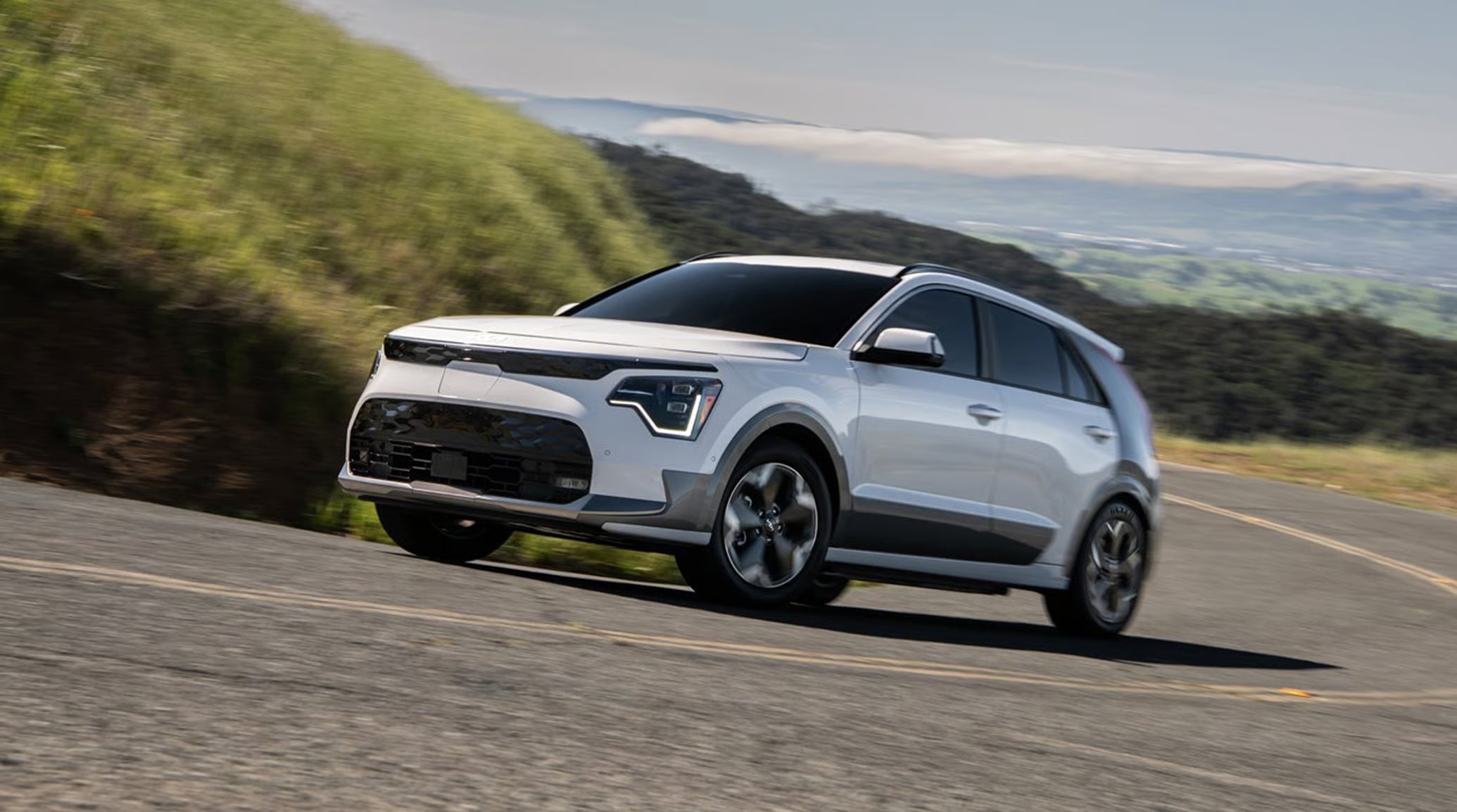
Similarly, Kia and Hyundai—widely praised for their EV platforms—trail competitors with less competitive electric offerings. These results point to a broader issue: consumers tend to rely on long-standing brand familiarity rather than up-to-date product knowledge when evaluating EVs.
Why Perception Lags Behind Product Reality
For most buyers, cars are not a constant area of attention. Consumers typically engage with the auto market only when replacing a vehicle, and even then, research is often limited. As a result, brand perception tends to lag years behind actual product development.
Toyota and Honda’s dominance in hybrids created an expectation of leadership that has not yet materialized in EVs. By contrast, brands that invested early and aggressively in electrification are still waiting for public perception to catch up.

What This Means for the EV Market
The survey highlights a key risk for automakers: brand trust can provide a buffer, but only temporarily. Companies that delay serious EV investment may benefit from goodwill today, but that advantage will erode as consumers gain firsthand experience with electric vehicles.
Over time, product performance, charging experience, and real-world ownership costs are likely to matter more than legacy reputation. The brands that align perception with reality will be best positioned for the next phase of the EV transition.
Recommend Reading: Electric Vehicles vs. Gas Vehicles Cost Comparison
Partager:
Study Finds Electric Vehicles Are Already Reducing Urban Air Pollution
CATL's New 5C Battery: Ultra-Fast Charging Without Early Degradation