





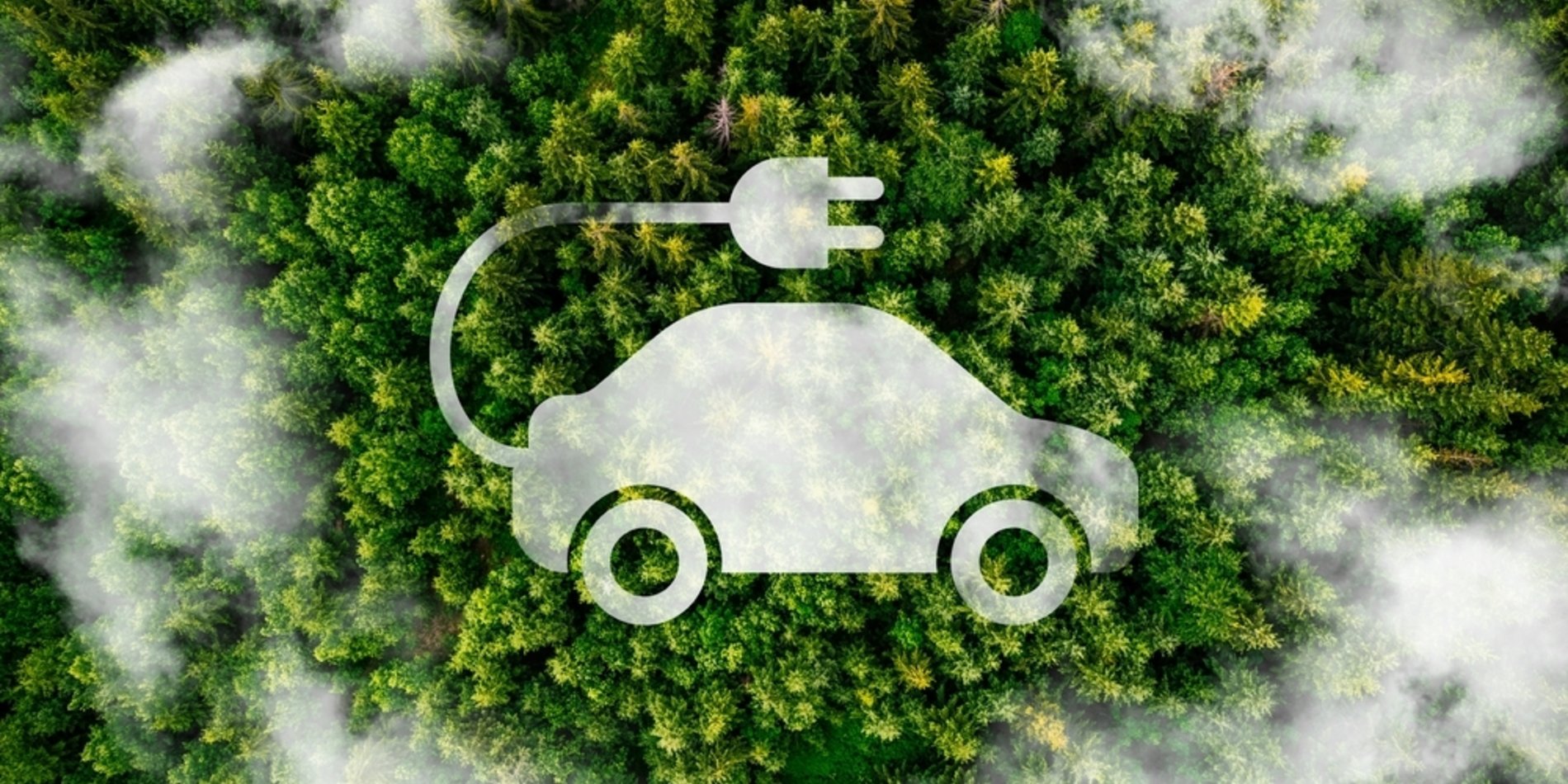
Electric vehicles are often described as a long-term solution to climate change. A new study suggests their benefits are no longer theoretical. Electric and other zero-emission vehicles are already delivering measurable improvements in local air quality, according to newly published research based on satellite observations across California.

Satellite Data Offers a Clearer Picture
Researchers from the University of Southern California’s Keck School of Medicine used high-resolution satellite data to assess how vehicle electrification affects air pollution at the neighborhood level. The study, published in The Lancet Planetary Health, relied on data from the Tropospheric Monitoring Instrument (TROPOMI), which tracks nitrogen dioxide (NO₂) concentrations by analyzing how sunlight interacts with gases in the atmosphere.
Using this approach, the research team calculated annual average NO₂ levels for individual California neighborhoods between 2019 and 2023, creating one of the most detailed maps to date of how traffic-related pollution changes over time.
Linking Vehicle Registrations to Air Quality
To connect air quality data with real-world transportation trends, the researchers combined satellite measurements with California Department of Motor Vehicles registration records. These records detailed how many zero-emission vehicles (ZEVs) were registered in each neighborhood during the study period.
For the purposes of the analysis, ZEVs included battery-electric vehicles, plug-in hybrids, and hydrogen fuel-cell vehicles. This allowed the researchers to assess the cumulative impact of multiple electrified powertrain types rather than focusing solely on fully electric cars.
Why Nitrogen Dioxide Matters
Nitrogen dioxide is a harmful pollutant produced when fossil fuels are burned, particularly by internal combustion engines. Exposure to NO₂ is linked to asthma attacks, respiratory infections, cardiovascular disease, and increased stroke risk. In dense urban environments, the gas often lingers close to ground level, where people live and breathe.
Reducing NO₂ levels is therefore a critical public health goal, especially in neighborhoods with heavy traffic and long-standing air quality challenges.
The Measured Impact of Zero-Emission Vehicles
The results were clear and statistically significant. For every 200 additional zero-emission vehicles registered in a neighborhood, average NO₂ levels fell by 1.1%. Across California, a typical neighborhood added 272 ZEVs during the study window, with some areas seeing increases as small as 18 vehicles and others adding more than 800.
Over the same period, ZEVs grew from 2% to 5% of all light-duty vehicles statewide, a relatively modest increase that nevertheless produced detectable improvements in air quality.
“These findings show that cleaner air isn’t just a future promise—it’s already happening,” said Dr. Sandrah Eckel, the study’s lead author and an associate professor at USC. She noted that the improvements were observed even though California is still early in its transition away from combustion vehicles.
How Researchers Tested the Results
To ensure the findings were robust, the research team applied multiple validation steps. Data from 2020 was excluded entirely to avoid distortions caused by pandemic-related travel reductions. The team also confirmed that neighborhoods registering more gasoline-powered vehicles experienced higher NO₂ levels, reinforcing the link between tailpipe emissions and local pollution.
Additionally, the satellite-based findings were replicated using ground-level air monitoring data from 2012 to 2023, strengthening confidence in the results.
“We tested our analysis in many different ways,” said Dr. Erika Garcia, senior author of the study. “The conclusions consistently supported the same outcome.”

What This Means for Cities and Drivers
The study provides concrete evidence that vehicle electrification delivers immediate local health benefits, not just long-term climate gains. For residents of congested urban areas, cleaner air can translate into fewer respiratory issues and improved quality of life.
As EV adoption continues to grow, the researchers expect these benefits to compound, particularly in communities historically burdened by traffic pollution.
Recommend Reading: Study Shows Electric Vehicles Reduce Brake Dust Pollution by 83%, Offering Cleaner Air Beyond Tailpipe Emissions










Share:
Volkswagen Issues ID.4 Battery Recall as Fire Risk Prompts New Charging Guidance
EV Brand Perception in the U.S. Is Still Shaped by Gas-Car History, Not Reality