





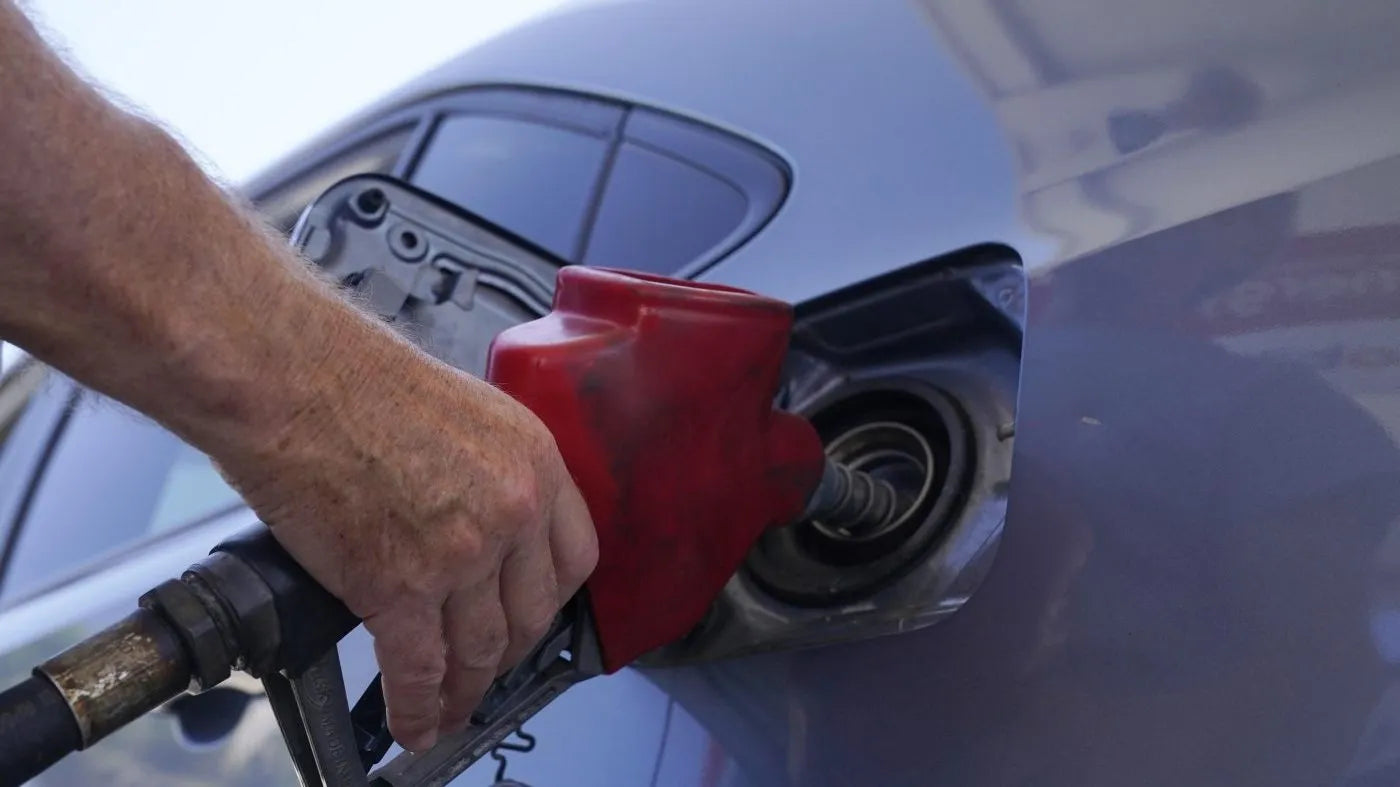
Oil Market Turmoil and Its Immediate Effects
Escalating tensions in Iran have unsettled global energy markets, pushing crude prices higher and raising concerns about further supply disruptions. As fuel costs react quickly to these shifts, drivers of conventional vehicles are among the first to feel the impact.
Because gasoline prices are closely tied to crude oil, even short-term instability can translate into noticeable increases at the pump. This creates a direct financial burden for motorists relying on internal combustion engines.

Study Highlights Cost Gap Between EVs and Gas Cars
A recent analysis by Transport & Environment examines how such price shocks affect different types of vehicles. The findings suggest a substantial disparity in operating costs when oil prices remain elevated.
According to the study, if oil exceeds $100 per barrel, the expense of driving a gasoline-powered car in Europe could rise to approximately €14.20 per 100 kilometers, reflecting an increase of €3.80. By contrast, electric vehicles would see a much smaller change, with costs reaching about €6.50, up only €0.70 for the same distance.
This indicates that drivers of fuel-powered cars may face around five times greater cost increases compared to EV owners under similar conditions.
Why Electricity Prices Are Less Volatile
One key reason behind this difference lies in how electricity pricing works. Unlike gasoline, which closely tracks oil markets, electricity is generated from a mix of sources, including renewables, nuclear, and natural gas.
While higher oil prices can indirectly influence electricity costs, the effect is generally less pronounced. Power prices tend to move more gradually, providing a degree of insulation from sudden spikes.
Additionally, the growing share of renewable energy—such as wind and solar—reduces dependence on fossil fuels. This diversification helps stabilize energy costs for EV users over time.
Broader Implications for Energy Security
The advantage of electric vehicles extends beyond individual savings. Reduced reliance on imported oil can strengthen regional energy security, particularly in Europe where external supply plays a major role.
Data from the same report shows that the European Union imported roughly 1 billion barrels of oil for passenger cars in a single year, costing about €67 billion. However, the presence of more than 8 million electric vehicles helped avoid the use of around 46 million barrels, saving an estimated €2.9 billion.
These figures highlight how increasing EV adoption can mitigate the economic impact of volatile fossil fuel markets.
Market Trends and Policy Context
Despite fluctuations in global EV demand, Europe continues to see growth in electric vehicle adoption. Recent data indicates that regional sales are still expanding, even as other markets experience temporary slowdowns.
At the policy level, the European Union has set long-term goals to reduce emissions from transportation. Although earlier plans to fully phase out combustion-engine car sales by 2035 have been adjusted, the overall direction toward electrification remains intact.

Long-Term Outlook for Drivers
From a consumer perspective, the choice between gasoline and electric vehicles increasingly involves considerations beyond environmental impact. Cost stability is becoming a central factor, particularly during periods of geopolitical uncertainty.
Experts argue that electrification offers a structural advantage by reducing exposure to oil price swings. As energy systems incorporate more renewables, this gap may widen further.
Ultimately, while both vehicle types are affected by broader energy trends, current evidence suggests that EV owners are better shielded from sudden increases in fuel-related expenses.
Recommend Reading: Gas Price Spike Drives More Americans to Research EVs












Share:
Lucid Cosmos vs Rivian R2: charging speed and efficiency compared
Rivian R2 Global Launch: How a Unified 5G System Cuts Costs