



Small Component, Measurable Impact
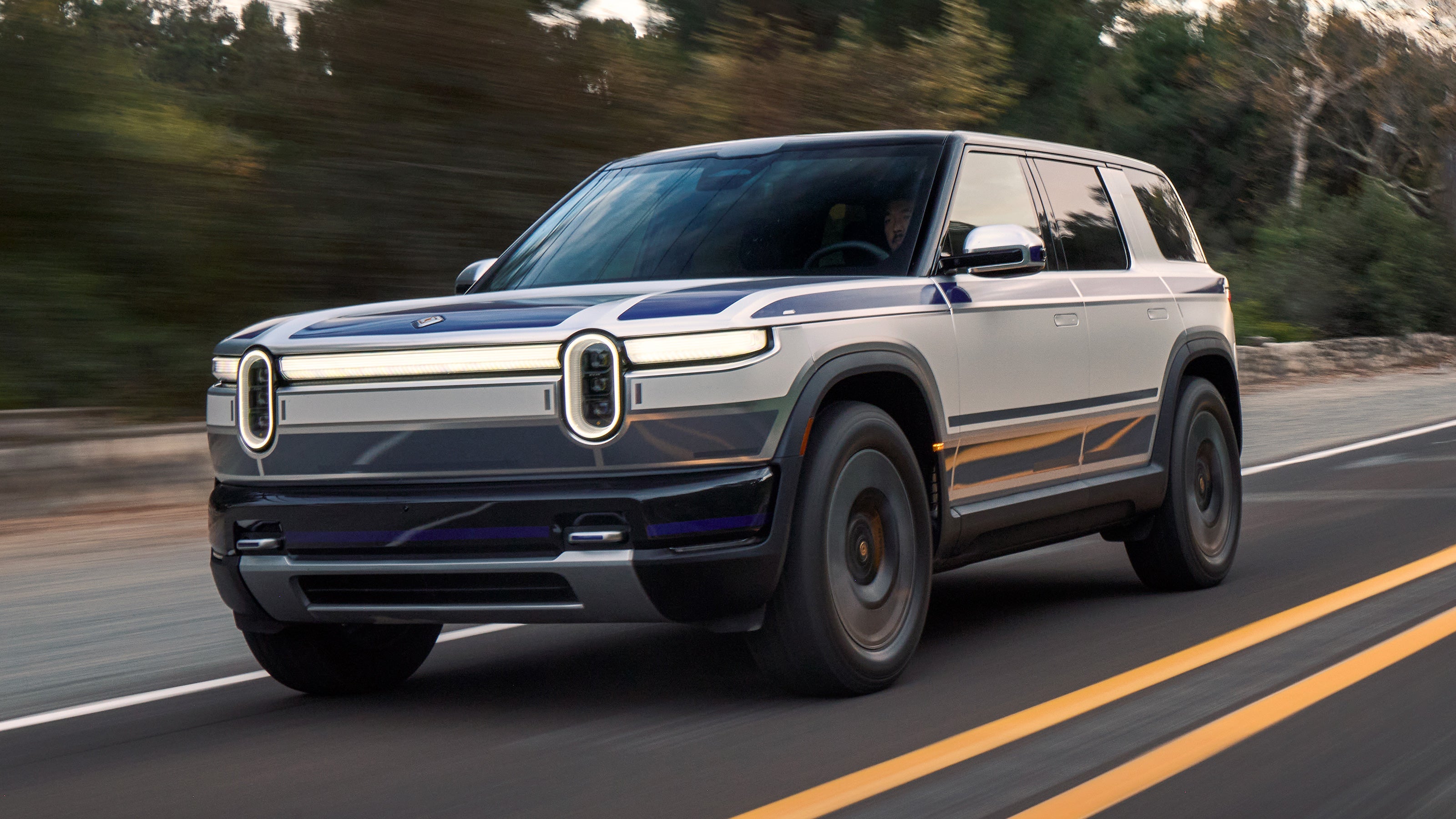
Electric vehicle development often focuses on battery size and motor output, but efficiency gains sometimes come from far less obvious places. In the case of the upcoming Rivian R2 SUV, engineers claim they recovered six additional miles of driving range through an unexpected source: the positioning of the rear window wiper.
While six miles may appear marginal, in the competitive EV landscape every incremental improvement matters. According to Rivian’s engineering team, careful aerodynamic refinement—even involving minor exterior elements—played a measurable role in extending the R2’s projected range.

A Design Constraint With Multiple Demands
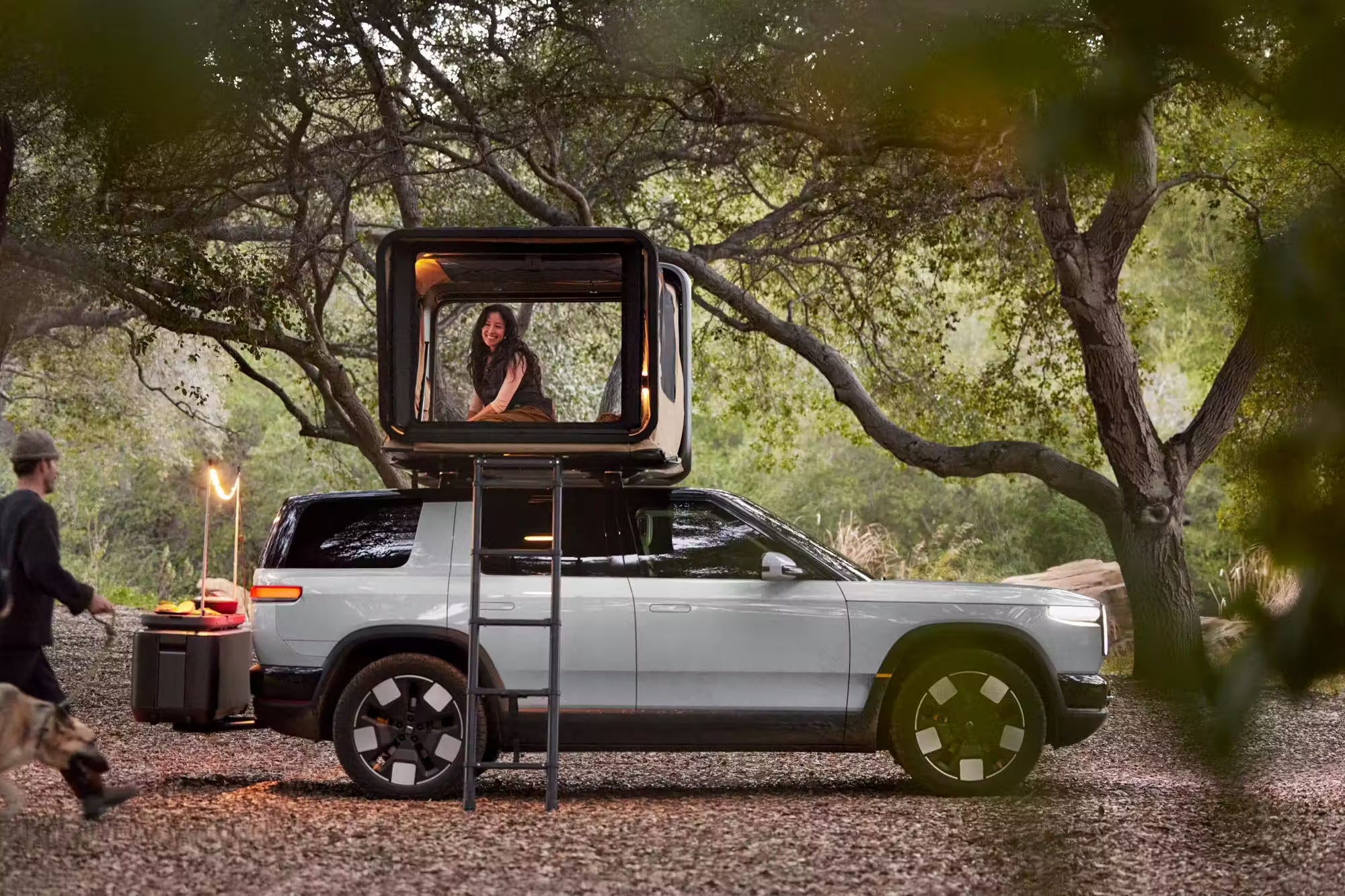
The R2 was designed with a rear window that can lower, a feature intended to enhance versatility for outdoor-oriented buyers. Owners may use the opening to carry longer items such as surfboards or other gear extending slightly beyond the cargo area.
Integrating a rear wiper into that configuration presented challenges. Mounting the mechanism inside a roof spoiler, a common industry approach, was not feasible due to space limitations. Attaching it directly to the body posed functional concerns, particularly when loading equipment through the open window.
At the same time, eliminating the wiper altogether was not considered acceptable. Several electric crossovers on the market launched without rear wipers, a decision that drew criticism from drivers who value clear rear visibility in rain and snow.
Rivian sought a solution that preserved both practicality and efficiency.
Aerodynamics Beneath a Boxy Shape
Although the R2’s silhouette appears upright and squared-off, Rivian’s design team incorporated subtle airflow optimization into the roofline. The rear section tapers in a way that guides air smoothly beneath the spoiler. Disturbing that shape—even slightly—would introduce drag.
Placing the wiper assembly at the top of the glass would have interfered with this carefully tuned airflow. Company engineers evaluated that option using computational fluid dynamics simulations and physical wind tunnel testing. The results indicated that an exposed wiper in the upper position would compromise efficiency.
As Jeff Hammoud, Rivian’s design chief, emphasized during a prototype event, aerodynamic performance remained a priority despite the SUV’s rugged appearance. Even vehicles with more upright styling benefit significantly from minimizing airflow disruption.
The Recessed Pocket Solution
The final approach was unconventional. Rivian created a compact recessed compartment below the rear glass where the wiper arm and motor can retract when not in use. By concealing the assembly within this cavity, the exterior surface remains clean, reducing drag.
According to Rivian, relocating the hardware into this sheltered space contributed to a six-mile increase in total estimated range compared with a traditional exposed configuration.
For a battery-electric vehicle, where efficiency directly translates into driving distance, that gain represents meaningful engineering progress achieved without enlarging the battery pack.
Weather-Proofing and Practical Considerations
Designing a hidden compartment introduced additional technical hurdles. Water accumulation, ice buildup, and debris intrusion could potentially impair functionality.
To address those risks, the recessed area includes a concealed drainage channel that directs water away from the housing. The system also incorporates a heating element to prevent freezing during winter conditions.
In addition, Rivian implemented software controls that can automatically reposition the wiper in anticipation of adverse weather. By lifting the arm out of its storage location when needed, the system ensures normal operation without compromising aerodynamic benefits during dry conditions.
Engineering Philosophy in Focus
The rear wiper may appear insignificant in isolation, but it illustrates a broader development strategy behind the R2. Rather than treating minor components as afterthoughts, Rivian applied detailed simulation tools and physical testing to optimize even small exterior elements.
Such attention to detail underscores how modern EV development extends beyond battery chemistry and motor design. As competition intensifies, manufacturers increasingly pursue incremental gains across dozens of systems to achieve meaningful cumulative improvements.
The R2’s wiper solution highlights that efficiency gains do not always require radical innovation. Sometimes, careful packaging and airflow management can deliver tangible results.

Looking Ahead
The R2 is expected to play a central role in Rivian’s expansion into a more affordable segment of the electric SUV market. Features that combine utility, efficiency, and thoughtful design could help distinguish it from rivals.
If Rivian’s calculations hold in real-world driving, a subtle modification in wiper placement will have translated into six extra miles of range—a reminder that in electric vehicle engineering, even small decisions can carry measurable consequences.
Recommend Reading: Rivian R2 First Drive Review: Size, Speed and Strategy
Partager:
2027 Toyota Highlander EV Adds Bidirectional Charging
Rivian Plans 20,000–25,000 R2 Deliveries in 2026