





Federal Review Concludes Without Action
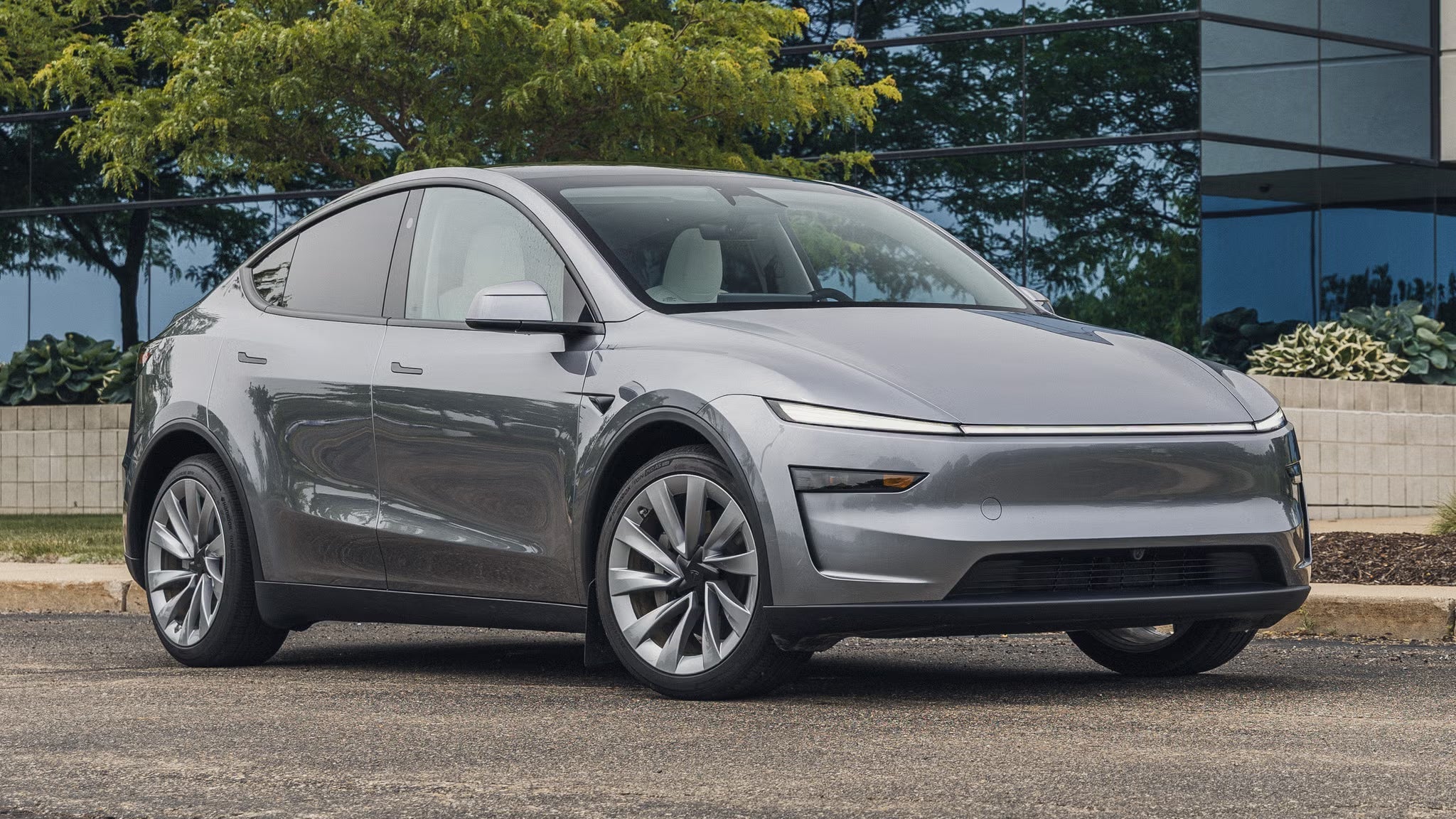
A recent decision by the National Highway Traffic Safety Administration (NHTSA) has brought clarity to concerns surrounding one-pedal driving in electric vehicles. After examining a formal complaint, the agency determined that the feature does not present a safety defect, effectively closing the case without requiring corrective measures.
This outcome means that more than 2 million vehicles produced since 2013 will not be subject to recall on this basis. The ruling removes regulatory pressure that could have forced design changes across multiple EV models.

Understanding the Technology Behind It
One-pedal driving is a defining characteristic of many electric vehicles. Instead of relying heavily on traditional braking systems, the vehicle slows down when the driver lifts off the accelerator. This process uses regenerative braking, which converts kinetic energy into electricity and feeds it back into the battery.
The system reduces reliance on friction brakes and can bring the car to a full stop in many scenarios. While efficient, it requires drivers to adapt, especially those accustomed to conventional internal combustion engine vehicles.
Origin of the Investigation
The review was triggered by a petition filed in March 2023, raising concerns about possible driver confusion. Specifically, the complaint focused on pedal misapplication, a situation where a driver unintentionally presses the accelerator instead of the brake.
This issue has been debated for years, often linked to claims of unintended acceleration. Critics suggested that one-pedal driving might contribute to such incidents by changing how drivers interact with vehicle controls.
Findings Based on Vehicle Data
After analyzing reported incidents, regulators found limited evidence supporting the claim that the feature creates a systemic risk. Only a small number of crashes were associated with the concern, and data logs indicated that the vehicles behaved as expected in those cases.
According to the agency’s findings, when acceleration occurred, it was consistent with the driver pressing the pedal. In other words, the systems functioned properly, responding directly to user input rather than acting independently.

Not a Tesla-Only Feature
Although the investigation involved Tesla, federal officials emphasized that one-pedal driving is widely adopted across the EV industry. Many manufacturers offer similar functionality, often allowing drivers to enable or disable it depending on preference.
By highlighting its broader use, regulators reinforced the idea that the feature is not unique to any single brand, nor inherently problematic when implemented correctly.
No New Requirements Imposed
With the petition denied, NHTSA will not introduce additional rules related to the feature. Proposed measures—such as requiring drivers to press a brake pedal to bring the vehicle to a complete stop—will not move forward.
This decision preserves current design approaches, leaving automakers free to continue offering one-pedal driving as an optional system.
Broader Implications for the Industry
While the outcome removes one regulatory concern, it does not mean all scrutiny has ended. Tesla still faces multiple ongoing investigations covering other areas, including control systems and mechanical components.
However, in this specific case, the ruling is significant for the broader EV market. One-pedal driving has become a widely appreciated feature for its convenience and efficiency. By confirming that it does not constitute a safety defect, regulators have effectively supported its continued use.
For consumers, the decision underscores the importance of understanding how different driving modes function. For manufacturers, it reinforces that innovation in vehicle control systems can continue—provided that safety performance remains consistent with driver input.
Recommend Reading: Tesla Profits Slide as the Company Doubles Down on AI and Robotics

Share:
Why Jay Leno Thinks Tesla Semi’s Key Edge Is Operating Cost
Toyota to Build Another EV in Kentucky With $800M Investment