





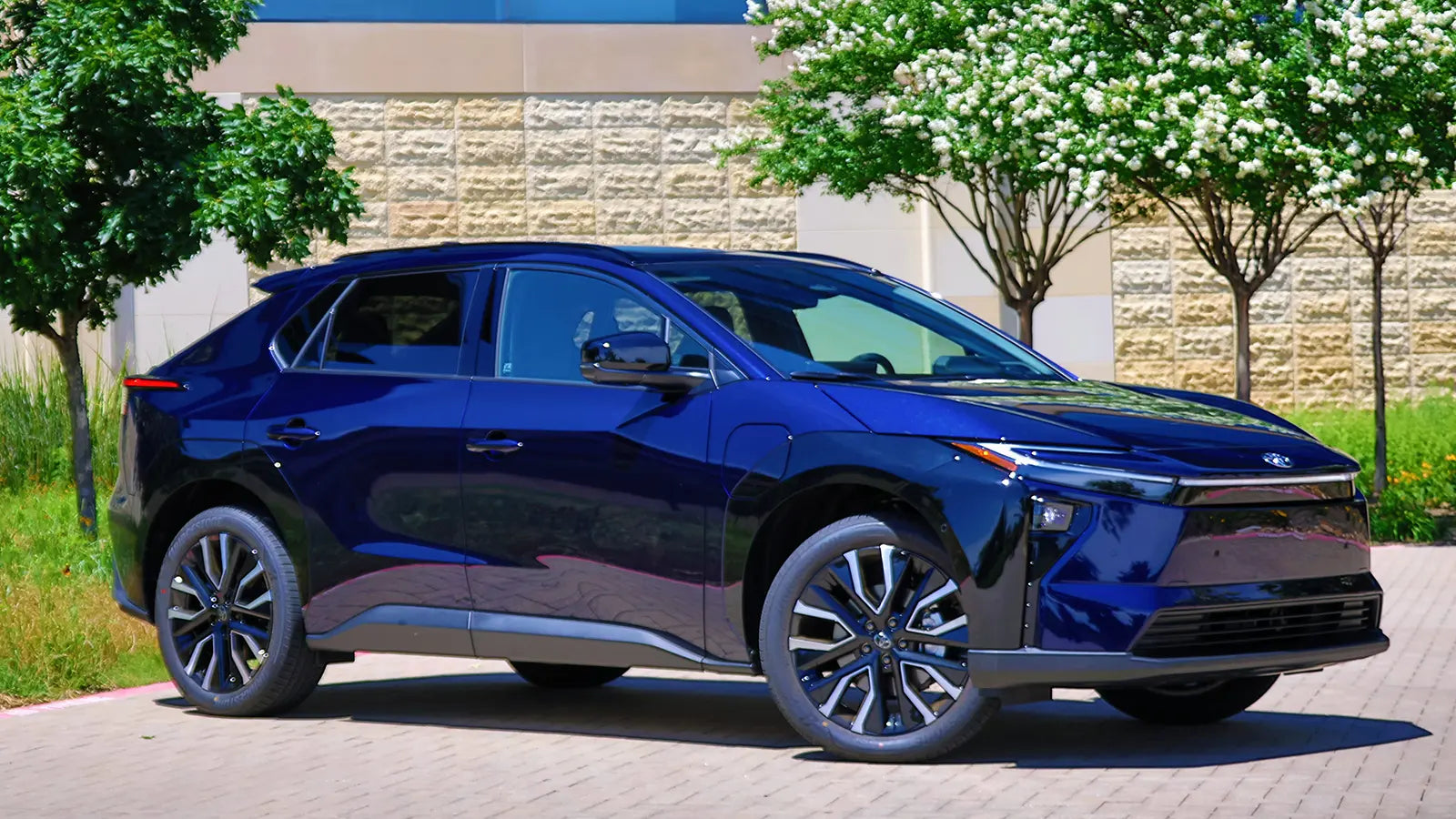
Late-Model Used Cars Are Dropping Fast
Conventional advice suggests buying a vehicle after a three-year lease cycle to capture the steepest depreciation. However, recent market data indicates that buyers may not need to wait that long—especially in the electric segment.
According to research from Edmunds, transactions involving lightly used 2025 model-year vehicles in the fourth quarter of last year averaged $6,370 less than their original new-car purchase prices. That gap is notable for any vehicle category, but it widens considerably for battery-electric and plug-in hybrid models.
In short, depreciation is arriving earlier than many shoppers expect.
EVs and PHEVs Lead the Price Gap
The largest price differences are concentrated among electrified vehicles. For example, nearly new Dodge Charger Daytona models sold for an average of $19,711 less than comparable new versions during the same period. The Jeep Wrangler 4xe followed closely, with used buyers paying about $19,873 less.
Among luxury EVs, the Genesis GV70 Electrified posted one of the most dramatic spreads. Lightly driven units changed hands at approximately $24,012 below their new-car transaction prices. For shoppers focused on mainstream options, discounts have also appeared on models such as the Toyota bZ4X, Chevrolet Equinox EV, and Honda Prologue.
In practical terms, buyers who choose a car with minimal mileage—often less than a year old—can avoid paying a substantial premium for what is essentially the same vehicle.

Why Depreciation Is Accelerating
Several market dynamics are contributing to these price shifts.
First, manufacturers have leaned heavily on incentives and promotional financing to move new inventory. When automakers reduce sticker prices or introduce special deals, pre-owned vehicles must adjust downward to remain competitive.
Second, many 2025 EVs were originally sold with a $7,500 federal tax credit that expired at the end of the third quarter. Once that incentive disappeared, effective transaction prices for new vehicles increased. Used pricing, however, continued to reflect weaker demand and higher supply.
Third, consumer hesitation around charging access and long-term battery durability has softened resale values. Although modern battery packs are generally designed for longevity, skepticism still influences buyer behavior.
Combined, these factors have produced unusually large early-life depreciation.
The Financing Trade-Off
Lower purchase prices do not tell the entire story. Interest rates often favor new vehicles, partially offsetting savings on the used market.
Automakers frequently offer subsidized loans through their in-house finance divisions. By contrast, loans for pre-owned vehicles typically carry higher rates. Data compiled by Experian and reported by U.S. News & World Report shows that borrowers with top-tier credit scores—above 781—are currently paying around 4.88% on new-car loans. Comparable used-car financing averages roughly 7.43%.
Consider a five-year loan on a $40,000 vehicle with $10,000 down. The interest rate difference alone can amount to about $2,139 over the life of the loan. While meaningful, that figure remains smaller than the price reductions seen on many late-model EVs.
For buyers who qualify for promotional financing, the calculation becomes more nuanced. Even so, in numerous cases, the depreciation gap outweighs the financing disadvantage.
Market Conditions May Not Last
The current environment favors shoppers willing to consider nearly new EVs. With federal incentives no longer broadly available and supply continuing to normalize, new-vehicle pricing has firmed up in some areas. Meanwhile, lingering doubts about charging infrastructure and battery health continue to pressure resale values.
That imbalance may narrow over time. As public charging networks expand and long-term battery performance data accumulates, confidence in used EVs could improve. If that happens, depreciation curves may stabilize.
For now, though, buyers seeking value in the electric space are often finding it outside the showroom.

Practical Considerations for Buyers
Before committing to a nearly new EV, prospective owners should evaluate charging access at home or work. Electricity rates, insurance costs and warranty coverage also factor into the total cost of ownership. Many manufacturers provide transferable battery warranties that extend several years, which can mitigate risk concerns.
Ultimately, the decision comes down to balancing upfront savings against financing terms and personal usage patterns. In the current market, lightly used electric vehicles present a compelling financial case—sometimes delivering five-figure discounts with only modest mileage.
For consumers open to buying a vehicle that is one model year old, the numbers suggest the opportunity is real.
Recommend Reading: How Long Do Used EV Batteries Really Last? New Data Explained










Partager:
How Uber Is Partnering to Compete in the Robotaxi Market
How Waymo’s Robotaxi Growth Compares With Tesla in 2026